




Renault Water Pumps
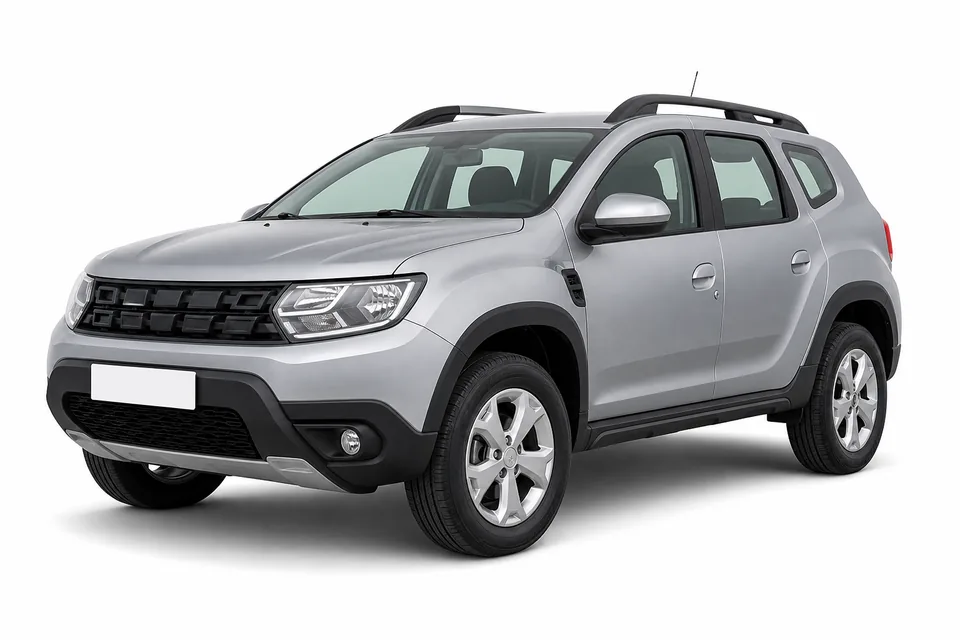
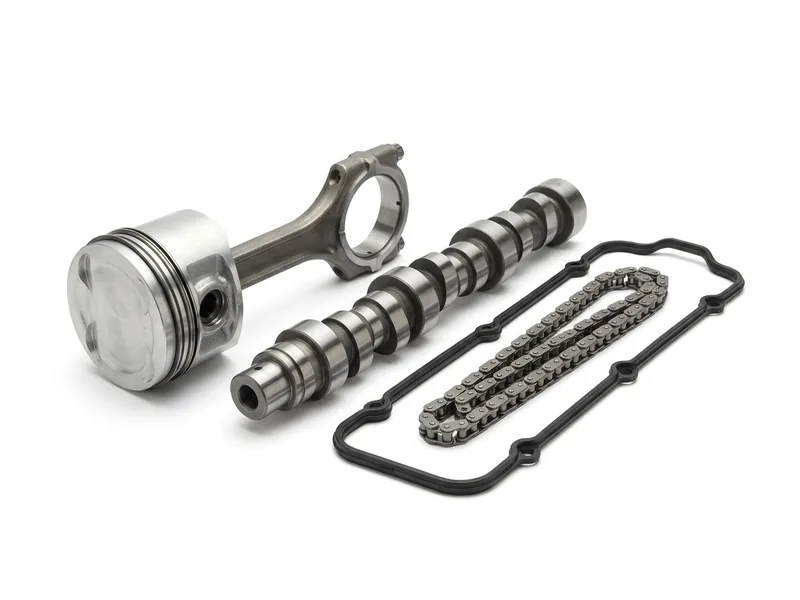
Belt or chain decides how big this job is, and the Renault range splits both ways. The 1.5 dCi is a cambelt engine — cars.co.za puts the second-generation Duster diesel's belt change at four years or 90 000 km — while the 0.9 and 1.0 three-cylinder petrols run chains. On a belt engine, doing the pump at the same time as the belt is usually the sensible call. Ask us which yours is.
- Trade counter at 89 Chris Hani Road, Briardene
- Collect from the counter, or courier with the carriage in the quote
- Price, condition and fitment settled on a written quote
Water Pumps, explained
The first question on a water pump is not which one fits. It is whether your engine is a belt engine or a chain engine, because that single fact decides whether this is a moderate job or a substantial one.
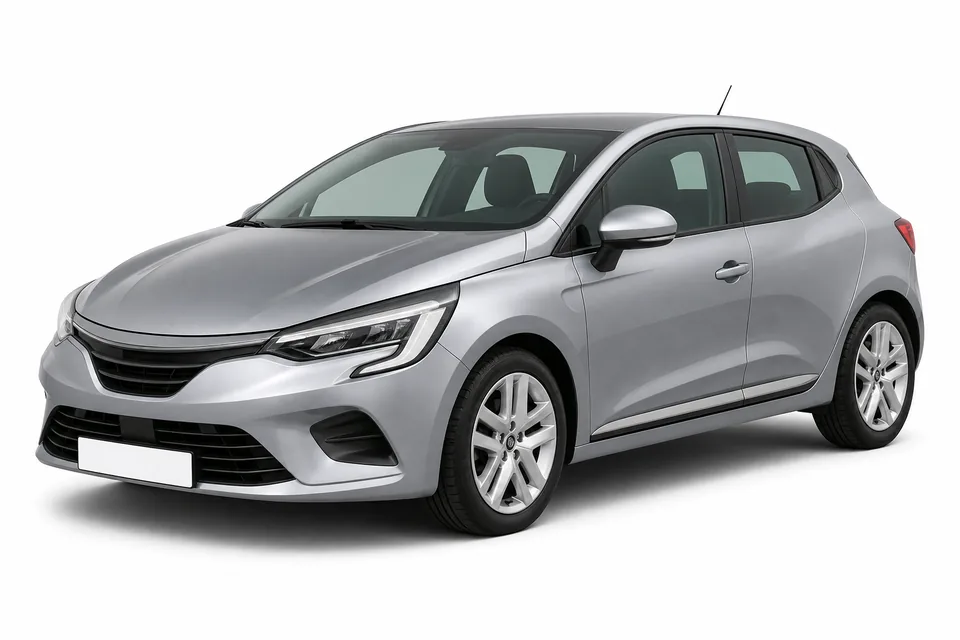
The Renault range sold here splits both ways
The Renault range sold here splits both ways. The 0.9 and 1.0 three-cylinder petrols are timing-chain engines — cars.co.za's warnings about worn timing chains on the Sandero, Clio IV and Captur are all about those. The 1.5 dCi diesel is a cambelt engine, and cars.co.za puts the belt change on the second-generation Duster at four years or 90 000 km.
Where an engine drives the pump off the timing belt
Where an engine drives the pump off the timing belt, the pump and the belt are effectively one job, because getting to either means getting to both. Doing the belt and leaving an original pump in place is how people end up paying the same labour twice within a year. Whether that applies to your specific engine is worth confirming with whoever is doing the work rather than assuming — the layout is not the same on every unit, and we would rather you asked than took our word for it.
What a failing pump sounds like is fairly consistent
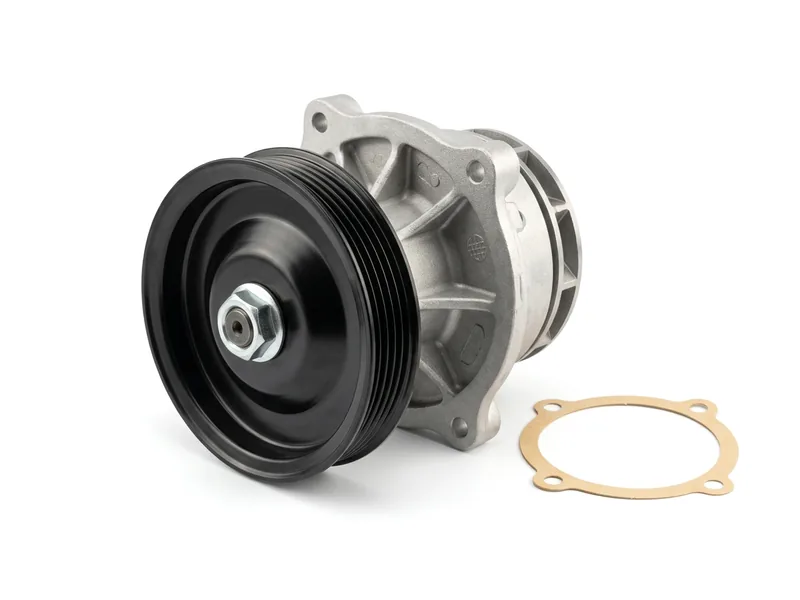
What a failing pump sounds like is fairly consistent: a whine or a rumble from the front of the engine that changes with revs, often with a coolant weep from the pump's weep hole. That hole is there deliberately — it is designed to leak when the seal goes, so you get a warning before the bearing collapses.
How you know water pumps are on the way out
Recognise any of that? Tell us the model and year and we will go and check what we can get hold of for you.
The questions we ask before we price water pumps
This range has one documented cooling weakness and it is worth knowing before you order anything. cars.co.za reports that the plastic thermostat housing on three-cylinder models tends to warp over time — generally past 100 000 km on the Clio IV — and leak coolant, and its Sandero guide reports the same thing. A leak at the top hose on one of these cars is often the housing rather than the hose.
In plain terms, the call you have to make is whether you are replacing what leaked, or what made it leak — and the model name on the boot lid is not enough information to make it.
Include the engine, the mileage, and where you can actually see coolant when you ask us about water pumps. Two questions up front beats a part that has to be couriered back.


Further reading on water pumps
Independent sources, not ours. Worth a look if you want the background before you enquire.
Water Pumps — what customers usually ask
What are the first signs of water pump failure?
Noise and a weep, usually in that order. The bearing starts to whine or rumble, and the seal starts to let coolant past the weep hole low down at the front of the engine. After that comes overheating, which arrives faster than most cooling faults because the coolant has stopped circulating entirely rather than just cooling less well.
Can I drive with a faulty water pump?
No. This is one of the genuine do-not-drive faults. If the pump stops circulating coolant the engine overheats within minutes, not miles, and on a belt-driven pump a seizure can take the timing belt with it — which on most engines means bent valves and a very large bill. Have it recovered rather than driven.
How can I tell if a water pump is bad without removing it?
With the engine off and cool, try to rock the pump pulley by hand: there should be no play. Look for coolant staining or a crusty deposit around the pump and below it. With the engine running, listen at the front — a bearing whine tracks engine speed rather than road speed, which distinguishes it from a gearbox noise. Those three checks catch most failing pumps.
Should I replace the timing belt at the same time?
On a belt-driven pump, almost always. The labour to reach one is the labour to reach the other, so doing them separately means paying that labour twice. On the 1.5 dCi, cars.co.za gives the cambelt interval on the second-generation Duster as four years or 90 000 km, which is a useful benchmark for whether the belt is due anyway. Confirm the arrangement on your specific engine with your workshop.
What causes a water pump to fail?
Bearing wear from age and heat cycling, and seal failure. Both are accelerated by old or contaminated coolant — coolant that has lost its inhibitors becomes mildly corrosive and attacks the pump internals. An over-tightened drive belt shortens bearing life too. Fresh coolant at the right specification is the cheapest thing you can do for a water pump.