
Renault Turbochargers For Sale
Half the local Renault range is not turbocharged at all. On the half that is, three different manufacturers made the unit — and that, not the model name, is what decides the part number.
Used and reconditioned units, identified from your VIN before we quote.
- Matched to your VIN
- Terms set on the quote
- Collection or courier
Checked, not just shifted
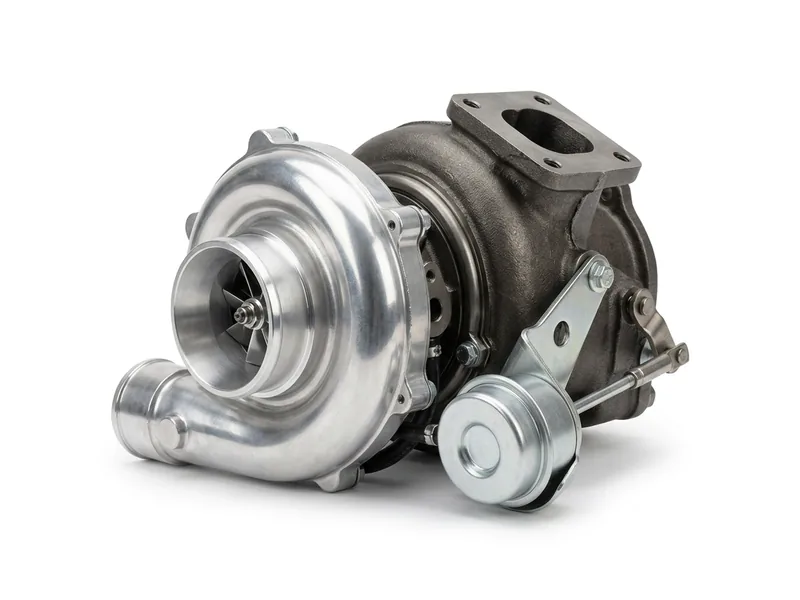
Used units get inspected before they are offered to you, and anything reconditioned has had the work done and documented.
Terms in writing
Cover varies by unit and by condition, so we set it out on the quote rather than making a blanket promise on a web page.
Collect it or have it sent
Collection is from our Briardene counter in Durban North. If you would rather it came to you, say where you are and the carriage goes on the quote before you commit to anything.
The turbochargers fitted to South African Renaults
Six units, three turbo manufacturers, and one engine nobody stocks for yet. Not sure which is on your car? The turbo carries its own part number, so a photograph of the plate is usually enough.
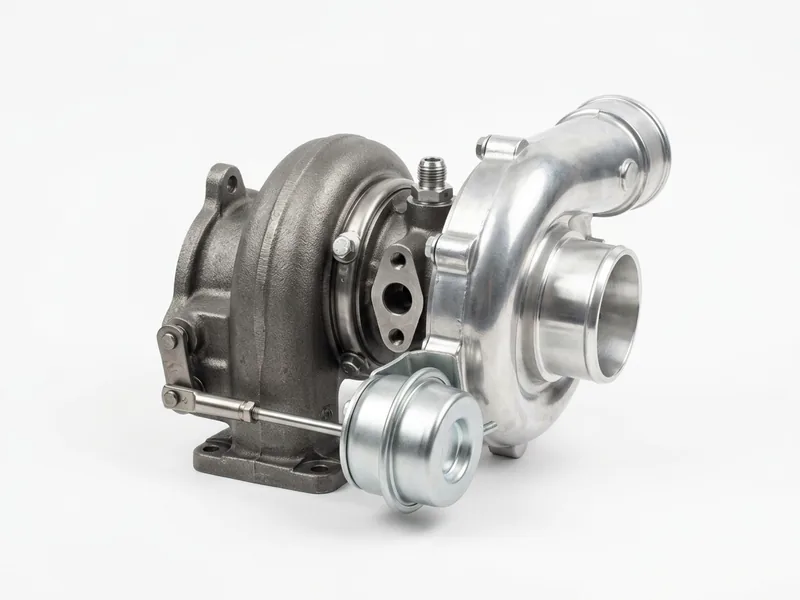
0.9 TCe turbo
49373-04001
- A South African turbo specialist catalogues 49373-04001 for the Captur and Clio 0.9, and lists 49373-04003 as replacing it
- Fixed geometry, and cast into the exhaust manifold rather than bolted to it — turbo and manifold come off as one assembly
- Roughly six unrelated South African sellers advertise a 0.9 turbo, which is the deepest petrol pool on this page
Priced against your VIN, because two of these that look identical often are not.
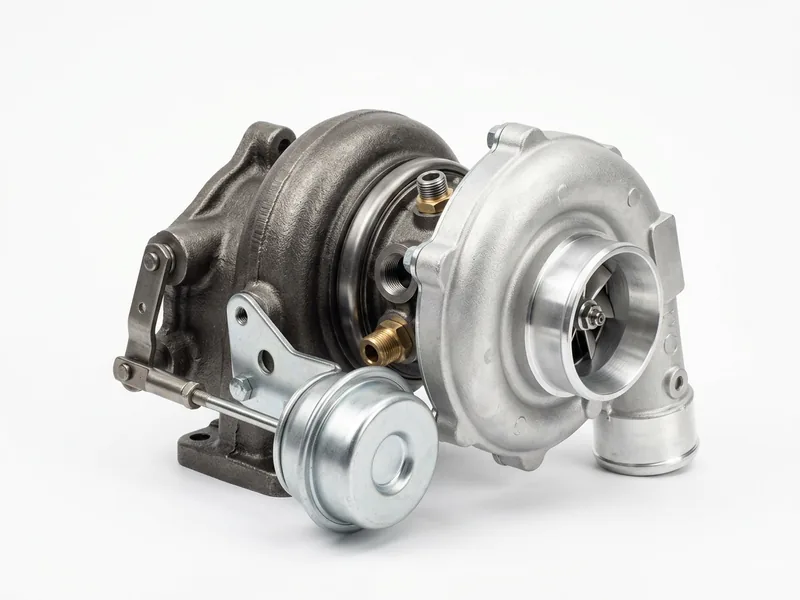
1.5 dCi turbo (K9K)
54399880127
- A BorgWarner BV39 is what the local catalogue puts against the Duster 1.5 dCi, listed with a bare cartridge as a separate line
- The lower-output K9K766 is listed with a smaller BorgWarner KP35 instead — same engine family, two different turbos
- The one belt-driven engine on this page, so a dead turbo is the sensible moment to ask when the cambelt was last done
Priced against your VIN, because two of these that look identical often are not.
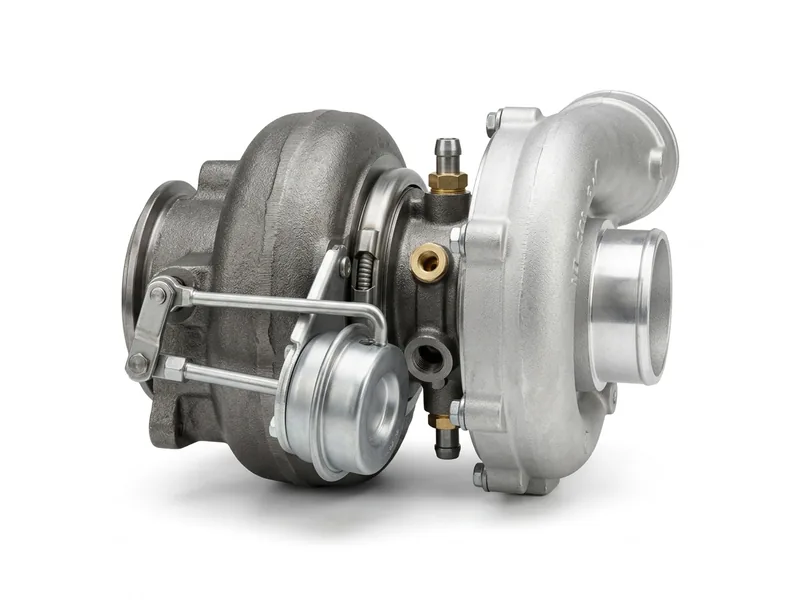
2.0 dCi turbo (M9R)
774833-5002S
- The only variable-geometry unit on this page — a Garrett GTA15V, catalogued against the M9R832 Koleos built 2008 to 2011
- Vanes and an actuator that the fixed-geometry petrol turbos simply do not have, which changes both the diagnosis and the price
- One South African supplier catalogues it and none advertised a used one, so this is a sourcing job rather than a shelf item
Priced against your VIN, because two of these that look identical often are not.
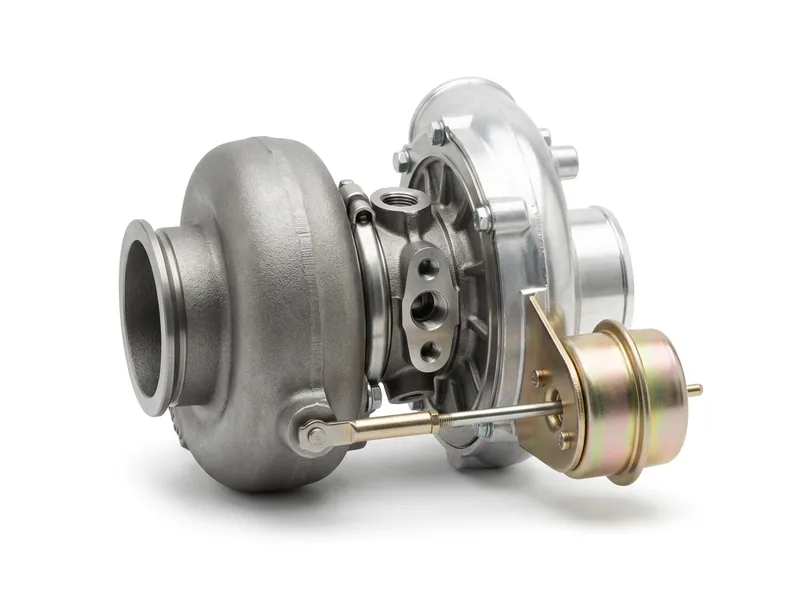
1.2 TCe turbo
49373-05005
- Catalogued locally as 49373-05005 for the Clio and Captur 1.2, described in the seller’s own words as an integrated-manifold unit
- The same catalogue lists a bare cartridge, M821042CHR, alongside the complete turbo — two products, two very different numbers
- No used one was advertised on the South African classifieds when we looked, so we quote it as a hunt, not as stock
Priced against your VIN, because two of these that look identical often are not.
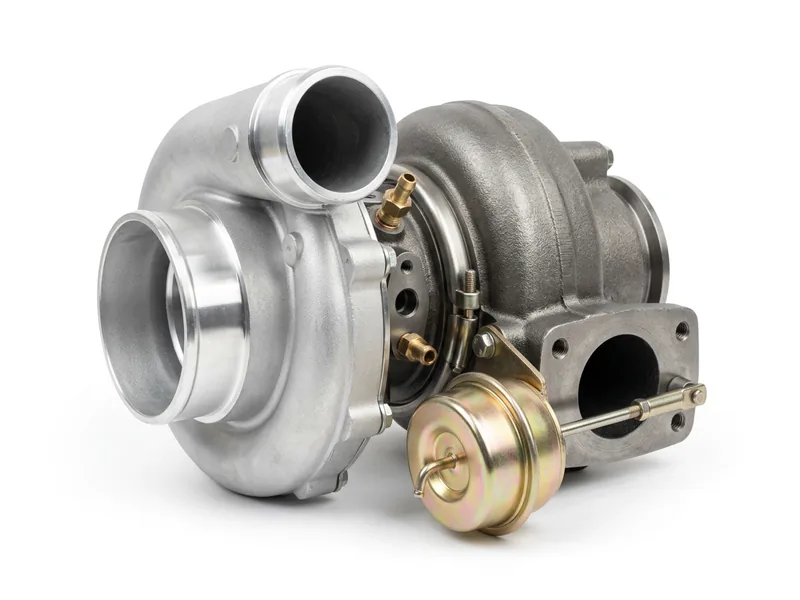
2.0 turbopetrol (Megane RS)
49377-07325
- Listed here as a Mitsubishi TD04, part 49377-07325, against the RS Trophy
- The derivative has to be exact on these cars — an RS is a separate specification end to end, not a quick Megane
- The local used pool is effectively nil: nothing advertised anywhere we searched, so expect this one to be found rather than picked
Priced against your VIN, because two of these that look identical often are not.
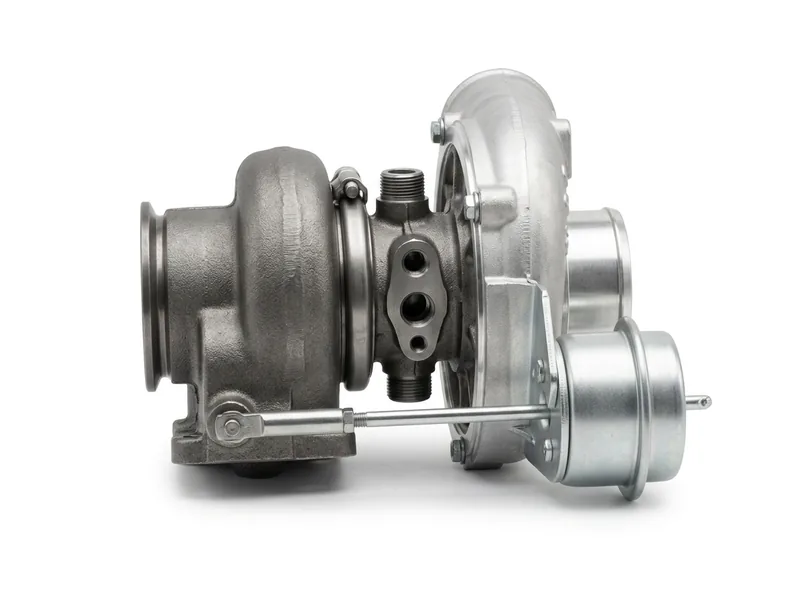
1.0 turbopetrol (HR10DET)
HR10DET
- cars.co.za names the engine and records the same unit in the Nissan Magnite, which is the strongest local fitment lead on this page
- And yet no South African turbo specialist we searched catalogues a turbo for it — not under the engine code, not under either model name
- That is what a genuinely new car looks like from a parts desk: the cars are on the road and the aftermarket has not caught up
Priced against your VIN, because two of these that look identical often are not.
There is no price on the cards above, deliberately. A used unit is priced on the donor vehicle it came out of, so the honest answer only exists once we know which car yours is — which is why every button here asks for your details rather than showing you a number we made up. There is a guide to what these go for further down the page, gathered from other South African sellers.
Renault Turbocharger Price Guide
The variants below are the ones that come up most on South African cars, with what other local sellers are asking for each. Work out which row is yours and the enquiry gets a great deal quicker.
| Variant | What it goes in | Typical asking price |
|---|---|---|
| 0.9 TCe · Mitsubishi | 898 cm³ three-cylinder petrol in the second-generation Sandero, the Clio IV and the Captur. Catalogued locally as 49373-04001, with 49373-04003 listed as replacing it. | R2 700 – R3 000 |
| 1.2 TCe | Four-cylinder turbopetrol in the Clio IV, the Captur, the Kadjar and the Megane IV. Listed as 49373-05005, described by the seller as an integrated-manifold unit. | — |
| HR10DET 1.0 | The newest turbo on this list, and the only one no local specialist catalogues at all. Fitted to the Kiger Turbo and the Clio V. Starts with a conversation rather than with a part number. | — |
| BorgWarner BV39 | The 1.5 dCi turbo catalogued for the Duster, part 54399880127, with the bare cartridge listed separately as 54399880127CHR. | R3 000 – R4 485 |
| BorgWarner KP35 | The smaller unit listed against the lower-output K9K766, OE 7701476880. Same three letters on the block, different turbo — which is why we ask for the engine number and not the model year. | — |
| Garrett GTA15V · VNT | Variable-nozzle unit, part 774833-5002S, catalogued against the M9R832 2.0 dCi in the 2008-2011 Koleos. One supplier found, and no advertised used price anywhere. | — |
| Mitsubishi TD04 | Megane RS 265 and RS 275 Trophy, listed as 49377-07325. A specialist part with almost no local used pool behind it. | — |
| Cartridge or complete unit | Not a variant of the car but a variant of the purchase. Local catalogues carry the bare centre section and the whole turbo as two separate lines. Ask your fitter which one they want. | Core R2 875 – R4 950 |
Checked September 2026. Asking prices from other South African sellers for used units — a guide to the market, not a quote from us. A dash means we could not find two independent sellers advertising that variant, so we have not guessed.
Not sure which row you are? Send the VIN and let us work it out.
Turbochargers, explained
Start with a question that saves a lot of people a lot of money: is your Renault actually turbocharged? A good share of the local range is not. The 1.0 in the Kwid and the Triber is naturally aspirated, the Kiger came in naturally aspirated and turbo forms, the Duster's 1.6 petrol is atmospheric and so is the Koleos 2.5. The turbo cars are the 0.9 and 1.2 TCe petrols, the turbo Kiger and Clio V, the 1.3 turbopetrols and the 1.5 dCi diesel.
Where turbos do give trouble on this range, the SA reporting is specific. cars.co.za's second-generation Duster guide says plainly that it has heard of turbo failures on the 1.5 dCi, in the same breath as noting that clogged particulate filters are by no means uncommon. Those two things are related more often than not: a restricted exhaust and a turbo working against back-pressure are not a happy combination.
Almost every turbo failure is really an oil failure. The bearings run on a thin film of oil fed through a small pipe, and anything that interrupts that — a coked feed line, a blocked filter, extended intervals, a heat-soaked shutdown after a hard run — takes the cartridge with it. Which is why fitting a replacement turbo without cleaning or replacing the oil feed is the single most common way to destroy two turbos instead of one.
A useful fitment note: cars.co.za describes the Clio V's turbo 1.0 as the HR10DET, shared with the Kiger and the Nissan Magnite. Where a unit is genuinely shared like that, it widens the pool we can search.
How you know turbochargers are on the way out
Recognise any of that? Tell us the model and year and we will go and check what we can get hold of for you.
The questions we ask before we price turbochargers
Strip away the catalogue language and what you are actually choosing between here is which of two quite different engine families you are actually buying for — a three-cylinder or a four-cylinder.
Most Renaults on South African roads are three-cylinder cars: the 0.9 turbopetrol in the Sandero, Clio and Captur, and the 1.0 in the Kwid, Triber and Kiger. The four-cylinder cars are the exception here, not the rule. There is a second split underneath that one — the three-cylinder petrols run timing chains and the 1.5 dCi runs a cambelt — and it changes what a repair costs.
So we price turbochargers against your specific car, not against a badge. Send through the engine code off the plate, or the VIN if you cannot find it, and we will come back to you on what fits , what it will cost, and how soon we can have it moving.
Who actually made the turbo on your Renault
Most parts questions on this site start with "which Renault is it". A turbo starts one step further back, with who made the unit — because there is no such thing as a Renault turbocharger. Renault bought them in, and across the cars sold here that means three different manufacturers. The 0.9 TCe petrol runs a Mitsubishi unit, catalogued in South Africa as 49373-04001 and superseded by 49373-04003. BorgWarner supplies the 1.5 dCi, and not always the same BorgWarner. Garrett supplies the 2.0 dCi in the first-generation Koleos. Those are three separate supply chains, and knowing which one you are in turns "a Renault turbo" into a part number. Start from the engine, because the engine picks the turbo and nothing on the outside of the car tells you which.
The 1.5 dCi is where most of these enquiries land, and it has a trap in it. A South African turbo specialist catalogues a BorgWarner BV39 against the Duster 1.5 dCi and a smaller BorgWarner KP35 against the lower-output K9K766 — same engine family, same three letters on the block, two different turbos. So "a K9K turbo" is not one item, and an engine number settles it far faster than a model year does. There is a second thing worth saying plainly, because you will notice it within a minute of searching yourself: most of the used K9K turbo stock advertised in South Africa is listed against the Nissan NP200 rather than against a Renault at all. We are not telling you it fits — that is a question for part numbers, not for a search result. We are telling you that is where the stock is, and it is where we look. On the day we checked — August 2026 — four unrelated sellers, in four different provinces, were advertising used 1.5 dCi turbos between R3 000 and R4 485. Read that as the shape of the market rather than as our price: the figure we give you comes off the actual unit we can put in front of you, and for most of the other units on this page there is no advertised figure at all.
Two things move the number more than mileage does. The first is geometry. The petrol turbos here are fixed-geometry units, and on the 0.9 and the 1.2 the turbo is cast into the exhaust manifold rather than bolted to it — one assembly, which is why a quote for "just the turbo" on a Clio or a Captur is often a quote for rather more metal than people are expecting. The 2.0 dCi is the other kind entirely: a Garrett GTA15V with variable nozzles and an actuator, catalogued as 774833-5002S for the M9R832 Koleos, where the vanes and the actuator are part of both the diagnosis and the bill. The second is how much of the turbo you actually need. Local catalogues list a bare cartridge — the centre section on its own — as a different line from the complete unit with its housings. Find out which of the two your fitter wants before you ask anyone for a figure, because they are two products and two prices.
One straight answer about the newest turbo Renault, because we would rather say it than let you find it out slowly. The 1.0 turbopetrol in the Kiger Turbo and the Clio V is the HR10DET, and cars.co.za names the engine and puts the same unit in the Nissan Magnite — normally exactly the kind of lead that widens a search. It has not yet. We searched the South African turbo specialists under the engine code and under both model names and found nothing catalogued for it at all. The cars are on the road and the aftermarket has not caught up, so a turbo for one of these is a phone call rather than a listing. Whatever you are driving, there is one question we always come back to: what killed the first turbo. A unit working against a blocked particulate filter will take its replacement with it, and on the diesels cars.co.za traces clogged injectors on the second-generation Duster to poor-quality fuel — which makes the fuel system worth five minutes of conversation before we sell you the same part twice.
Related: Renault engine parts · cylinder heads
Further reading on turbochargers
Independent sources, not ours. Worth a look if you want the background before you enquire.
Turbochargers — the questions we field most
Ready to talk turbochargers?
Give us the VIN, or the model and year if the VIN is out of reach. We match the unit to your Renault first, then come back with the price and the carriage in one go.