
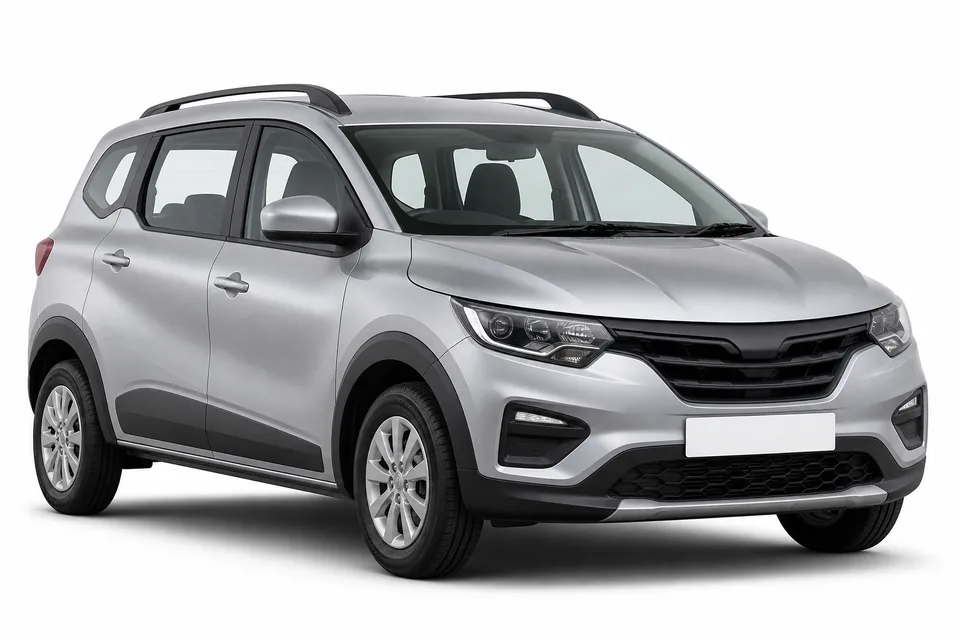
Renault Suspension
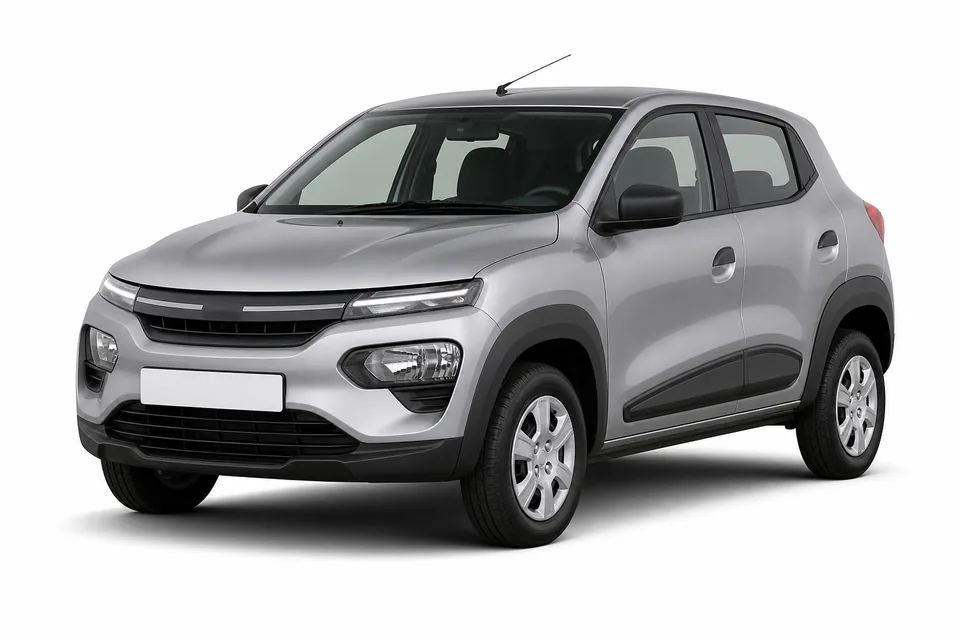
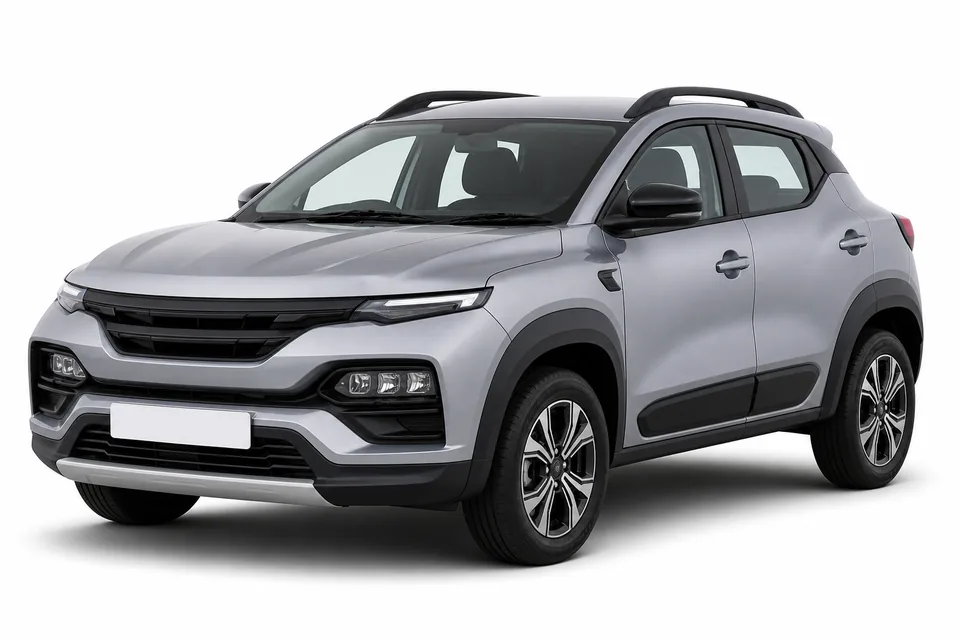
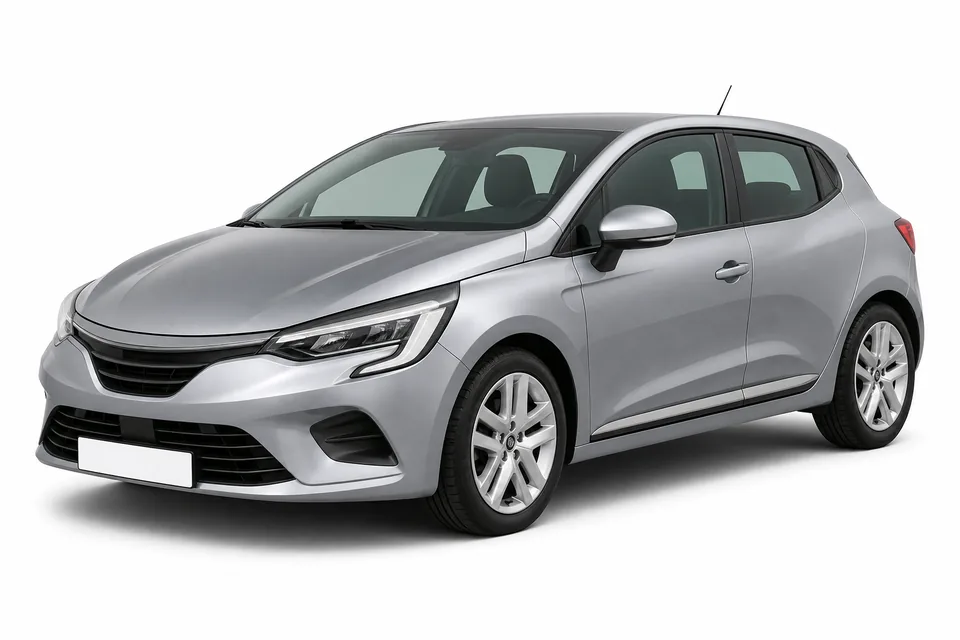
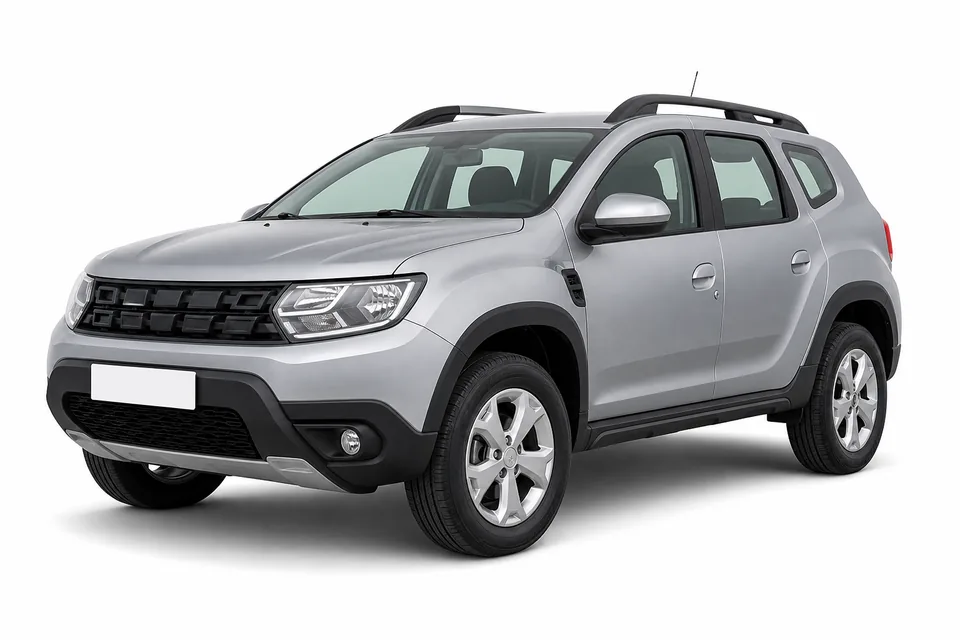
Renault SA's own brochures put a MacPherson strut at the front and a twist beam at the rear of the Kwid and the Kiger, which is the pattern across the small cars. The exception matters: on the second-generation Duster the front-drive versions used a torsion-beam rear and the 4WD upgraded to a multi-arm setup, so those two have entirely different back ends. Ride height differs too — 180 mm on the Kwid, 205 mm on the Kiger, and a Sandero Stepway sits 29 mm above the standard hatch.
- Trade counter at 89 Chris Hani Road, Briardene
- Collect from the counter, or courier with the carriage in the quote
- Price, condition and fitment settled on a written quote
Suspension, explained
Renault's South African range is built around one basic architecture, and knowing it makes buying used suspension much simpler. Renault SA's own brochures describe both the Kwid and the Kiger as having a MacPherson strut with a lower transverse link at the front and a twist beam with a coil spring at the rear. That is the pattern across the small cars.
The exception is the one worth knowing about. On the second-generation Duster, cars.co.za records that the front-driven versions used a basic torsion-beam rear while the 4WD derivative upgraded to a multi-arm arrangement — and a carmag road test says the same thing. So a 4x2 Duster and a 4x4 Duster have entirely different rear ends. Rear suspension parts do not cross between them, and on the second-generation car the 4WD was only ever the 1.5 dCi 80 kW version.
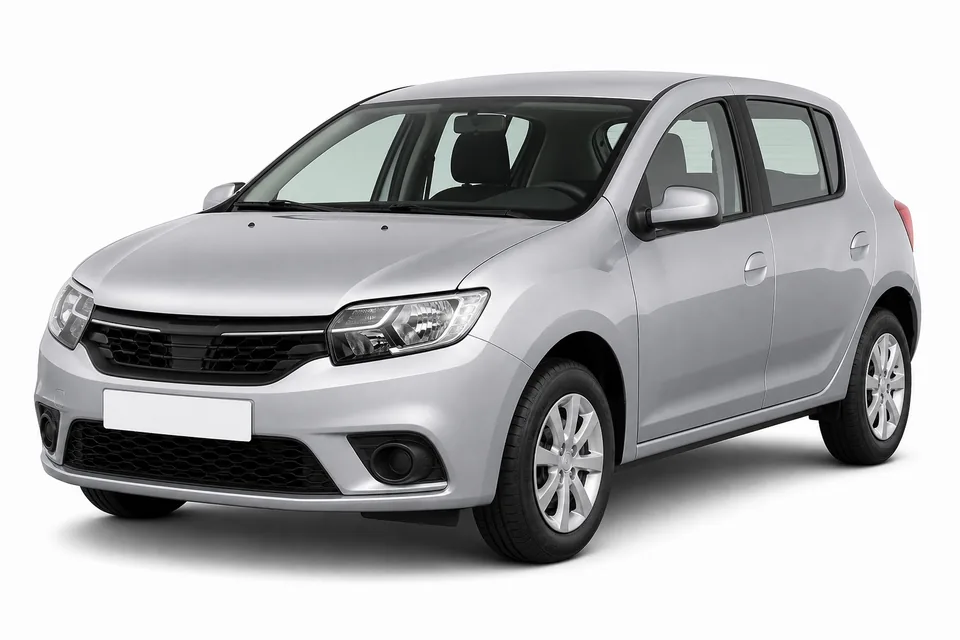
The other thing that catches people is ride height. These are cars sold on ground clearance, and the raised versions are genuinely different: Renault's figures put the Kwid at 180 mm and the Kiger at 205 mm, and the Sandero Stepway was raised from the hatch's 164 mm to 193 mm. A Stepway does not run the same struts and springs as a standard Sandero, whatever the badge on the back says.
One more thing, from Renault SA's own warranty wording: shock absorbers are listed among the wear-and-tear items the warranty does not cover. They are consumables, not lifetime parts.
How you know suspension are on the way out
Recognise any of that? Tell us the model and year and we will go and check what we can get hold of for you.
Why two identical-looking Renaults take different suspension
Strip away the catalogue language and what you are actually choosing between here is whether your car is a standard-height version or one of the raised ones.
These are cars sold on ground clearance, and the raised versions use genuinely different components. Renault puts the Kwid at 180 mm and the Kiger at 205 mm, and the Sandero Stepway sits 29 mm above the standard hatch. The bigger trap is the Duster: cars.co.za records that the front-drive second-generation cars used a torsion-beam rear while the 4WD had a multi-arm setup. Different back ends entirely.
So we price suspension against your specific car, not against a badge. Send through the exact derivative, and whether it is a 4x2 or a 4x4, and we will come back to you on what fits — whether yours is one of the small hatches, the SUVs, or one of the commercials , what it will cost, and how soon we can have it moving.
Suspensionwe source
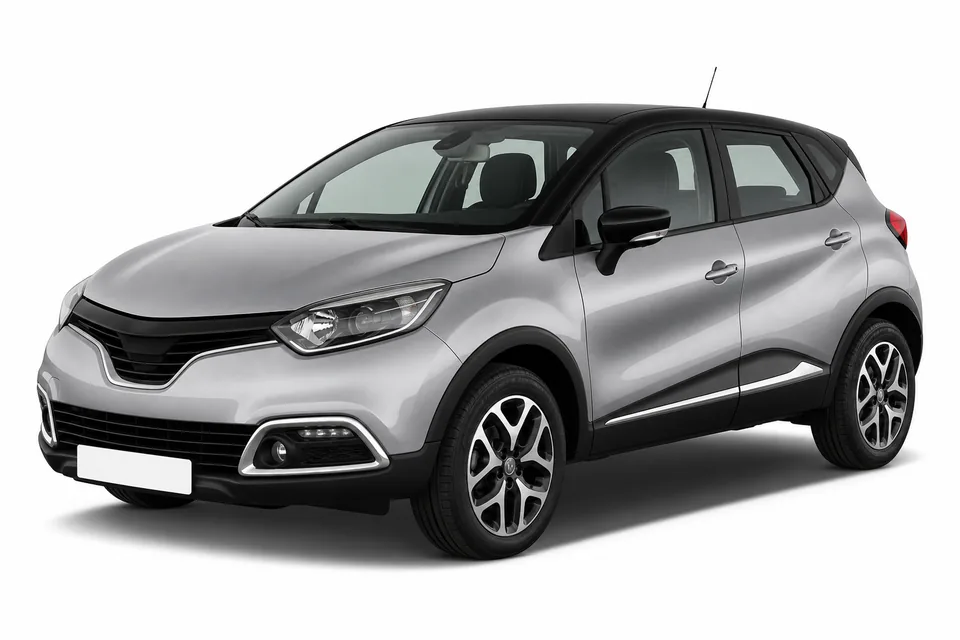
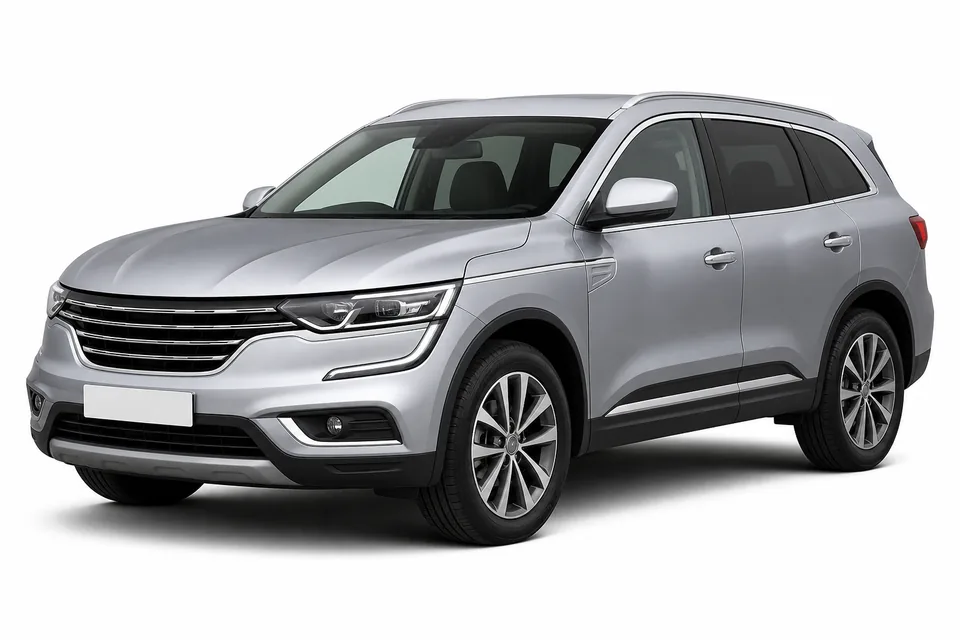
Further reading on suspension
Independent sources, not ours. Worth a look if you want the background before you enquire.
Suspension — what customers usually ask
What are the common signs of suspension problems?
Noise, handling and tyres, in roughly that order of how early you notice them. Knocking over bumps points at links, bushes or mountings. A floating, unsettled ride points at the dampers. Uneven tyre wear and tracking that will not hold usually means something in the geometry has worn — a control-arm bush or a ball joint. Any one of the three is worth acting on, because worn suspension destroys tyres, and tyres are more expensive than bushes.
Will a suspension part from a 4x2 Duster fit a 4x4?
At the rear, no. cars.co.za records that on the second-generation Duster the front-wheel-drive versions used a torsion-beam rear while the 4WD derivative had a multi-arm setup, and a carmag road test describes the same split. Those are different rear ends, not different specifications of the same one. On the second-generation car the 4WD came only as the 1.5 dCi 80 kW, which is a useful way to identify one.
Do Stepway and standard Sandero suspension parts interchange?
Treat them as different. The Stepway was a raised car — cars.co.za puts it 29 mm higher at 193 mm, and a carmag road test from its launch describes the suspension being raised from 164 mm to 193 mm. That extra height comes from different components, so a strut or spring from a standard hatch will give you a car that sits wrong. Tell us which one you have.
Can suspension problems be fixed, or does it all have to be replaced?
Most suspension work is component-level rather than wholesale. Bushes, ball joints, drop links, top mounts and bearings are all replaceable individually, and a knock is more often one of those than a failed strut. Where you do want to work in pairs is dampers and springs, because replacing one side leaves the car unbalanced. Get it on a lift and properly inspected first — guessing at suspension parts is an expensive habit.
What is the most common suspension problem on these cars?
On South African roads, bushes and top mounts take a beating, and drop links are usually the cheapest thing making the most noise. Beyond that, potholes bend things — a wheel that will not balance or track after a hard hit often has a bent component rather than a worn one. We have not found a source documenting a Renault-specific suspension weakness on this range, so we are not going to claim one.