

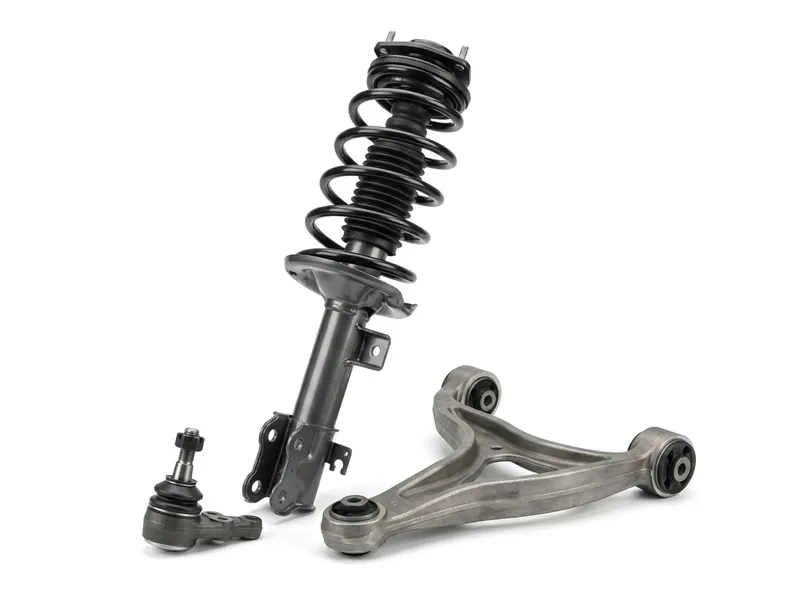
Renault Shock Absorbers
Shocks die quietly. Nothing snaps, the car just floats over a dip, tramlines on a bad surface, or takes longer to settle after a speed bump than it used to — and because it happens over years, most owners never notice until they drive a fresh one. On the raised Renaults that sell here, worn dampers also show up as uneven tyre wear long before they show up as a leak.
- Trade counter at 89 Chris Hani Road, Briardene
- Collect from the counter, or courier with the carriage in the quote
- Price, condition and fitment settled on a written quote
Shock Absorbers, explained
Shock absorbers are the part people replace last and should probably replace sooner, because they fail so gradually that the driver adapts without noticing. Nothing snaps. The car simply takes a little longer to settle after a bump than it did three years ago, and you adjust your driving to suit it.
It is worth being clear that these are consumables. Renault South Africa's own warranty wording lists shock absorbers among the wear-and-tear items the warranty does not cover, in the same breath as brake pads and wiper blades. They are expected to wear out.
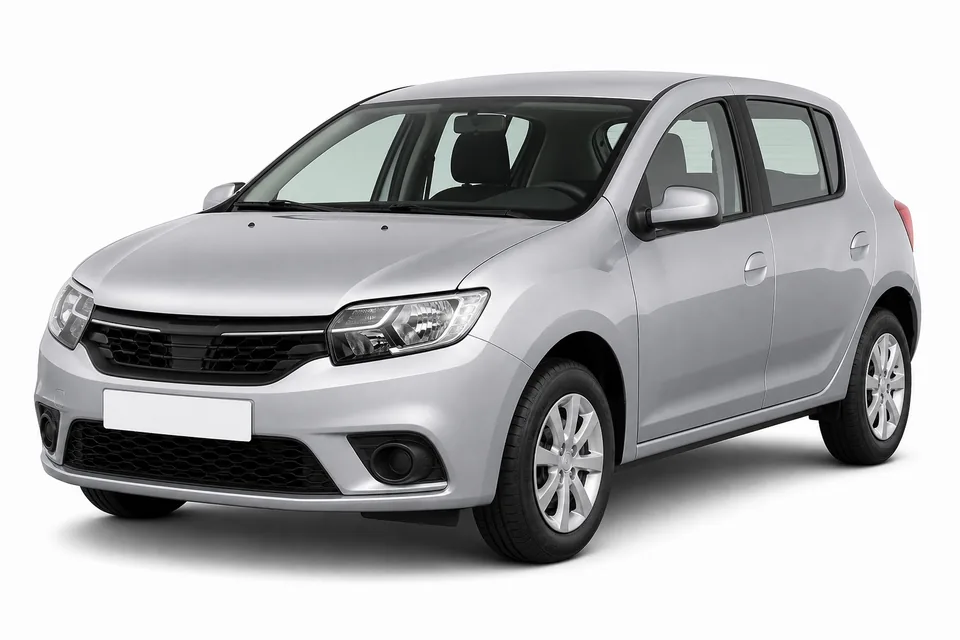
On South African roads they wear out faster than the brochure figures behind them would suggest. Potholes, dirt roads, corrugations and speed bumps taken at optimistic speeds all do their work. And the raised versions of these cars are genuinely different parts, not the same part in a taller position — the Sandero Stepway was raised from 164 mm to 193 mm, which is a different strut and a different spring.
The consequence people care about most is tyres
The consequence people care about most is tyres. Worn dampers let the wheel skip rather than follow the road, and that scallops the tread. A set of tyres costs considerably more than a pair of shocks, which is the argument for not putting this off.
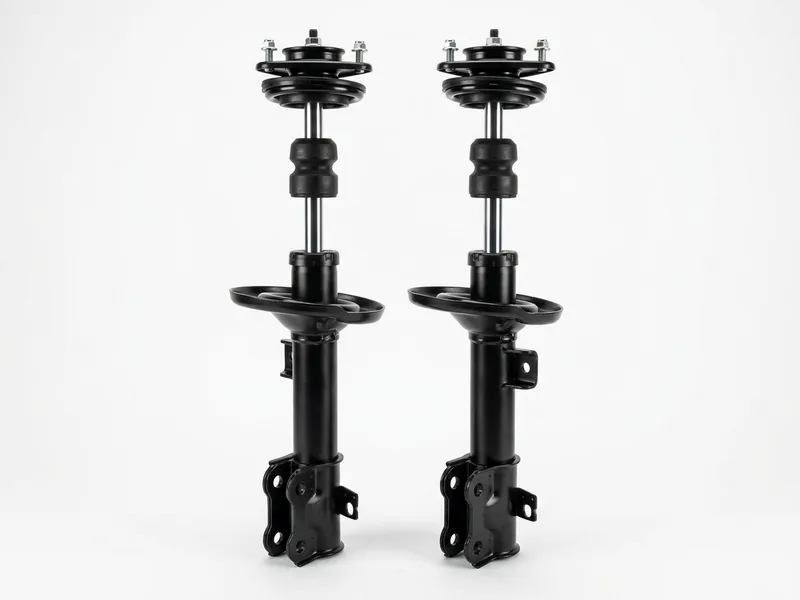
Front and rear are different jobs on these cars. Most of them use a MacPherson strut assembly at the front and a separate damper at the rear alongside the twist beam, so a front replacement and a rear replacement are different parts, different labour and different money.
How you know shock absorbers are on the way out
Recognise any of that? Tell us the model and year and we will go and check what we can get hold of for you.
Shock Absorbers for a Renault — read this before you order
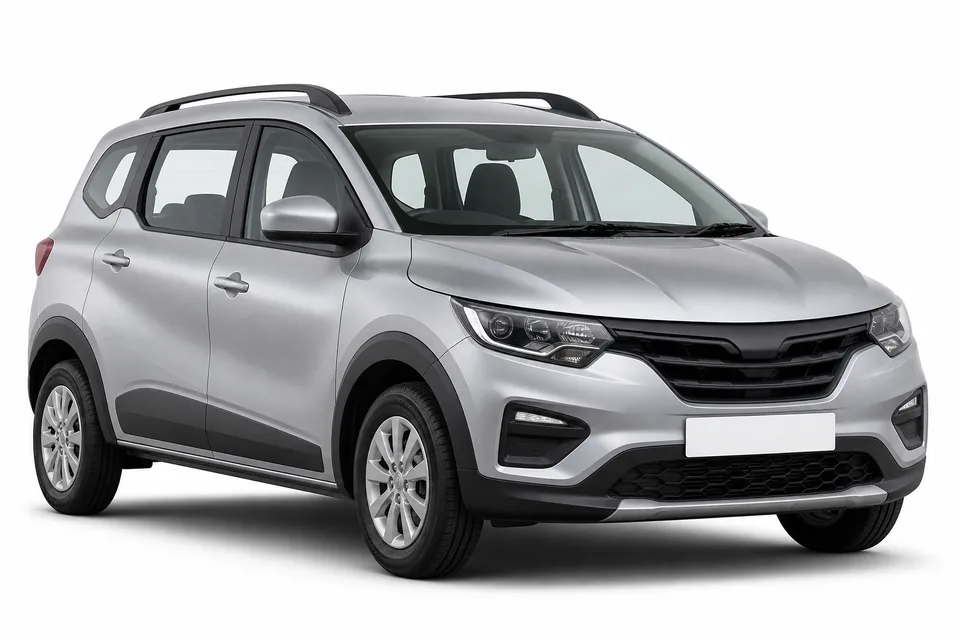
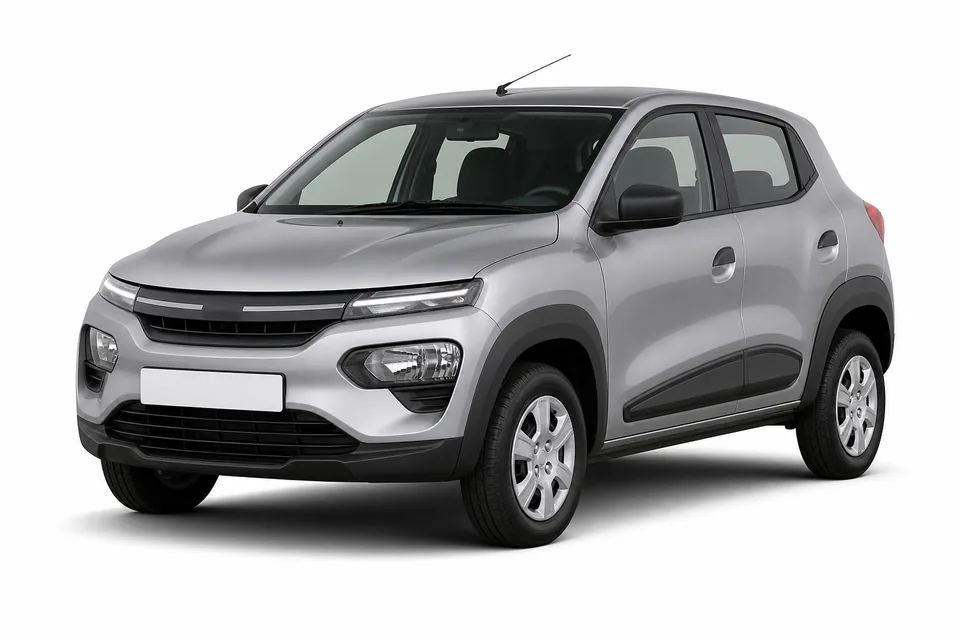
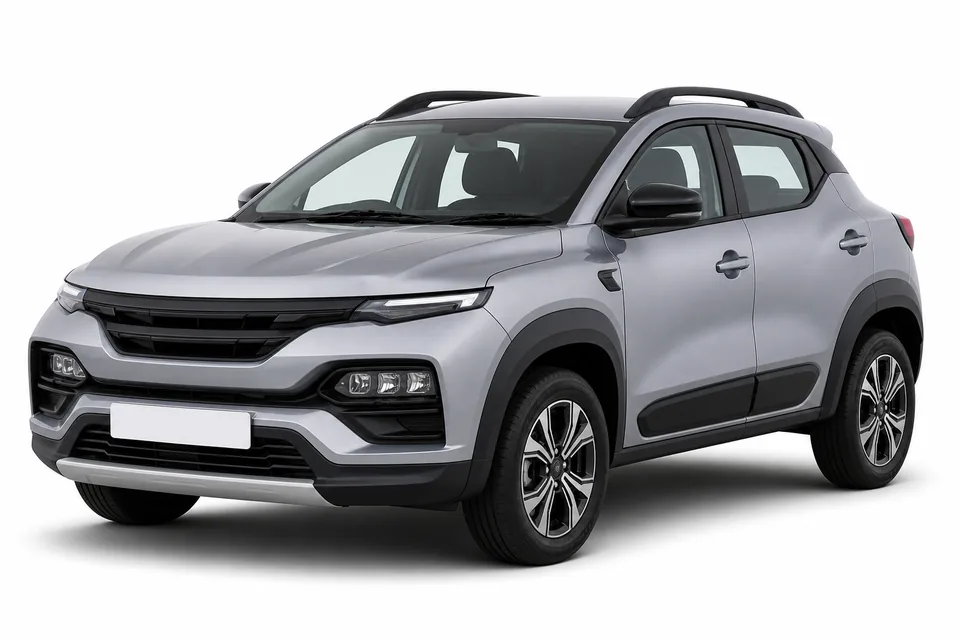
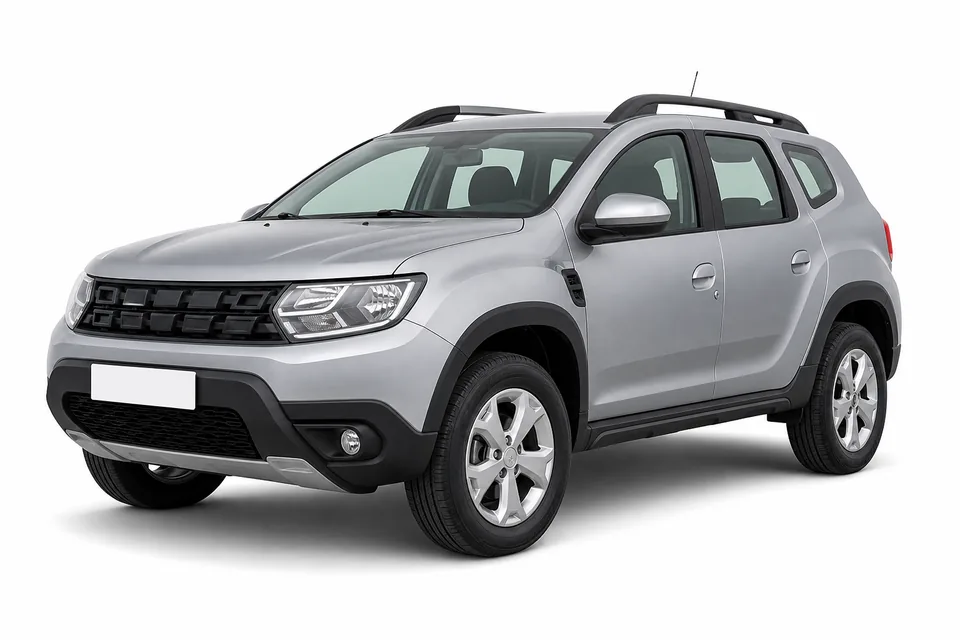
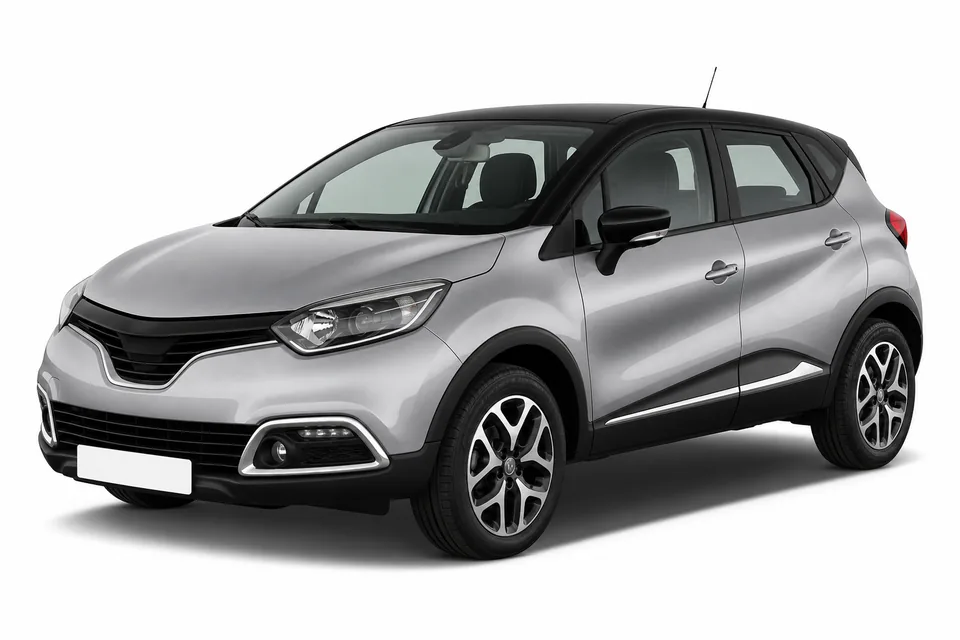
These are cars sold on ground clearance, and the raised versions use genuinely different components. Renault puts the Kwid at 180 mm and the Kiger at 205 mm, and the Sandero Stepway sits 29 mm above the standard hatch. The bigger trap is the Duster: cars.co.za records that the front-drive second-generation cars used a torsion-beam rear while the 4WD had a multi-arm setup. Different back ends entirely.
In plain terms, the call you have to make is whether your car is a standard-height version or one of the raised ones — and the model name on the boot lid is not enough information to make it.
Include the exact derivative, and whether it is a 4x2 or a 4x4 when you ask us about shock absorbers. Two questions up front beats a part that has to be couriered back.

Further reading on shock absorbers
Independent sources, not ours. Worth a look if you want the background before you enquire.
Shock Absorbers — what customers usually ask
How do I know if my shocks need replacing?
The bounce test is the old standby and it still works: push down hard on one corner of the car and let go. It should come back up and settle immediately. If it keeps oscillating, that damper is not damping. Then look at the dampers themselves for oil running down the body, and look at your tyres for cupped patches. Any of those three is enough to have them properly inspected.
What kills shock absorbers?
Road surface, mostly, and South Africa provides plenty of it. Potholes and hard impacts damage them suddenly; corrugated dirt roads and general poor surfaces wear them gradually by working them constantly. Heat plays a part too — a damper turns movement into heat, and continuous work on a bad road heats the oil until it stops damping properly, which is why the car can feel worse at the end of a rough stretch than at the start. Carrying heavy loads regularly adds to all of it.
Will replacing shocks improve the ride?
Usually more than people expect, because the decline was so gradual they had forgotten what the car used to feel like. Expect it to settle in one movement rather than three, to feel more planted on the highway, and to stop crashing over bumps that it used to absorb. What new shocks will not fix is a knock from a worn bush or top mount — those are separate parts, and it is worth having them checked at the same time since the labour overlaps.
Can I drive with worn shock absorbers?
You can, and most people do for far longer than they should, but it is a real safety issue rather than a comfort one. Worn dampers lengthen your braking distance because the tyres lose contact momentarily over bumps, and they make the car less predictable in an emergency swerve — precisely when you need it most. They also destroy tyres. It is not an emergency, but it should not be a permanent state either.
Do shocks have to be replaced in pairs?
Yes, always across an axle. A new damper on one side and a worn one on the other gives you a car that behaves differently left to right, which is worse than two evenly worn ones. Front and rear do not have to be done at the same time, though if the car has covered serious distance they are usually of a similar age and it saves a second visit.
Are used shock absorbers worth buying?
We will be straight about this: less often than for most parts. A damper is a wear item, and a used one has an unknown amount of life left in it. Where it can make sense is a low-mileage accident-damaged donor, or a model where new parts are genuinely scarce. For a daily car on our roads, new is usually the better value, and we would rather tell you that than sell you two of these twice.