



Renault Fuel System
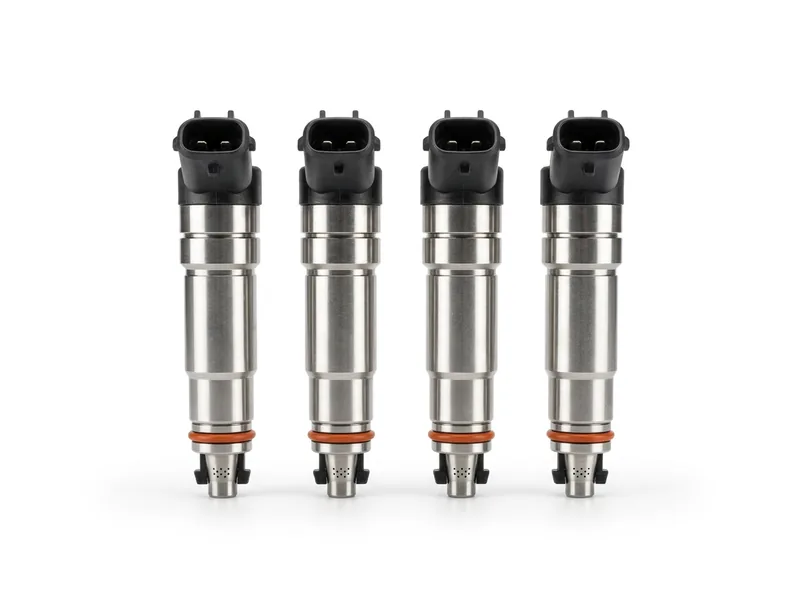
Two very different fuel systems live in this range. The petrols run port injection at ordinary fuel pressures; the 1.5 dCi in the Duster and Captur is common-rail diesel running at pressures where a worn injector does real damage. The cars.co.za Clio IV guide also lists a failing fuel sensor unit as a reported fault. Petrol or diesel is the first question we ask.
- Trade counter at 89 Chris Hani Road, Briardene
- Collect from the counter, or courier with the carriage in the quote
- Price, condition and fitment settled on a written quote
Fuel System, explained
There are two fuel systems in this range and they have almost nothing to do with each other.
The petrol cars
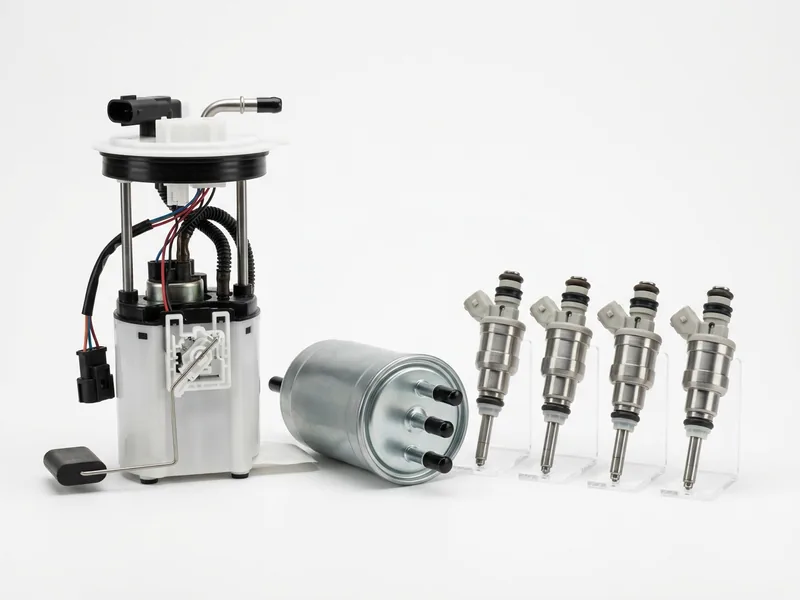
The petrol cars — the 0.9 and 1.0 three-cylinders, the 1.2 and 1.3 turbopetrols, the 1.6 in the Duster, the 2.5 in the Koleos — run port injection at fuel pressures measured in single-digit bar. The pump sits in the tank, the injectors are relatively simple, and a fuel-system fault on one of these is usually a pump, a filter, a sender or a relay.
The 1.5 dCi is common-rail diesel
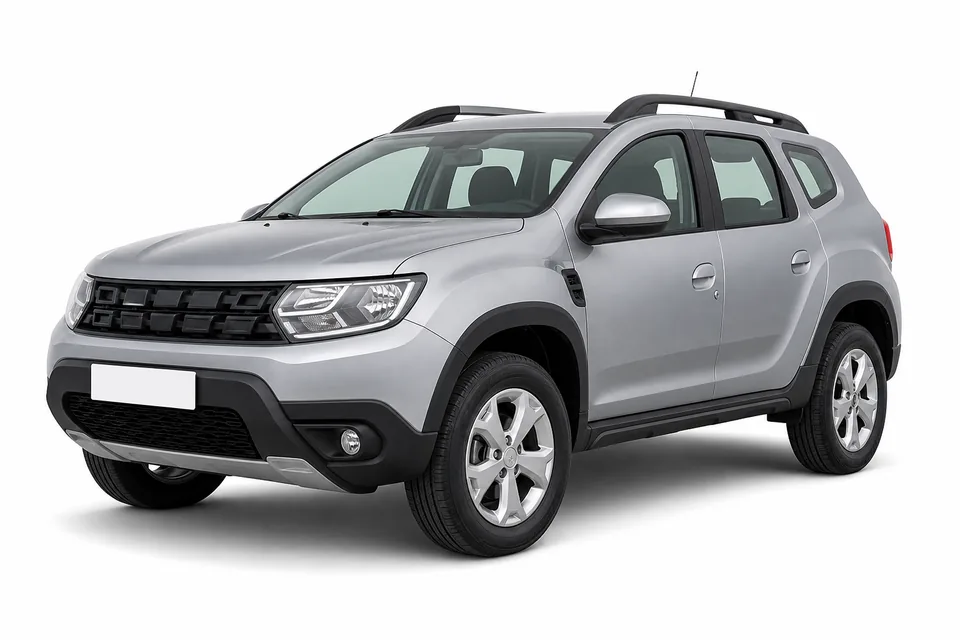
The 1.5 dCi is common-rail diesel, and the pressures involved are in a different league entirely. That changes everything downstream: the parts are more precisely made, contamination matters far more, and the consequences of a failure reach further into the engine. cars.co.za notes that clogged injectors and particulate-filter problems on the second-generation Duster can arise where the car has not been maintained properly or has been run on poor-quality fuel — a caveat with real weight in South Africa, where diesel quality is not uniform across the country.
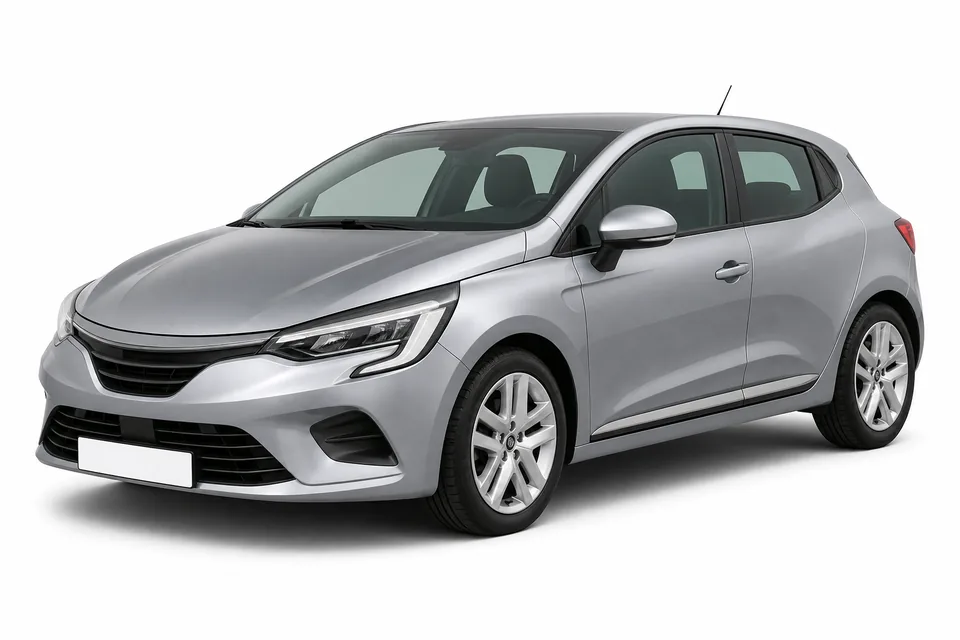
One more documented item worth knowing: the Clio IV buyer's guide lists a failing fuel-sensor unit among the reported reliability issues. If your gauge or range readout has gone unreliable, that is a known thing on these cars rather than something you imagined.
How you know fuel system are on the way out
Recognise any of that? Tell us the model and year and we will go and check what we can get hold of for you.
The questions we ask before we price fuel system
- What you are really deciding
- Petrol or diesel — because the two systems have almost nothing in common.
- Where Renault differs
- The petrols run port injection at ordinary pressures. The 1.5 dCi is common-rail diesel, where the tolerances leave no room for contamination — cars.co.za notes that clogged injectors on the second-generation Duster can arise where the car has been run on poor-quality fuel, which is a live concern on South African diesel rather than a theoretical one.
- Where the car was built
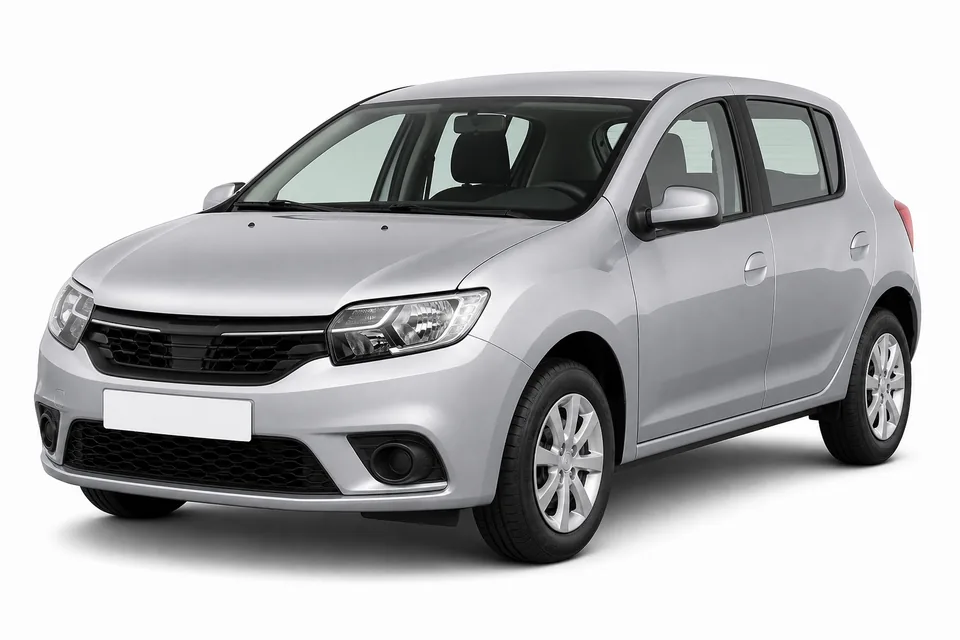
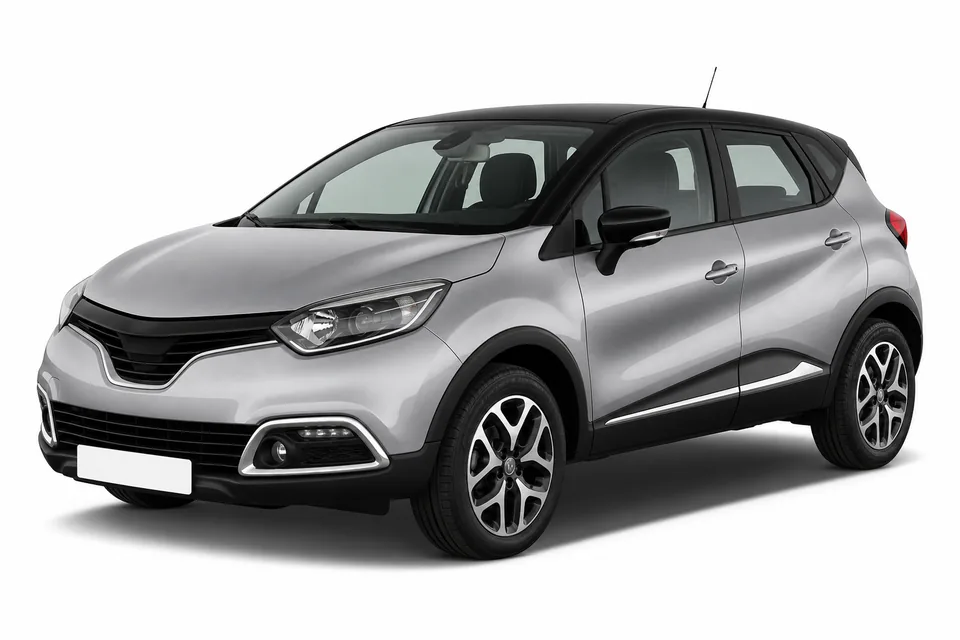
Renault does not build its South African range in one place, and that decides which supply chain a part comes down. The Triber is Indian-made, on a modified CMF-A platform, and the Kwid and Kiger come off the same Indian industrial base. The Sandero was imported from Romania, and every SA-spec second-generation Duster was built at Dacia's Mioveni plant there. The first-generation Captur sold here came from Renault's Valladolid factory in Spain.
It can show up in the metal, too: the first-generation Duster switched from Indian to Romanian production partway through its life, and cars.co.za observed that the Romanian-built cars appear to have benefitted from better rust-proofing and paint quality.
- What to send us
- The engine, and whether the fuel filter has been changed at the interval. With that in front of us we can normally settle the right fuel system without a back-and-forth.
Fuel Systemwe source

Further reading on fuel system
Independent sources, not ours. Worth a look if you want the background before you enquire.
Fuel System — what customers usually ask
What are the first signs of fuel pump failure?
Extended cranking on a cold start is usually first, because a tired pump takes longer to build pressure. After that: hesitation under load, a loss of power at higher speeds when demand is highest, and sometimes a whine from the tank. The awkward part is that a failing pump can behave perfectly for days at a time, so intermittent symptoms do not rule it out. A fuel-pressure test settles it properly.
What causes fuel pump problems?
Running the tank very low, habitually, is the big one — the fuel around the pump is what cools it, and a pump that regularly runs half-uncovered has a shorter life. After that, contamination and a filter that has never been changed. Poor-quality fuel matters more on a diesel than a petrol, and cars.co.za makes that point specifically about the 1.5 dCi.
Is my fuel gauge fault the sender or the sensor unit?
On a Clio IV it is worth knowing that cars.co.za lists a failing fuel-sensor unit among the reported reliability problems on that car, so a gauge that has become erratic is a documented issue rather than an oddity. On other models a gauge fault can be the sender in the tank, the wiring, or the instrument cluster. It needs reading on a scan tool before anyone drops a tank.
Can I fix a fuel pump without replacing it?
Sometimes the pump was never the problem. A blocked filter, a corroded connector, a failed relay or a poor earth all produce identical symptoms and cost a fraction as much. Have the fuel pressure measured and the wiring checked before buying a pump — this is one of the most commonly replaced parts that did not need replacing.
Are petrol and diesel fuel parts interchangeable at all?
No, and it is not a close call. The pressures, materials and tolerances are entirely different. When you enquire, tell us petrol or diesel first — it is the question that decides which half of the catalogue we are even looking in.