
Renault Engines For Sale
Three-cylinder or four, petrol or dCi, chain or belt — the engine code decides all of it, and the badge on the tailgate decides none of it.
Used and reconditioned units, identified from your VIN before we quote.
- Matched to your VIN
- Terms set on the quote
- Collection or courier
Checked, not just shifted
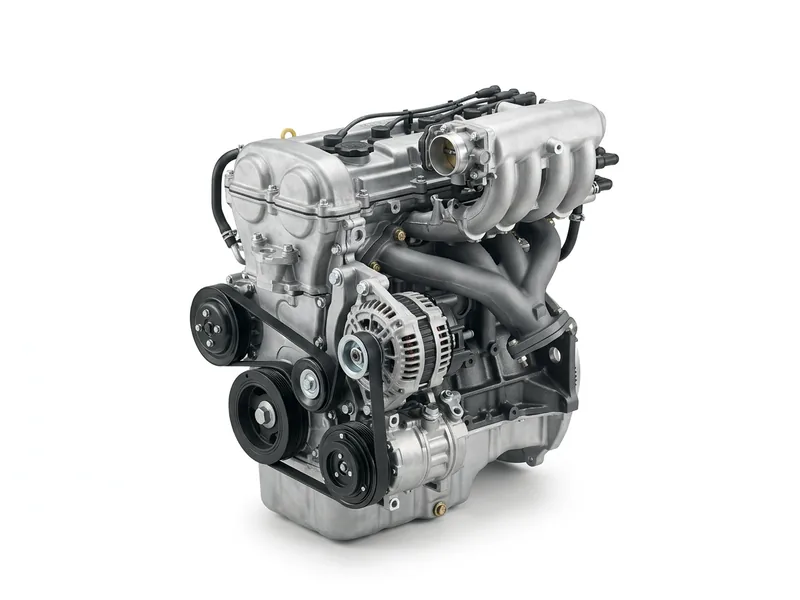
Used units get inspected before they are offered to you, and anything reconditioned has had the work done and documented.
Terms in writing
Cover varies by unit and by condition, so we set it out on the quote rather than making a blanket promise on a web page.
Collect it or have it sent
Collection is from our Briardene counter in Durban North. If you would rather it came to you, say where you are and the carriage goes on the quote before you commit to anything.
The Renault engine families we source in South Africa
Find the one that matches your car. If you are not sure which you have, the VIN settles it in a minute.
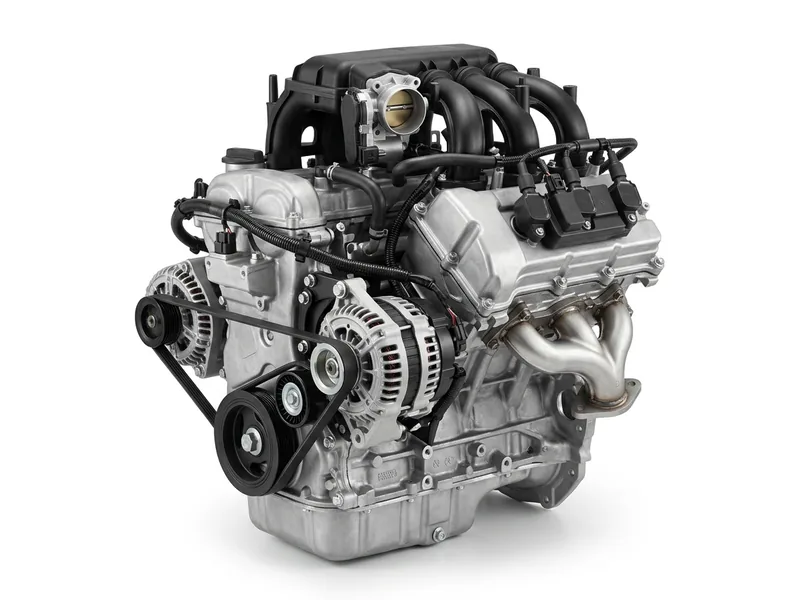
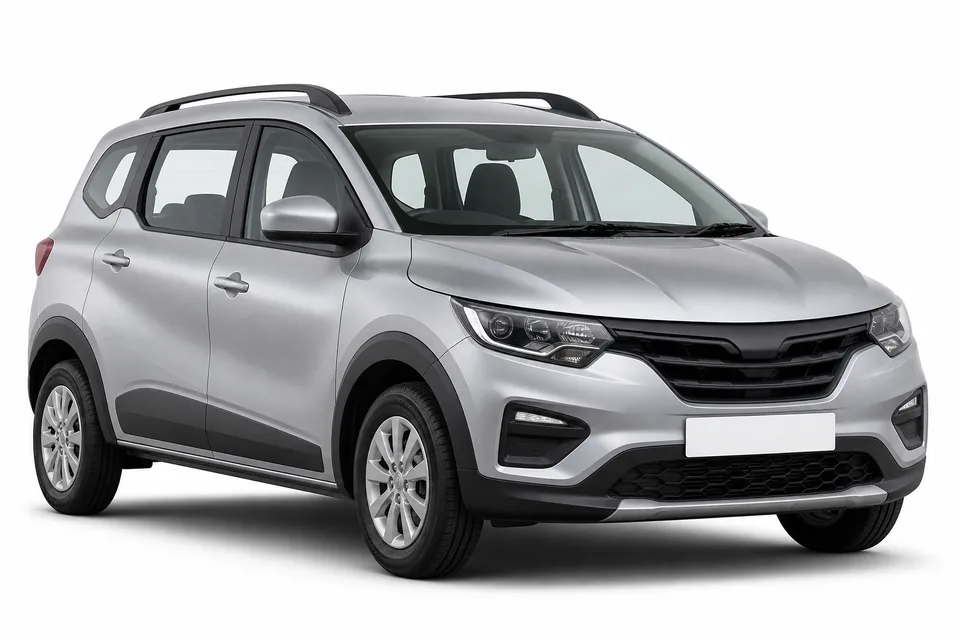
1.0 naturally aspirated three-cylinder petrol
1.0 NA
- Naturally aspirated, timing chain rather than a belt
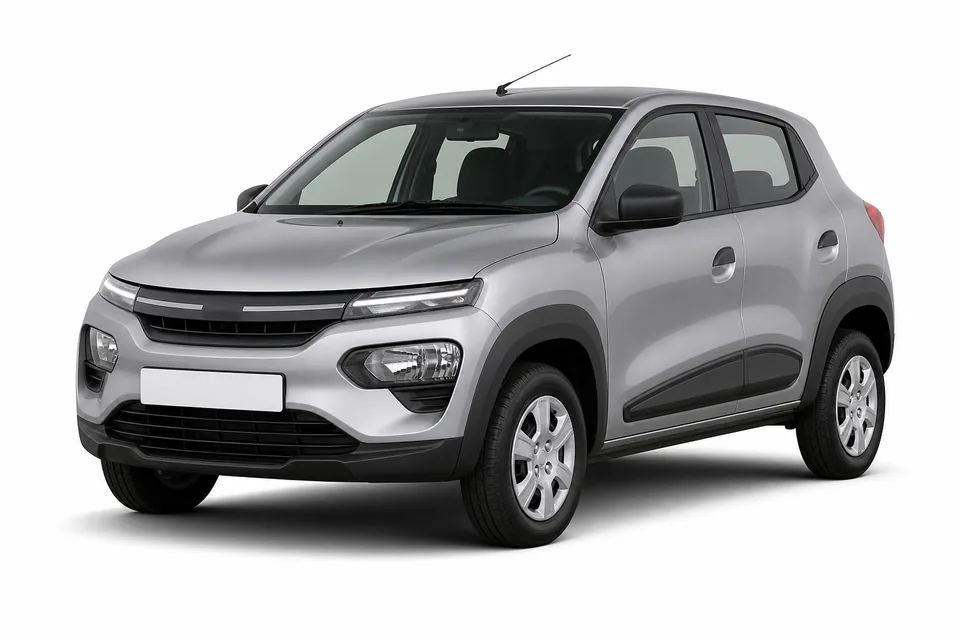
- The only engine the Kwid has ever had here, so the year is the variable, not the motor
- The Kwid’s is the 1.0 SCe, and local reviews rate it below the unit in the Triber and Kiger — so we do not treat the three as one part family without checking
Priced against your VIN, because two of these that look identical often are not.
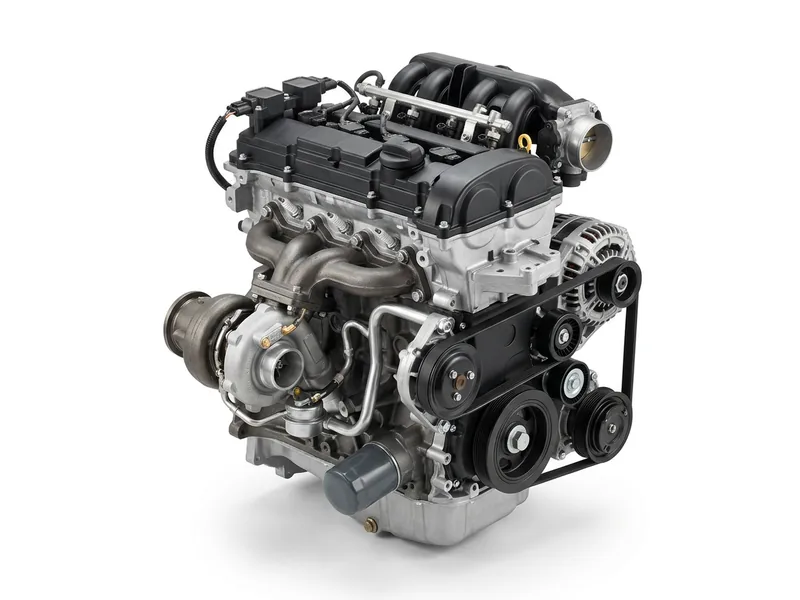
1.0 turbopetrol three-cylinder
HR10DET
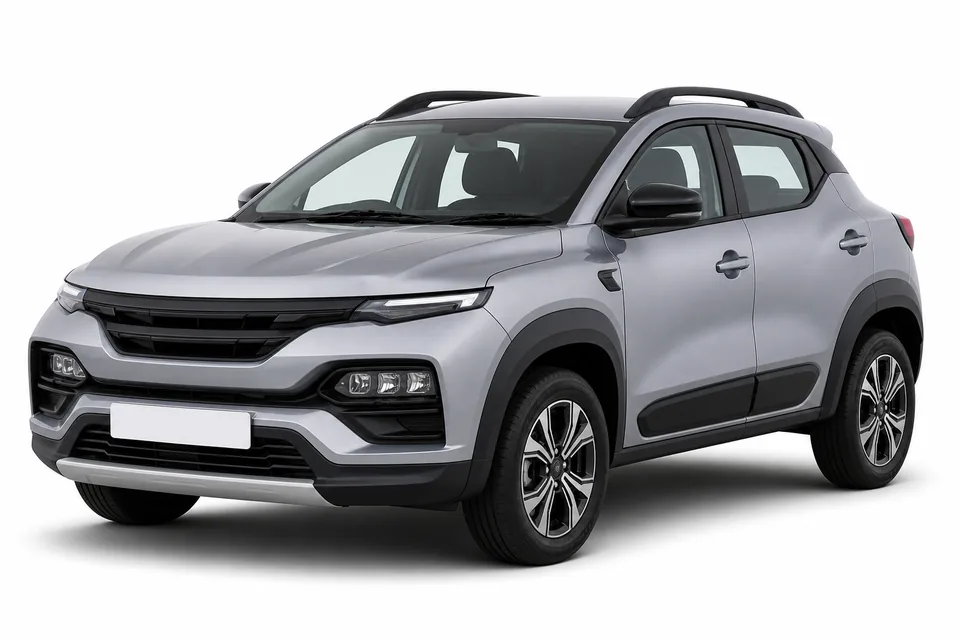
- cars.co.za records this as the same unit fitted to the Nissan Magnite
- On the Kiger it is the turbo car only — the CVT never sat behind the naturally aspirated engine
- A local title naming an engine code and the other cars it went into is rare, and it widens where we can look
Priced against your VIN, because two of these that look identical often are not.
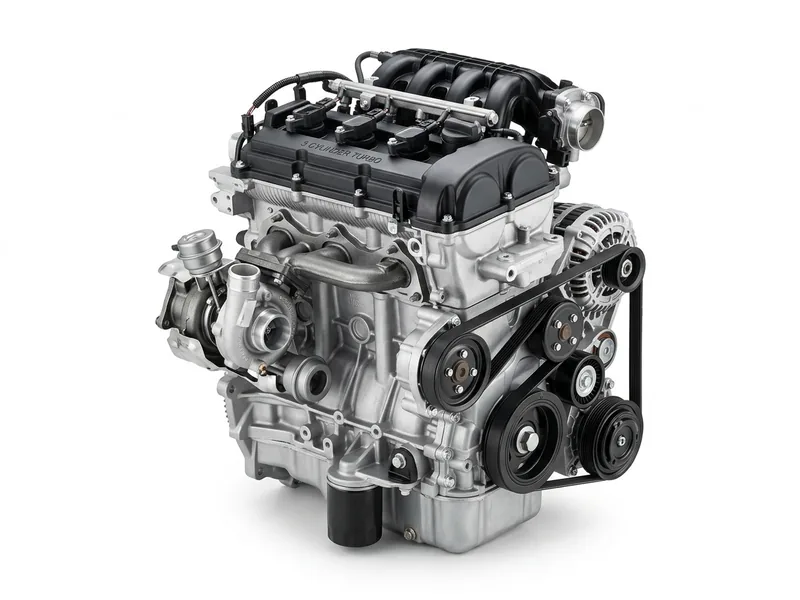
0.9 turbopetrol three-cylinder
0.9 TCe · 898 cm³
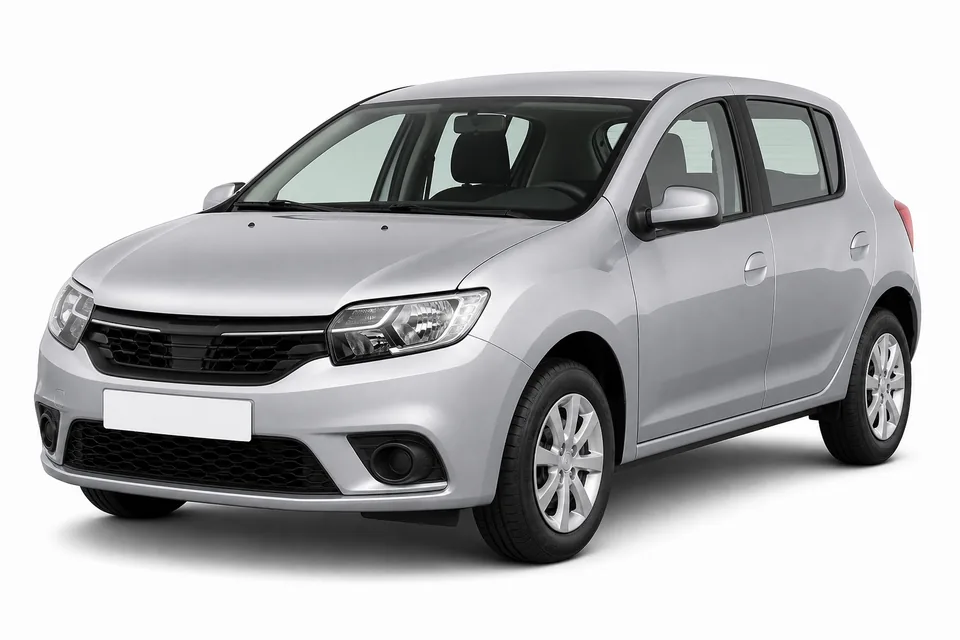
- The single powertrain in every SA second-generation Sandero, for the model’s whole life
- Timing chain is the known weak point — sludge drops oil pressure and the tensioner runs on oil pressure
- cars.co.za reports the chain trouble turning up more on the Clio IV than the Sandero, same engine either way
Priced against your VIN, because two of these that look identical often are not.
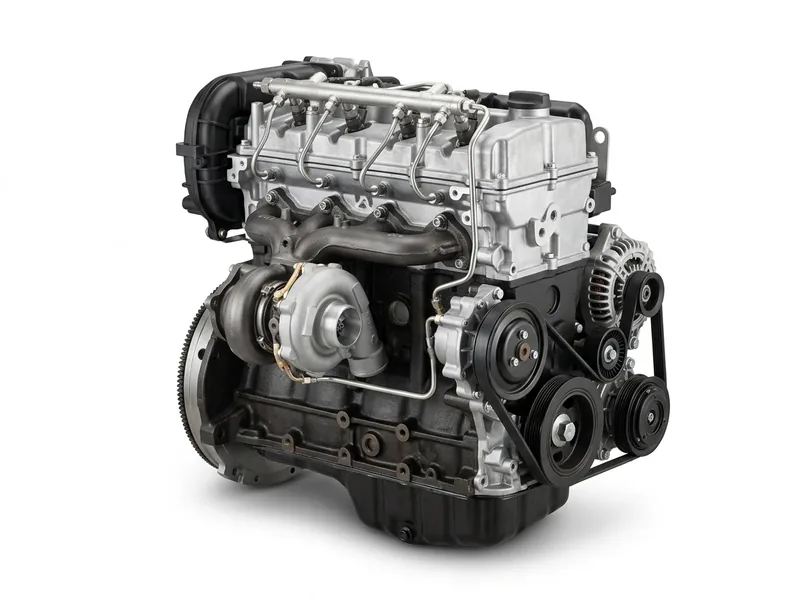
1.5 dCi turbodiesel
K9K
- A cambelt engine, not a chain — unknown belt history is a cost to assume, not a risk to hope about
- SA suppliers catalogue the K9K as front-starter and back-starter versions, listed separately
- That split is trade practice rather than a factory designation, but it decides whether the unit drops in
Priced against your VIN, because two of these that look identical often are not.
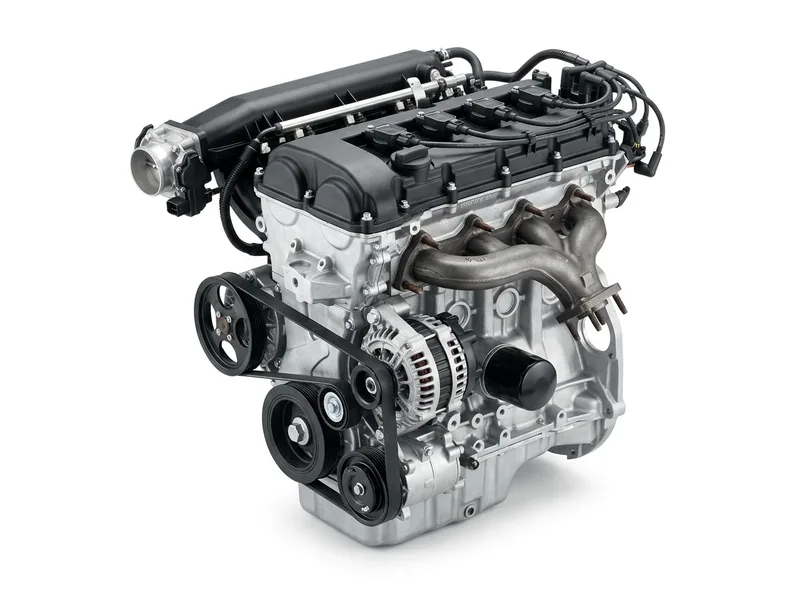
1.6 16V four-cylinder petrol
1.6 16V
- One of the few four-cylinder petrols in the local Renault range — the three-pots are the rule here
- Not the same state of tune across the two Duster generations, so "a 1.6 Duster engine" is not one item
- Dropped from the Duster range at the November 2021 facelift
Priced against your VIN, because two of these that look identical often are not.
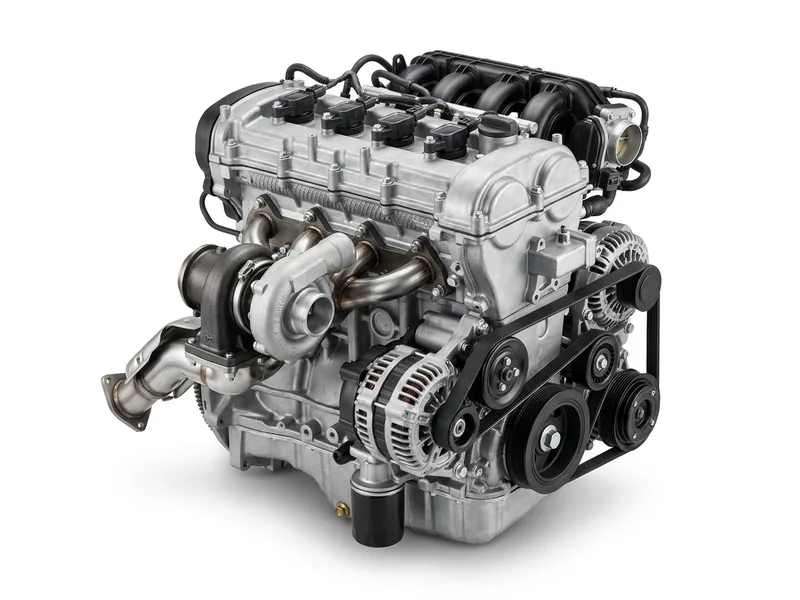
1.2 turbopetrol four-cylinder
1.2 TCe
- Shared between the Clio IV and the Captur, which sit on the same B platform
- On a pre-facelift Captur this engine was dual-clutch only, so engine and gearbox are one choice
- The Kadjar version is the one that carried the seven-speed EDC
Priced against your VIN, because two of these that look identical often are not.
There is no price on the cards above, deliberately. A used unit is priced on the donor vehicle it came out of, so the honest answer only exists once we know which car yours is — which is why every button here asks for your details rather than showing you a number we made up. There is a guide to what these go for further down the page, gathered from other South African sellers.
Renault Engine Price Guide
The variants below are the ones that come up most on South African cars, with what other local sellers are asking for each. Work out which row is yours and the enquiry gets a great deal quicker.
| Variant | What it goes in | Typical asking price |
|---|---|---|
| 1.0 SCe | Naturally aspirated three-cylinder petrol in the Kwid, Triber and naturally aspirated Kiger. The Kwid has run this and nothing else since launch. | R14 500 – R21 500 |
| HR10DET 1.0 turbo | Turbopetrol three-cylinder in the Kiger Turbo and the Clio V. cars.co.za records the same unit in the Nissan Magnite. | — |
| 0.9 TCe (898 cm³) | Turbopetrol three-cylinder in the second-generation Sandero and Stepway, the Clio IV and the Captur. The only engine the SA Sandero ever had. | R28 900 – R38 400 |
| 1.2 TCe | Turbopetrol four-cylinder in the Clio IV, the Captur and the Kadjar. Frequently paired with a dual-clutch rather than a manual. | R13 000 – R21 500 |
| 1.6 turbopetrol (RS) | Clio IV RS 200 only, including the Lux, Cup, Trophy and RS 18 cars. Treat as a separate range — very little of it is shared with an ordinary Clio. | — |
| K9K 1.5 dCi | Turbodiesel in both used-market Duster generations and in the Captur from August 2016. Ask a seller whether the unit is front-starter or back-starter. | R22 500 – R35 000 |
| 1.6 16V | Naturally aspirated four-cylinder petrol in the Duster, in two different states of tune across the generations. Gone from the range after November 2021. | R13 500 – R24 500 |
| 2.5 naturally aspirated | Second-generation Koleos, and the one engine it was offered with locally. cars.co.za describes it as the same unit as in the Nissan X-Trail range. | — |
| 2.0 dCi | First-generation Koleos, the X-Trail-derived car. A different vehicle entirely from the second-generation Koleos, not a facelift apart. | R21 500 – R35 000 |
| 1.9 dCi | Scenic II, sold here 2004 to 2009 as the Navigator and Prestige. The thinnest parc on this site — ask us before you spend time hunting. | — |
Checked September 2026. Asking prices from other South African sellers for used units — a guide to the market, not a quote from us. A dash means we could not find two independent sellers advertising that variant, so we have not guessed.
Not sure which row you are? Send the VIN and let us work it out.
Engines, explained
Two questions decide whether a used Renault engine is a good buy, and the person selling it usually cannot answer either. What killed the car it came out of, and what was the service history like.
The second one matters more than people expect on this range. On the 0.9 and 1.0 three-cylinder petrols, the timing chain is the known weak point, and cars.co.za is specific about the mechanism: if the oil has not been changed regularly, sludge builds up and drops the oil pressure — and the chain tensioner is run by oil pressure. So a neglected three-cylinder is not just a tired engine, it is an engine with a timing failure queued up in it. The guide also notes the problem turned up more often on the Clio IV than the Sandero, which are the same engine in different cars.
The 1.5 dCi is a different animal. It is a cambelt engine, and cars.co.za puts the belt change on the second-generation Duster at four years or 90 000 km. An unknown belt history on a diesel is a cost you should assume, not a risk you should hope about.
One local quirk worth knowing if you are shopping around: South African engine suppliers list the 1.5 dCi in front-starter and back-starter versions as separate items. That is trade practice reflecting a real fitment difference, not a manufacturer catalogue distinction, but it means "a K9K" is not a complete description of what you are buying.
How you know engines are on the way out
Recognise any of that? Tell us the model and year and we will go and check what we can get hold of for you.
Why two identical-looking Renaults take different engines
Most Renaults on South African roads are three-cylinder cars: the 0.9 turbopetrol in the Sandero, Clio and Captur, and the 1.0 in the Kwid, Triber and Kiger. The four-cylinder cars are the exception here, not the rule. There is a second split underneath that one — the three-cylinder petrols run timing chains and the 1.5 dCi runs a cambelt — and it changes what a repair costs.
In plain terms, the call you have to make is which of two quite different engine families you are actually buying for — a three-cylinder or a four-cylinder — and the model name on the boot lid is not enough information to make it.
Include the engine code off the plate, or the VIN if you cannot find it when you ask us about engines. Two questions up front beats a part that has to be couriered back.
Buying a used Renault engine in South Africa
The useful question is never "what does a Renault engine cost". It is "which engine family is in the car", because that is what actually moves the number. Most Renaults on South African roads are three-cylinder cars — the 0.9 turbopetrol in the Sandero, Clio and Captur, the 1.0 in the Kwid, Triber and Kiger — and a three-pot shares almost nothing with the 1.6 petrol or the 1.5 dCi. Send the engine code off the plate, or the VIN if the plate has gone, and the guesswork stops there.
Underneath that split sits a second one that decides what a repair costs: the three-cylinder petrols run timing chains and the 1.5 dCi runs a cambelt. On the chain engines the failure has a documented cause rather than being bad luck — sludge from missed oil changes drops the oil pressure, and the chain tensioner is the thing that runs on oil pressure. So a neglected three-cylinder is not simply a tired engine, it is an engine with a timing failure queued up in it. If yours is rattling on cold start and quietening after a few seconds, that is the noise, and it is worth pricing a head alongside the engine before you decide which way to go.
Two failures are worth quoting together rather than separately, because they tend to arrive together. On the second-generation diesel Duster, cars.co.za reports turbo failures and clogged particulate filters as far from uncommon — so if the engine has gone and the turbo was implicated, quote both at once rather than paying carriage twice. The same logic applies to the known local weak point at the other end of the range: cars.co.za records the plastic thermostat housing on the three-cylinder cars warping over time and leaking, and a leak at the top hose on one of these is often the housing rather than the hose, which makes it a cooling system job as much as an engine one.
One last thing that catches people out, and it is the reason we ask what the car is before we quote anything. An engine is not a self-contained purchase on these cars. On a pre-facelift Captur the 1.2 turbopetrol was dual-clutch only until August 2017, so the engine and the gearbox are effectively one decision on that car rather than two. Tell us the model, the year, the derivative and whether there is a clutch pedal, and we will price the combination that actually goes in.
Related: Renault engine parts
Further reading on engines
Independent sources, not ours. Worth a look if you want the background before you enquire.
Engines — the questions we field most
Ready to talk engines?
Give us the VIN, or the model and year if the VIN is out of reach. We match the unit to your Renault first, then come back with the price and the carriage in one go.