
Renault Engine Parts
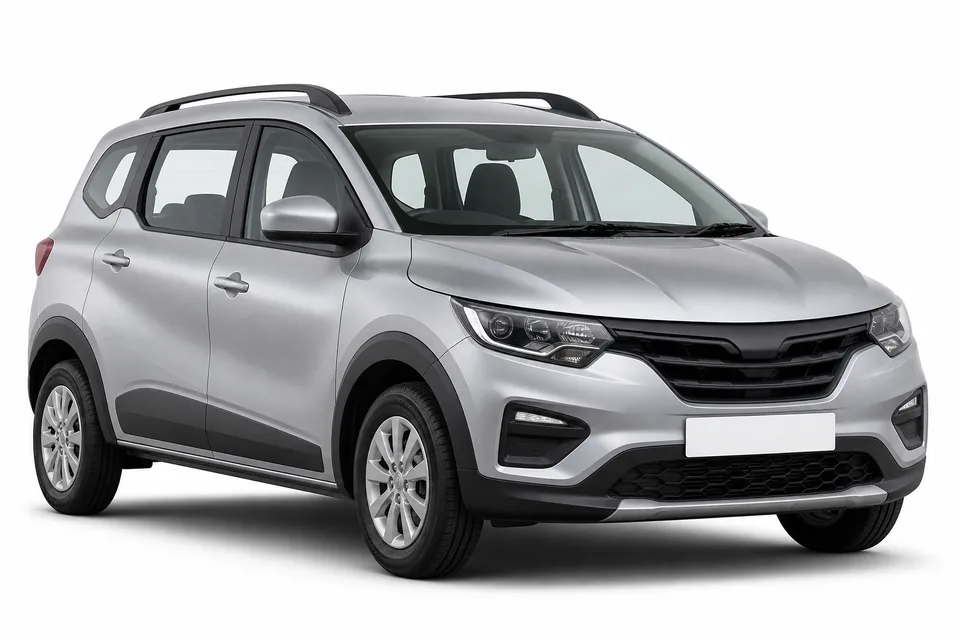
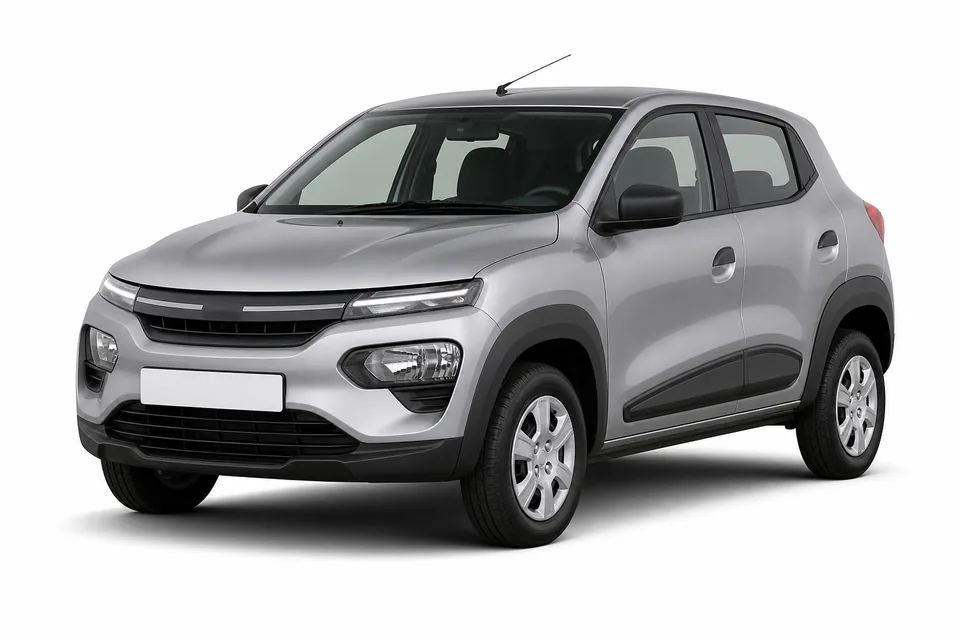
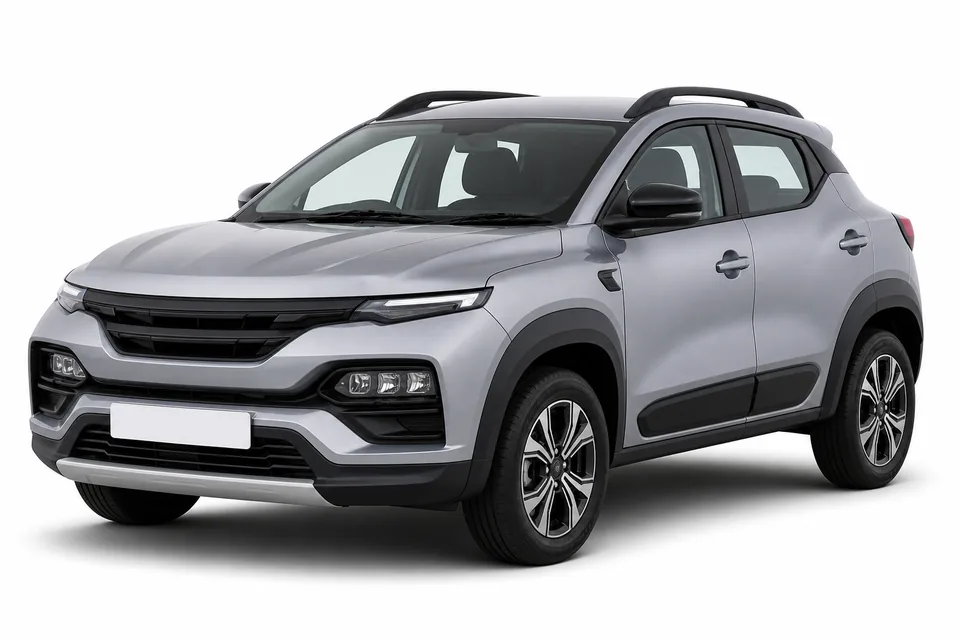
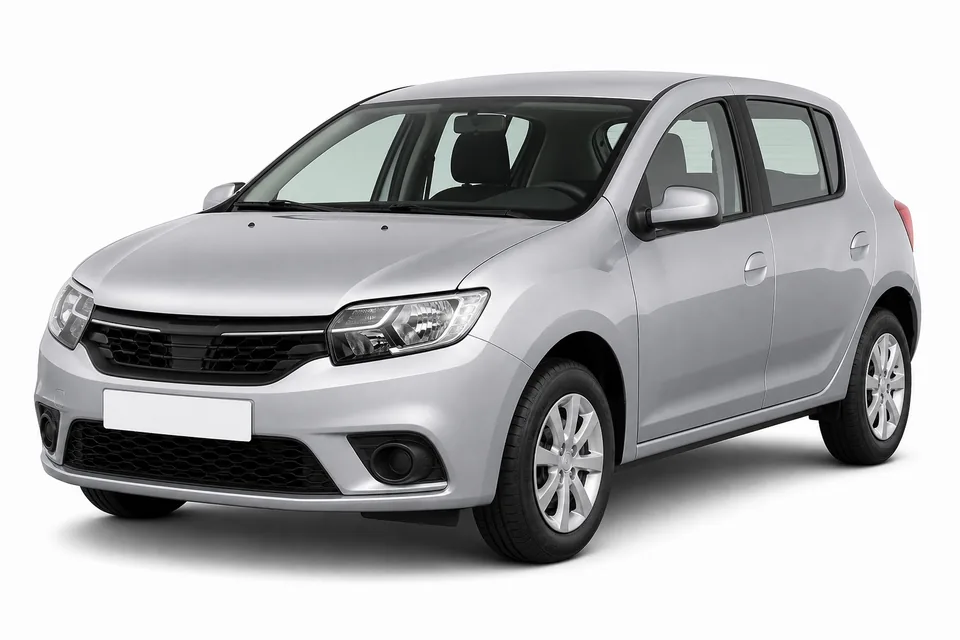
Most of the Renaults on South African roads today are three-cylinder cars — the 0.9 turbopetrol in the Sandero, Clio and Captur, the 1.0 in the Kwid, Triber and Kiger. That matters when you are buying engine parts second-hand, because a three-pot shares almost nothing with the 1.6 petrol or the 1.5 dCi. Tell us which one you have and we will work from there.
- Trade counter at 89 Chris Hani Road, Briardene
- Collect from the counter, or courier with the carriage in the quote
- Price, condition and fitment settled on a written quote
Engine Parts, explained
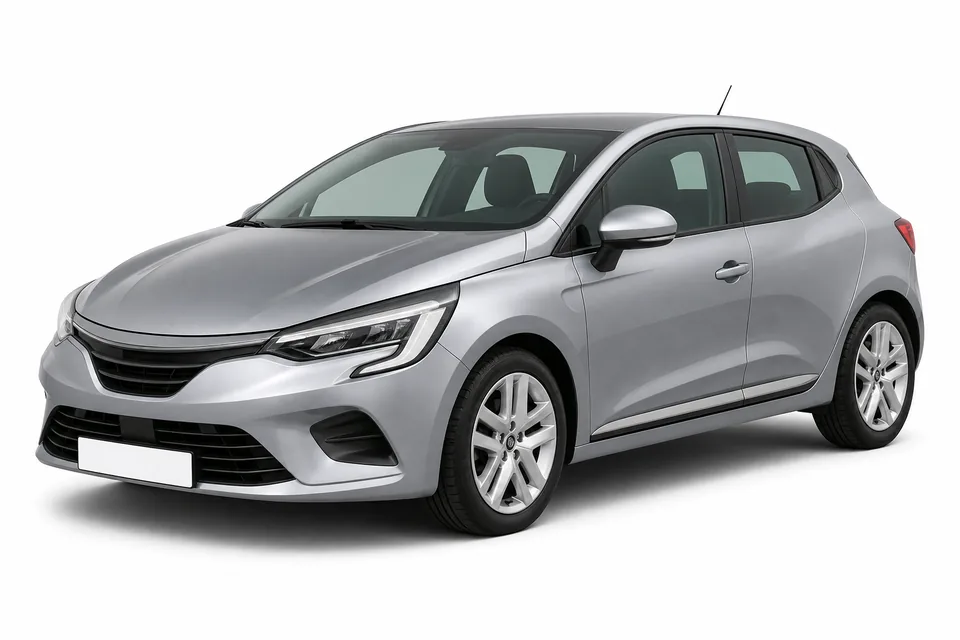
Renault's South African line-up is unusual in one respect that matters enormously when you are buying engine parts: most of the cars on our roads are three-cylinder. The 0.9-litre turbopetrol ran in the Sandero, the Clio IV and the Captur. The 1.0-litre three-pot, turbocharged or not, runs in the Kwid, the Triber and the Kiger. Between them that is the bulk of the local parc.
The four-cylinder cars are the exceptions rather than the rule
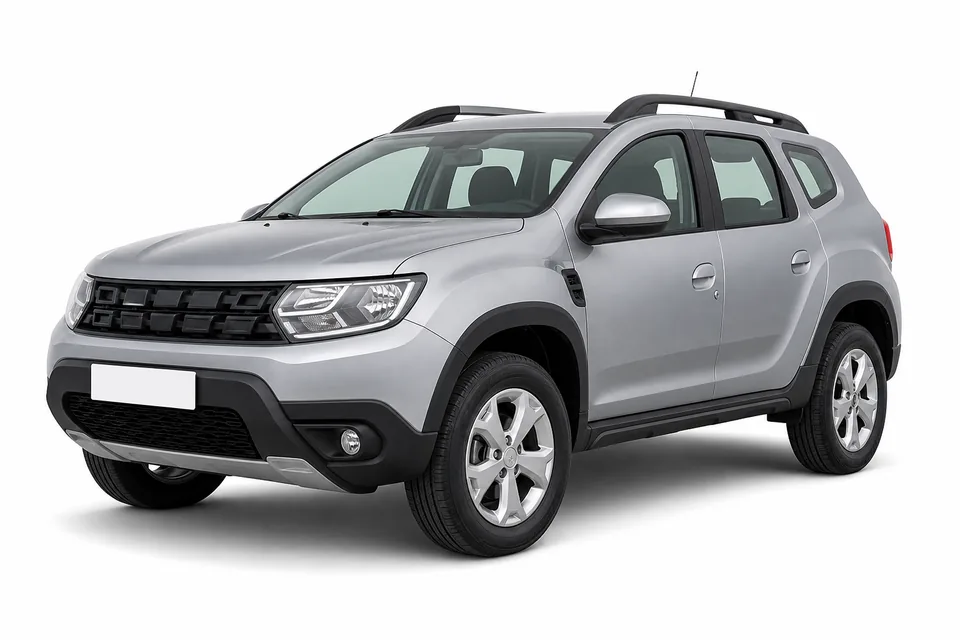
The four-cylinder cars are the exceptions rather than the rule — the 1.6 petrol in the Duster, the 1.5 dCi turbodiesel, the 2.5 in the Koleos, the 1.2 and 1.3 turbopetrols. None of them shares much of anything with a three-cylinder, and three-cylinder parts do not become four-cylinder parts because the badge on the boot is the same.
There is a second split underneath that one, and it decides what a repair costs. The three-cylinder petrols are timing-chain engines. The 1.5 dCi is a cambelt engine. cars.co.za's Clio IV guide traces the chain problem to oil neglect: sludge drops the oil pressure, and the chain tensioner runs on oil pressure. So on a chain car, a poor service history is not a footnote — it is the main thing to know about the engine you are considering.
When you enquire, the single most useful thing you can send us is the engine code
When you enquire, the single most useful thing you can send us is the engine code off the plate or the VIN. Model and year narrow it. The code settles it.
How you know engine parts are on the way out
Recognise any of that? Tell us the model and year and we will go and check what we can get hold of for you.
Why two identical-looking Renaults take different engine parts
Strip away the catalogue language and what you are actually choosing between here is which of two quite different engine families you are actually buying for — a three-cylinder or a four-cylinder.
Most Renaults on South African roads are three-cylinder cars: the 0.9 turbopetrol in the Sandero, Clio and Captur, and the 1.0 in the Kwid, Triber and Kiger. The four-cylinder cars are the exception here, not the rule. There is a second split underneath that one — the three-cylinder petrols run timing chains and the 1.5 dCi runs a cambelt — and it changes what a repair costs.
So we price engine parts against your specific car, not against a badge. Send through the engine code off the plate, or the VIN if you cannot find it, and we will come back to you on what fits — whether yours is one of the small hatches, the SUVs, or one of the commercials , what it will cost, and how soon we can have it moving.
Engine Partswe source
Further reading on engine parts
Independent sources, not ours. Worth a look if you want the background before you enquire.
Engine Parts — what customers usually ask
Which Renault engine is the most reliable?
We are not going to pick one, because we have not seen a South African survey that ranks them and we are not repeating a foreign one as if it were local. What the SA motoring press does document is more useful than a ranking anyway: cars.co.za reports timing-chain wear on the 0.9 three-cylinder and says it turned up more often on the Clio IV than the Sandero, and it reports turbo failures and clogged particulate filters on the 1.5 dCi. Both of those are maintenance-driven rather than design faults. A well-serviced example of either is a better bet than a neglected example of the other.
What are the common problems with Renault cars in South Africa?
Taking only what South African publications actually report: worn or failed timing chains on the 0.9 three-cylinder; a plastic thermostat housing that warps and leaks coolant, generally past 100 000 km; starter-motor failures described as local instances on the Sandero; turbo failures and DPF clogging on the 1.5 dCi Duster; EDC dual-clutch faults on the Captur; and rust on early first-generation Dusters at the tailgate hinges, A-pillars, rain gutters and door sills. That is a list of specific things to check, not a verdict on the brand.
Do I need the engine code, or is the model and year enough?
Model and year get us close. The code gets us right. A 2016 Clio could be a 1.2 naturally aspirated, a 0.9 turbo or a 1.2 turbo, and those are three different parts catalogues. The code is stamped on the engine and appears on the vehicle licence disc paperwork; if you cannot find it, send the VIN and we will work back from that.
Can I fit a part from a Nissan or a Dacia to my Renault?
Sometimes, and it is worth asking, but not on the basis of a shared platform. Sharing a platform is not the same as sharing a part. Where a South African source states an actual engine is shared we will say so — cars.co.za describes the Clio V's turbo 1.0 as shared with the Kiger and the Nissan Magnite, and says the Koleos uses the same 2.5 as the Nissan X-Trail. Beyond claims like those, we check the specific part rather than reason from the badge.
Is a used engine part a false economy?
On some parts, honestly, yes — and we will tell you when we think so. A cheap wear item is usually better bought new. Where used earns its money is on assemblies that are expensive new and do not wear out so much as get destroyed by something else: heads, blocks, complete engines, turbos. Those come off cars written off for accident damage with plenty of life left in the mechanicals.