


Renault Electrical
Electrical faults are what Renault gets a reputation for, fairly or not, and a used electrical part is the one most likely to arrive correct and still not work — because it is coded, or because the trim it came off had a different loom. Batteries, alternators and starters are straightforward. Body computers and ECUs are not. We tell you which side of that line your part sits on before you pay for it.
- Trade counter at 89 Chris Hani Road, Briardene
- Collect from the counter, or courier with the carriage in the quote
- Price, condition and fitment settled on a written quote
Electrical, explained
Renault has a reputation for electrical trouble. It is worth separating what is actually documented from what is repeated in car-park conversation, because the two are not the same and the difference decides what you should go and check.
What South African sources report is quite specific
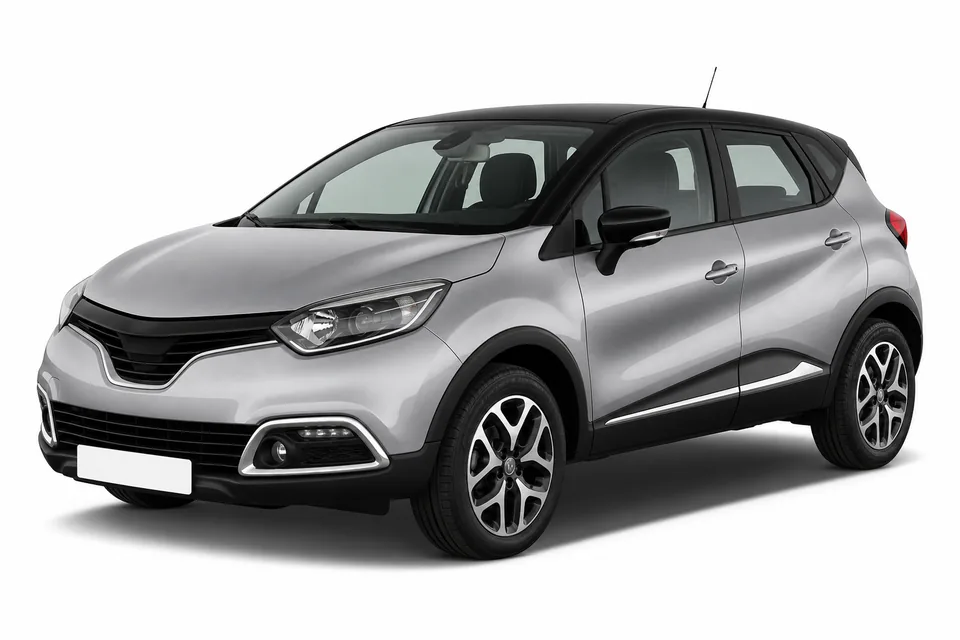
What South African sources report is quite specific: cars.co.za notes starter-motor failures as local instances on the second-generation Sandero, a failing fuel-sensor unit on the same car and on the Clio IV, and stop-start problems on early Capturs. From the United Kingdom, where the fleet is bigger and surveyed properly, What Car? reports that owners of the 2013-2019 Captur reported non-engine electrical faults the most, notably with the sat-nav and air-con systems and their controls — and it places that Captur mid-table among small SUVs rather than at the bottom.
We are not quoting the score, because the article does not name which year's survey produced it, and an undated ranking is not a number worth repeating.
For buying used parts
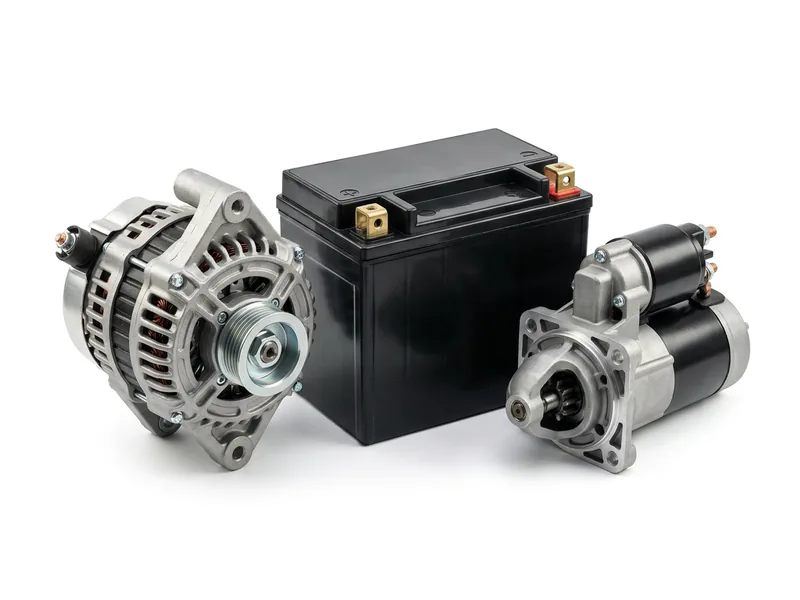
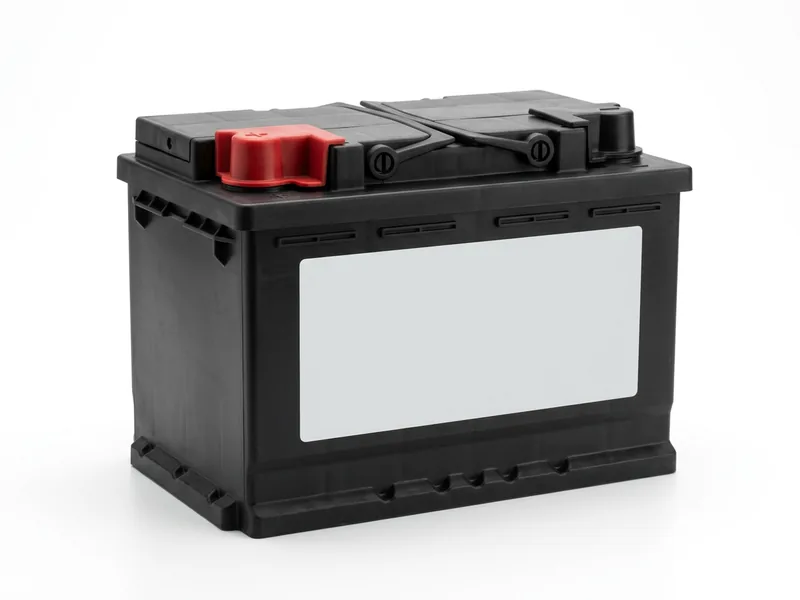
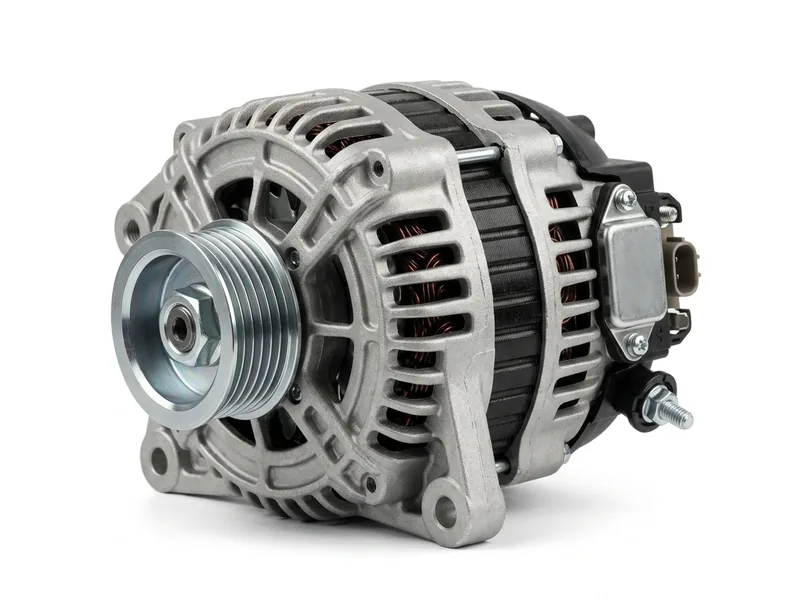
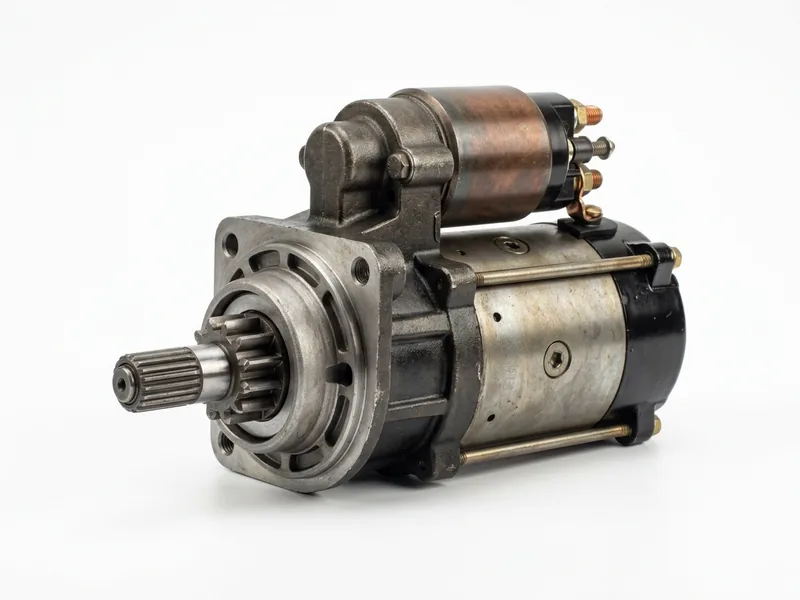
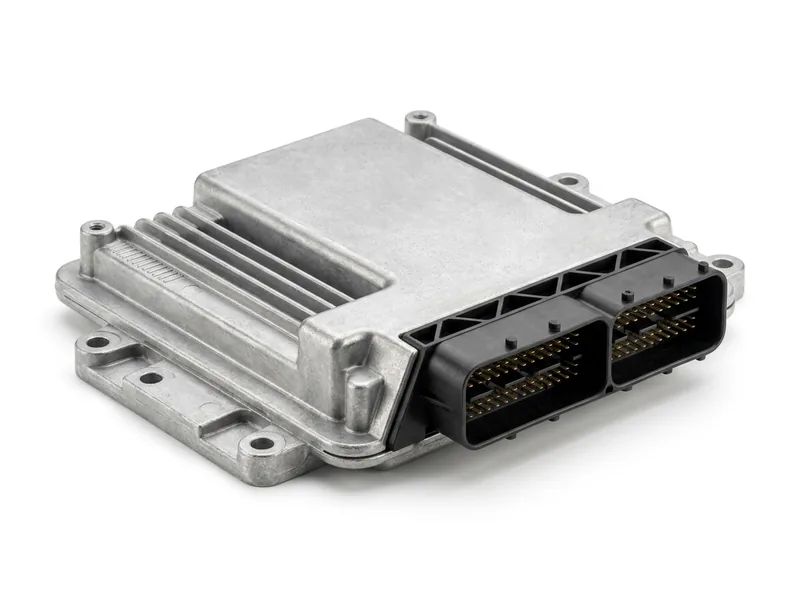
For buying used parts, the practical division is between things that are genuinely plug-and-play and things that are not. Alternators, starters and batteries are straightforward. Body computers, ECUs, instrument clusters and anything tied to the immobiliser generally need coding to your car, and sometimes cannot be transferred at all.
One more thing, because it applies to almost every electrical enquiry we take: earths and connectors cause a huge share of faults that get blamed on components. Before condemning anything expensive, have someone check the earth straps and the connectors. It is the cheapest test available and it is right more often than people expect.
How you know electrical are on the way out
Recognise any of that? Tell us the model and year and we will go and check what we can get hold of for you.
The questions we ask before we price electrical
Alternators, starters, batteries, motors and switches go straight on. Anything carrying the car's identity does not — which is why South African sellers list Renault ECUs two ways, as a bare computer box or as a complete set with the key and immobiliser, and price them as two different products. That split is the clearest evidence available that the box is paired to the car it came out of.
In plain terms, the call you have to make is whether the part you need is genuinely plug-and-play or has to be coded to your car — and the model name on the boot lid is not enough information to make it.
Include the VIN, and whether your workshop can code a unit to the car when you ask us about electrical. Two questions up front beats a part that has to be couriered back.
Electricalwe source

Further reading on electrical
Independent sources, not ours. Worth a look if you want the background before you enquire.
Electrical — what customers usually ask
What are the common electrical problems on a Renault Clio?
Be careful how widely you read this. The UK write-up we can point to scopes it specifically to the Mk3 — some Clio Mk3 owners experience intermittent electrical issues such as warning lights appearing for no apparent reason, central locking quirks, or minor cabin electrics playing up. The Mk3 is the 2005-2012 car, so it is the oldest of the three generations that article covers and not the one South Africa has most of. For the Clio IV, the South African source we have names a failing fuel-sensor unit among reported reliability issues. We would treat intermittent electrical symptoms on any of them as a wiring, connector or earth investigation first, and a component replacement second.
Are Renault electrics really that bad?
Not on the evidence we can actually point to. The What Car? reliability data for the 2013-2019 Captur does say non-engine electrical faults were the most-reported category for that car — but it finished mid-table among small SUVs in that survey, not at the bottom, which is not the profile of a badly built car. We have deliberately not quoted the percentage: the article does not say which year's survey it comes from, and an undated score is exactly the kind of figure that goes stale and gets repeated anyway. What is fair to say is that electrical faults are the most common fault type on that model, and that they tend to be intermittent — which makes them frustrating to chase and easy to misdiagnose.
Which used electrical parts will just fit and work?
As a rule of thumb: alternators, starter motors, batteries, switches, motors, relays, lamps and most sensors are direct-fit items. Anything with the car's identity written into it — the engine ECU, the body control module, the immobiliser, in many cases the instrument cluster — is not. We will tell you which side of that line your part sits on when we quote, rather than after you have fitted it.
Why do my electrical faults get worse when it rains?
Because water is finding a connector or a loom that it should not reach. On some early first-generation Dusters, cars.co.za reports a channel in the underbody that let water drain into the rear footwells — and a wet footwell is exactly where a control module or a loom connector sits on a lot of cars. Blocked scuttle drains do the same thing under the windscreen. Wet-weather electrical faults are a drainage investigation before they are an electrical one.
My battery keeps going flat. Is it the battery or something else?
Three candidates: the battery itself, the charging system, or a parasitic drain from something that is not switching off. They are told apart by measuring, not by guessing. A charged battery that drops over days points at a drain; a battery that goes flat while driving points at the alternator; a battery that will not hold a charge overnight after a full charge is probably done. Any auto-electrician can separate the three in under an hour.