




Renault Cylinder Heads For Sale
Eight valves or sixteen, one camshaft or two — that is what separates two Renault heads of identical capacity, and it is the first thing we need to know.
Used and reconditioned units, identified from your VIN before we quote.
- Matched to your VIN
- Terms set on the quote
- Collection or courier
Checked, not just shifted
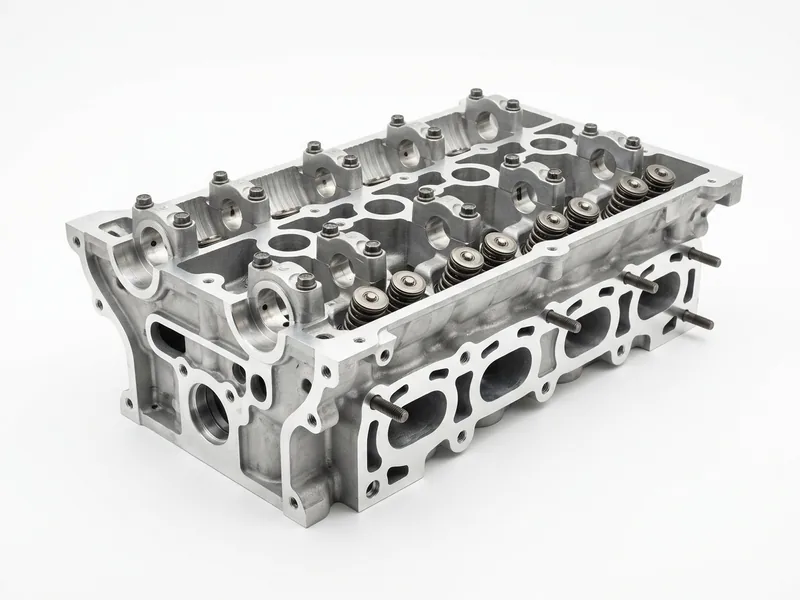
Used units get inspected before they are offered to you, and anything reconditioned has had the work done and documented.
Terms in writing
Cover varies by unit and by condition, so we set it out on the quote rather than making a blanket promise on a web page.
Collect it or have it sent
Collection is from our Briardene counter in Durban North. If you would rather it came to you, say where you are and the carriage goes on the quote before you commit to anything.
Renault cylinder heads by valve count and cam layout
Capacity does not identify a head. The number of valves and the number of camshafts does. Find yours below, or send the engine code and we will place it for you.
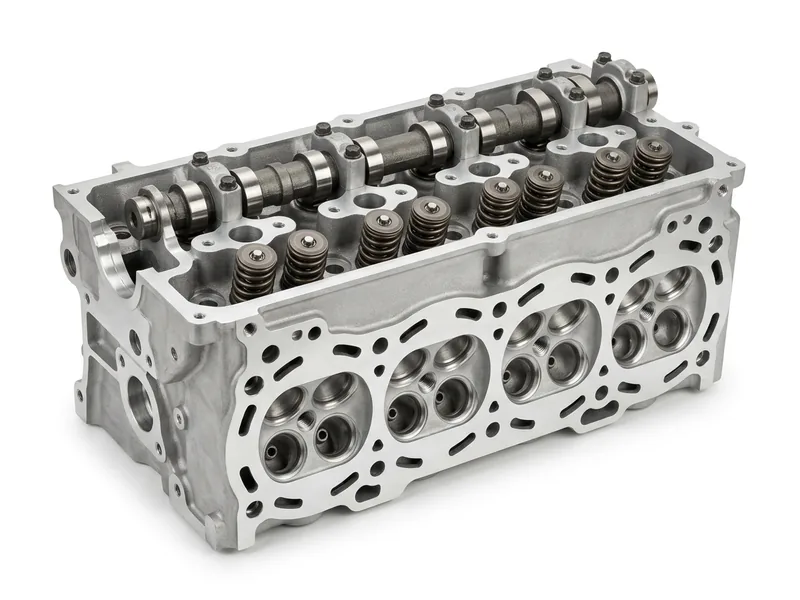
Eight-valve head — 1.5 dCi
K9K
- One camshaft, eight valves, an aluminium casting sitting on a cast-iron block
- The cam drive is a belt, so the head coming off means the belt comes off with it
- The easiest of these five to find second-hand — six unconnected SA sellers were advertising one in August 2026
Priced against your VIN, because two of these that look identical often are not.
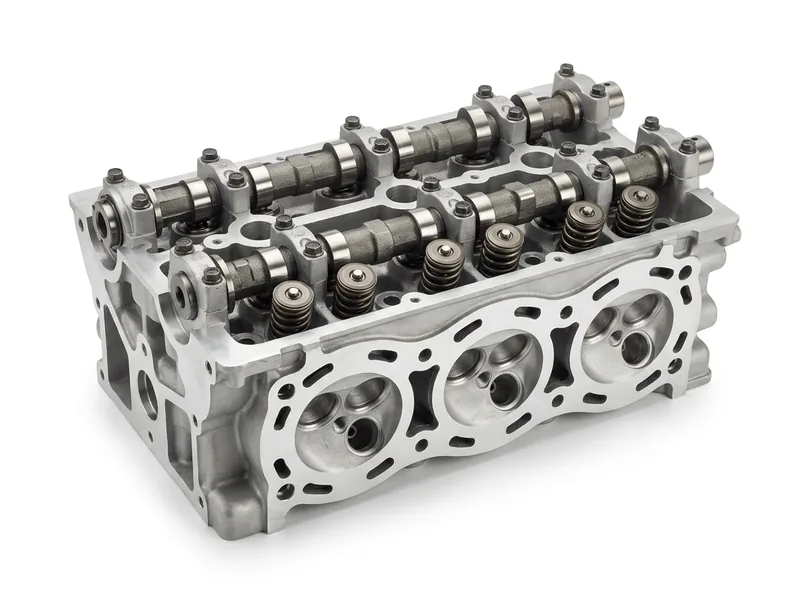
Twelve-valve head — 0.9 turbopetrol
0.9 TCe
- Two camshafts, twelve valves across three cylinders, with variable timing on the intake cam
- Aluminium head on an aluminium block, and a chain rather than a belt driving it
- cars.co.za records the plastic thermostat housing on these three-cylinder cars warping and leaking — the documented local route to a cooked head
Priced against your VIN, because two of these that look identical often are not.
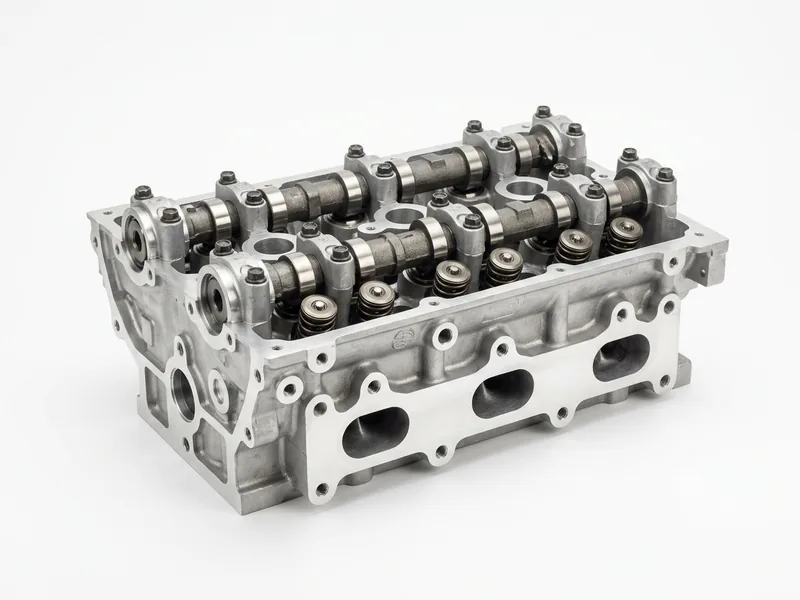
Three-cylinder head — 1.0 naturally aspirated
1.0 NA
- Naturally aspirated, and one engine across the Kwid’s entire local life — so on that car the build year moves the search, not the motor
- The one head on this page we will not put a valve count on: the local coverage we can source calls it a 1.0 three-cylinder and stops there
- Four or five SA sellers had one in August 2026, and one of those adverts is a brand-new casting rather than a used head
Priced against your VIN, because two of these that look identical often are not.
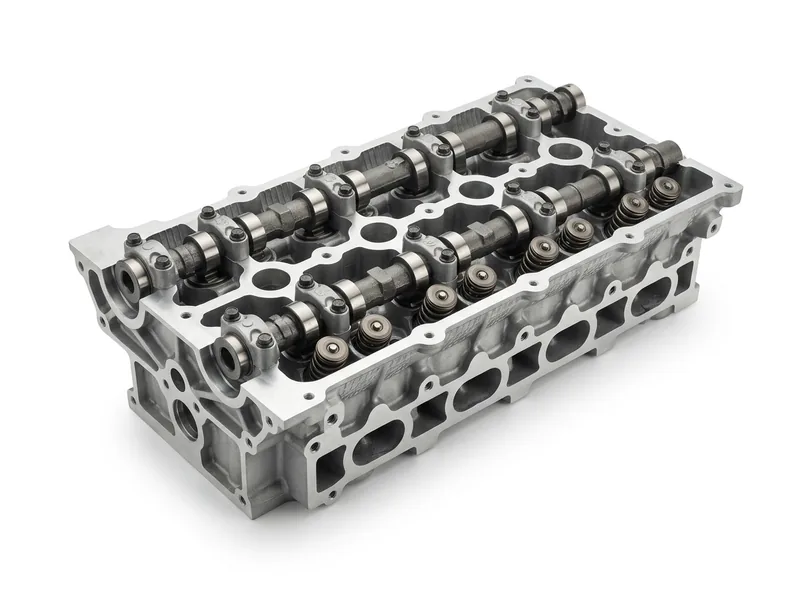
Sixteen-valve head — 1.6 petrol
1.6 16V
- Two camshafts and sixteen valves on a 1 598 cm³ cast-iron block — same capacity as the eight-valve 1.6, an entirely different casting
- cars.co.za lists the Duster petrol as a "1.6 16V", which is the local source that puts a valve count on it at all
- Two sellers found, neither advertising a figure — at this end of the range heads are quoted, not listed
Priced against your VIN, because two of these that look identical often are not.
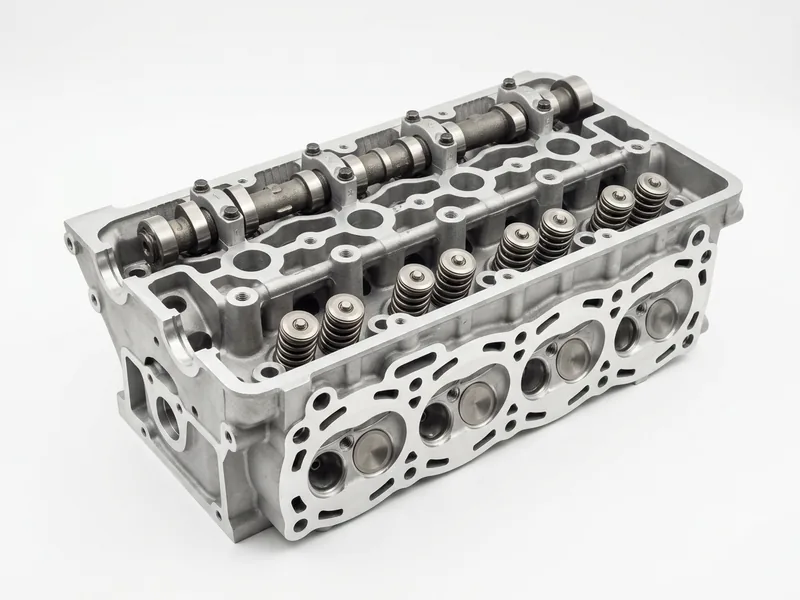
Eight-valve head — 1.6 and 1.4 petrol
1.6 8V
- One camshaft and eight valves on the same 1 598 cm³ cast-iron block the sixteen-valve uses
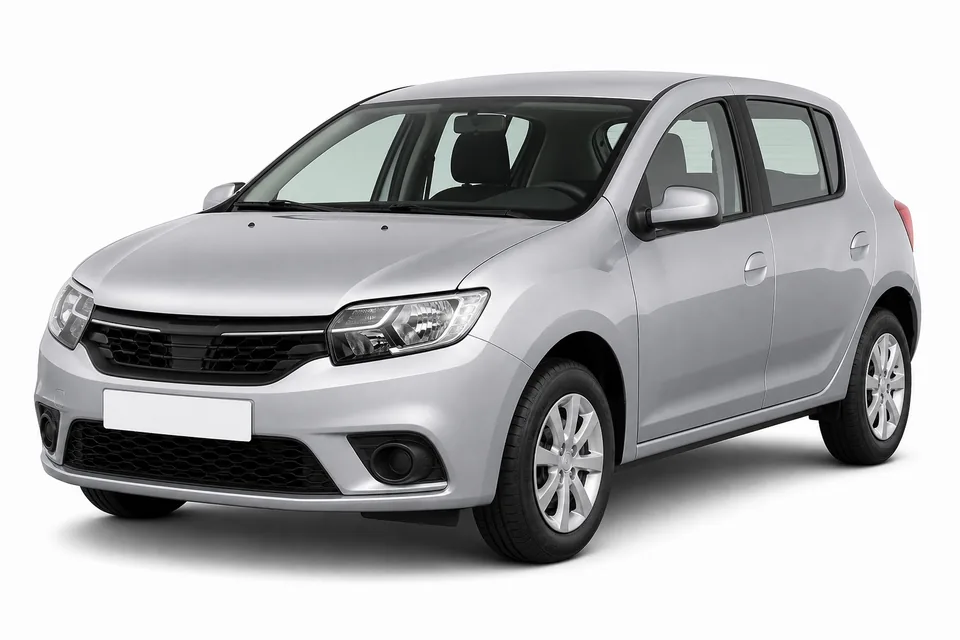
- cars.co.za records the first-generation Sandero as built here at Nissan’s Rosslyn plant, and puts its local range at a 1.4, a 1.6 and a 1.6 Stepway — a real South African parc, unlike most heads this old
- The single advertised figure we found was for a head, block and sump sold together, so it is not a head price and we have not treated it as one
Priced against your VIN, because two of these that look identical often are not.
There is no price on the cards above, deliberately. A used unit is priced on the donor vehicle it came out of, so the honest answer only exists once we know which car yours is — which is why every button here asks for your details rather than showing you a number we made up. There is a guide to what these go for further down the page, gathered from other South African sellers.
Renault Cylinder Head Price Guide
The variants below are the ones that come up most on South African cars, with what other local sellers are asking for each. Work out which row is yours and the enquiry gets a great deal quicker.
| Variant | What it goes in | Typical asking price |
|---|---|---|
| 8-valve · SOHC · 1.5 dCi | The K9K diesel head. Both used-market Duster generations, plus Capturs from August 2016 onward. Belt-driven, aluminium casting over cast iron. | R3 700 – R5 000 |
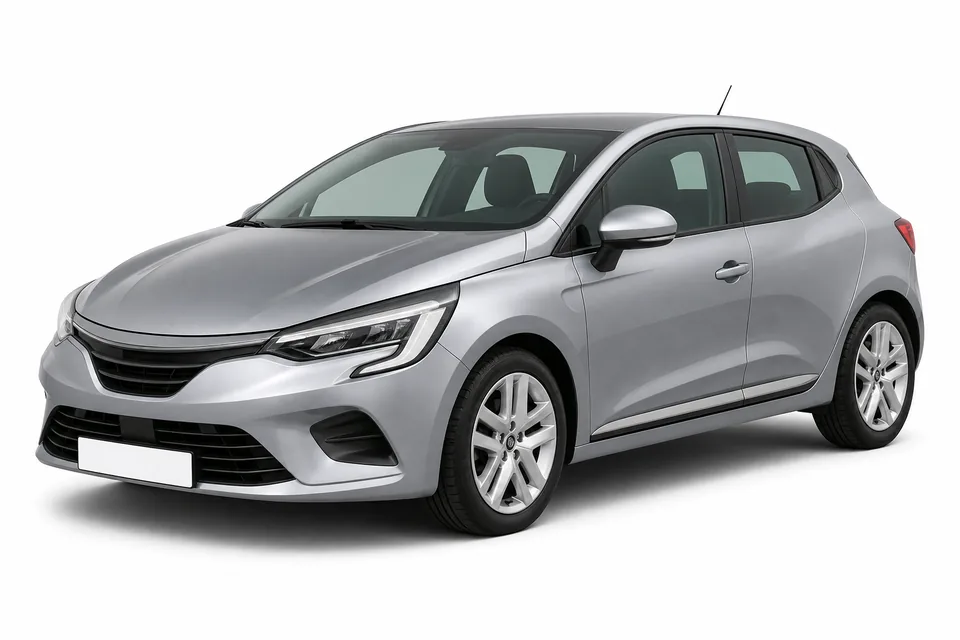
| 12-valve · DOHC · 0.9 | The 898 cm³ turbopetrol head — Sandero and Stepway of the second generation, Clio IV, Captur. Twelve valves across three cylinders, chain-driven, aluminium throughout. | — |
| 1.0 three-cylinder | Kwid, Triber and the naturally aspirated Kiger. The one variant here where we ask for the engine code before saying anything at all about valve count. | R1 650 – R6 500 |
| 16-valve · DOHC · 1.6 | The Duster petrol, which cars.co.za lists as a "1.6 16V". Two camshafts, sixteen valves, 1 598 cm³. Other SA Renaults were sold with a 1.6 — send the code rather than assuming. | — |
| 8-valve · SOHC · 1.6 / 1.4 | The first-generation Sandero, built at Rosslyn. The same 1 598 cm³ as the row above and a completely different head — one camshaft, eight valves. | — |
Checked September 2026. Asking prices from other South African sellers for used units — a guide to the market, not a quote from us. A dash means we could not find two independent sellers advertising that variant, so we have not guessed.
Not sure which row you are? Send the VIN and let us work it out.
Cylinder Heads, explained
A cylinder head very rarely fails by itself. It warps or cracks because the engine got hot, and it got hot because something else let go — a thermostat, a hose, a water pump, a radiator, a fan. So the first thing worth establishing is not which head fits, but what made the last one fail.
On the three-cylinder Renaults that is a more pointed question than usual, because there is a known local candidate. cars.co.za reports that the plastic thermostat housing on three-cylinder models tends to warp over time — generally past the 100 000 km mark — and leak coolant, and its Sandero guide reports the same thing on that car. A slow coolant loss that nobody notices is exactly how an engine ends up needing a head.
Fit a head, leave the housing, and you have bought yourself a repeat performance. We would rather have that conversation before you order than afterwards.
On fitment: heads are engine-specific, not model-specific, and the valve count matters. Send the engine code. If you are unsure whether you need a bare head, a head complete with valves and cams, or a head plus gasket set, tell us who is doing the work and we will match the quote to how they want it.
How you know cylinder heads are on the way out
Recognise any of that? Tell us the model and year and we will go and check what we can get hold of for you.
Choosing cylinder heads for a Renault without guessing
Most Renaults on South African roads are three-cylinder cars: the 0.9 turbopetrol in the Sandero, Clio and Captur, and the 1.0 in the Kwid, Triber and Kiger. The four-cylinder cars are the exception here, not the rule. There is a second split underneath that one — the three-cylinder petrols run timing chains and the 1.5 dCi runs a cambelt — and it changes what a repair costs.
In plain terms, the call you have to make is which of two quite different engine families you are actually buying for — a three-cylinder or a four-cylinder — and the model name on the boot lid is not enough information to make it.
Include the engine code off the plate, or the VIN if you cannot find it when you ask us about cylinder heads. Two questions up front beats a part that has to be couriered back.
Valve count, cam layout, and what actually cooked the last head
Ask for "a 1.6 Renault head" and you have narrowed nothing down. Two of the heads on this page sit on the same 1 598 cm³ block: one carries eight valves and a single overhead camshaft, the other sixteen valves and two. Same capacity, same badge on the boot lid, two different castings with different valve gear and a different arrangement at the front driving it. Capacity is close to the least useful thing you can tell us about a head. The valve count and the number of camshafts are the most useful, and if you do not know those, the engine code off the plate does. That is why this page is arranged by valve count rather than by model — it is the axis the part actually varies on.
The castings are aluminium across the board, and what sits underneath them differs. On the 1.5 dCi and both 1.6 petrols the block is cast iron; on the 0.9 turbopetrol it is aluminium on aluminium. That mix is a large part of why the head is the component that gives when a cooling system fails — two metals bolted together that do not expand at the same rate, with a gasket in between doing the reconciling.
Which brings up the thing worth settling before you order anything, because it decides whether you buy this part once or twice. A head almost never fails on its own. It warps or cracks because the engine got hot, and it got hot because something else let go. On the three-cylinder cars there is a documented local candidate for that: cars.co.za reports the plastic thermostat housing warping over time, generally past the 100 000 km mark, and leaking coolant slowly enough that nobody notices until the gauge climbs. Fit a head onto an unfixed cooling system and you have bought a repeat performance. So price the cooling parts and the water pump in the same enquiry as the head, and if it turns out the head was the symptom of something larger, a complete used engine is sometimes the cheaper end of the same conversation.
What these actually go for, since almost nobody will tell you. In August 2026 the used 1.5 dCi head was the only one advertised widely enough to give a range with any confidence: R3 700 from an engine importer in Goodwood for a Duster head, and R5 000 from a seller in Cosmo City for the same K9K unit out of a Nissan NP200 — which is where the local trade looks for this one, not a promise that it drops straight in. The 0.9 turbopetrol head came up at R2 500 in Diepsloot and R3 000 for a complete head in Pretoria West, with one caveat worth stating: every seller we could find for that head was on Junk Mail and none on Gumtree, so it is a thinner picture than the diesel one. The 1.0 three-cylinder head is the widest spread — R1 650 on the East Rand, R6 000 for a Triber head described as complete, and R6 500 from a supplier in Johannesburg South — and only one of those three adverts says whether it is a bare casting or a complete head, which is most of why the spread looks like that. A fourth 1.0 advert asked R2 700, but it is a brand-new head and marked negotiable, so it does not belong in a used range and we have not put it in one. For the sixteen-valve 1.6 we found no advertised price at all — both sellers quote rather than list. And for the eight-valve 1.6 there was exactly one figure, R7 500, and it was for a head, block and sump sold together, which is not a head price however tempting it is to use as one. Every figure here came off a Gumtree or Junk Mail advert placed by a seller unconnected to us. Prices checked August 2026 — used-part adverts move within weeks, so read them as what the market looked like that month, not as a quote.
Then there is what you are actually buying, because "a cylinder head" is three different purchases. A bare casting is the head on its own, which suits a workshop that has your old one on the bench and will carry the valves, springs and cams over if they measure up. A complete head arrives with the valve gear already in it. And on the belt-driven engines here — the 1.5 dCi and both 1.6 petrols — the cam drive has to come off with the head, so the belt and its tensioner are part of the job rather than a surprise at the end of it. Before you buy anything, have a machine shop skim and pressure-test the old head if it is still there; it is often the cheaper answer and it costs very little to find out. Then tell us the engine code, whether you want it bare or complete, and who is fitting it, and we will quote the one they can actually use.
Related: Renault engine parts · turbochargers
Further reading on cylinder heads
Independent sources, not ours. Worth a look if you want the background before you enquire.
Documents the warping plastic thermostat housing on three-cylinder cars and the mileage it tends to appear at.
Local reporting on the 0.9 engine's timing-chain wear, the other route to an overheated head.
Cylinder Heads — the questions we field most
Ready to talk cylinder heads?
Give us the VIN, or the model and year if the VIN is out of reach. We match the unit to your Renault first, then come back with the price and the carriage in one go.