



Renault Cooling
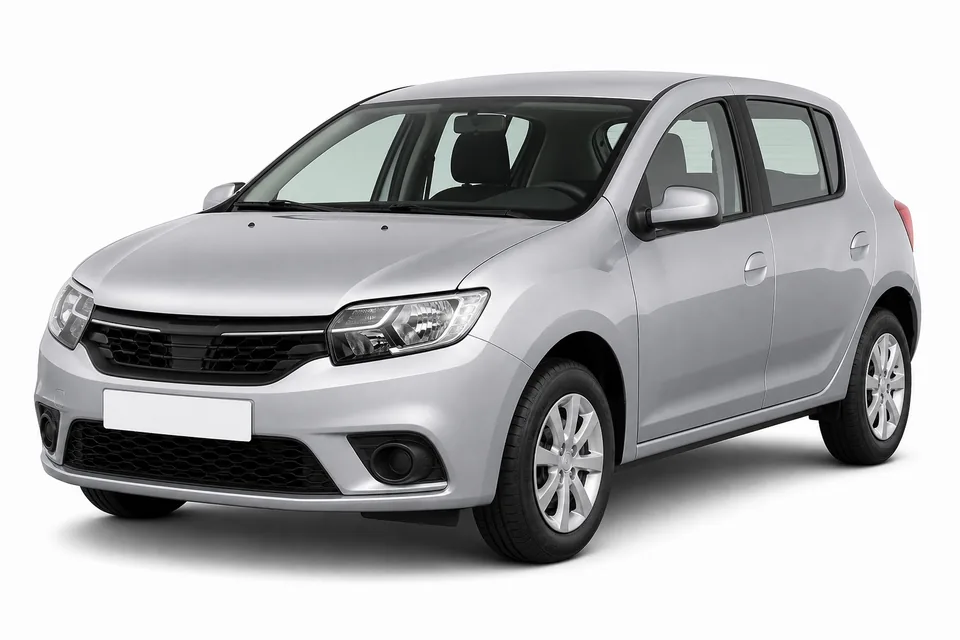
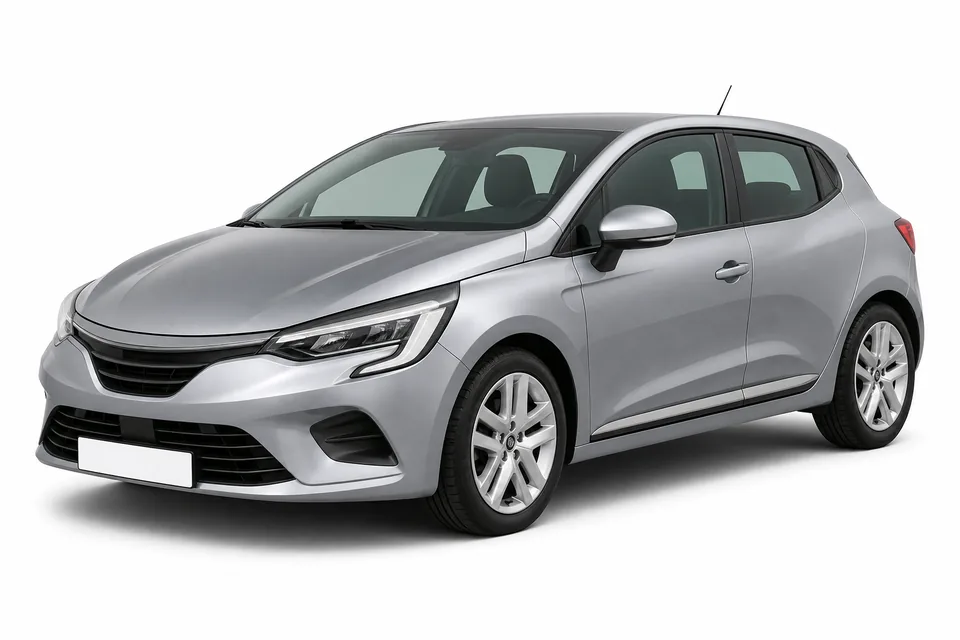
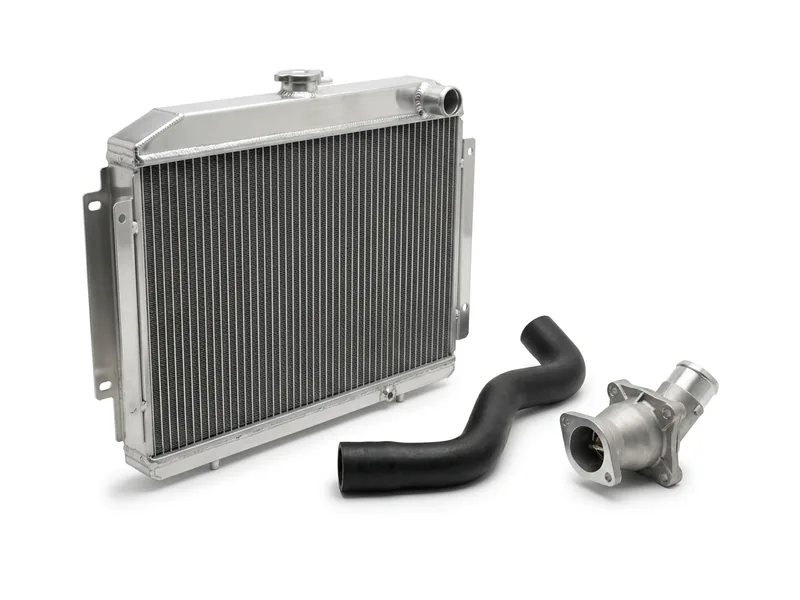
Cooling is the system this range actually gets talked about for. Reviewing the Clio IV, cars.co.za reported a tendency for the plastic thermostat housing on three-cylinder models to warp over time and leak coolant, and its Sandero guide flags the same thing. If your Renault is dropping coolant with no obvious puddle, that housing is worth looking at before you condemn anything expensive.
- Trade counter at 89 Chris Hani Road, Briardene
- Collect from the counter, or courier with the carriage in the quote
- Price, condition and fitment settled on a written quote
Cooling, explained
Of everything the South African motoring press has written about these cars, the cooling system is where the reporting is most specific — and it points at one component.
cars.co.za's Clio IV buyer's guide describes a tendency for the plastic thermostat housing on three-cylinder models to warp over time, generally past the 100 000 km mark, leading to a coolant leak. Its Sandero guide reports the same thing on that car and notes that Clio IV units suffered with it too. Two separate guides, two different cars, the same plastic part.
That matters more than it sounds, because of how the failure presents. A warped housing does not burst; it weeps. The level drops slowly, there is often nothing on the driveway to see, and the first real symptom is a temperature gauge doing something it never used to. By then the damage may already be somewhere more expensive.
South African conditions do not help
South African conditions do not help. Stop-start traffic on a Durban or Johannesburg summer afternoon is close to the worst case a cooling system faces: high ambient temperature, no airflow through the radiator, and the engine relying entirely on the fan. A system with a marginal component in it will find that out before it finds out anything else.
A note on honesty
A note on honesty: we have not found any source describing a Renault-specific weakness in the hoses or the radiators themselves, so we are not going to claim one. The evidenced failure on this range is the housing.
How you know cooling are on the way out
Recognise any of that? Tell us the model and year and we will go and check what we can get hold of for you.
Why two identical-looking Renaults take different cooling
This range has one documented cooling weakness and it is worth knowing before you order anything. cars.co.za reports that the plastic thermostat housing on three-cylinder models tends to warp over time — generally past 100 000 km on the Clio IV — and leak coolant, and its Sandero guide reports the same thing. A leak at the top hose on one of these cars is often the housing rather than the hose.
In plain terms, the call you have to make is whether you are replacing what leaked, or what made it leak — and the model name on the boot lid is not enough information to make it.
Include the engine, the mileage, and where you can actually see coolant when you ask us about cooling. Two questions up front beats a part that has to be couriered back.
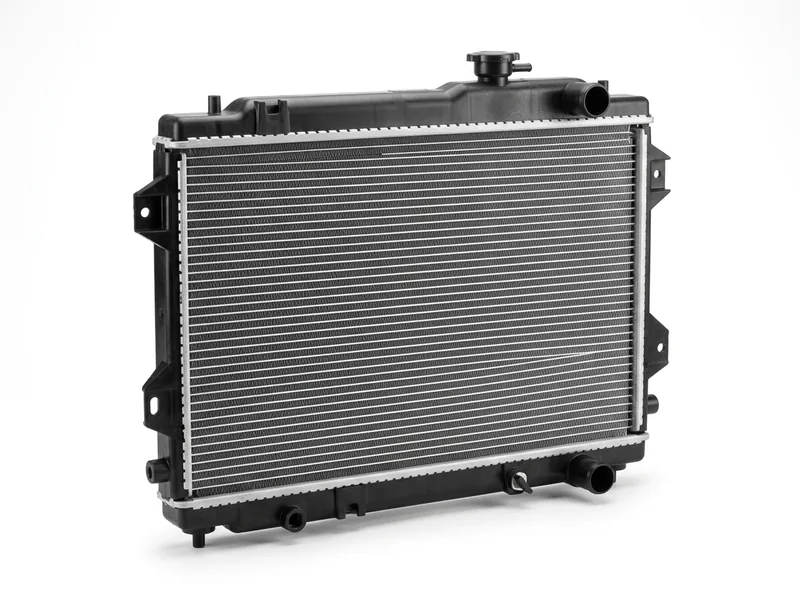
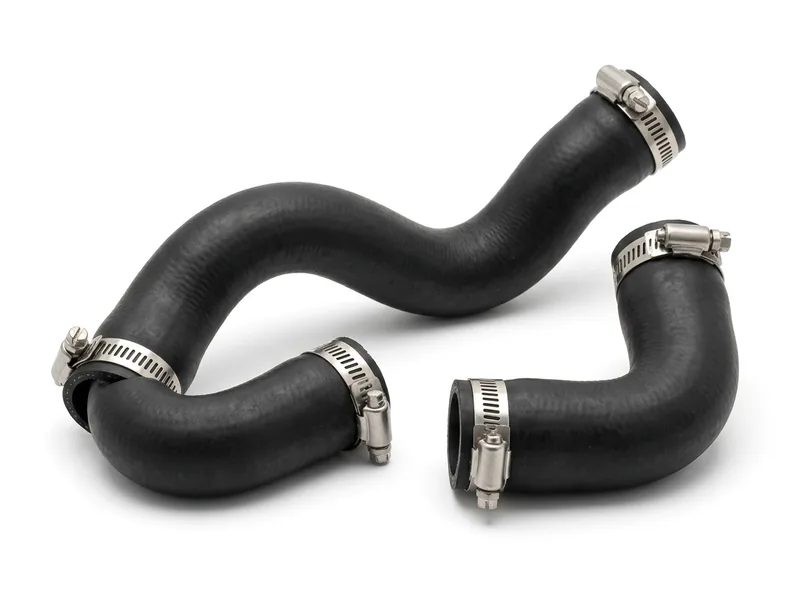
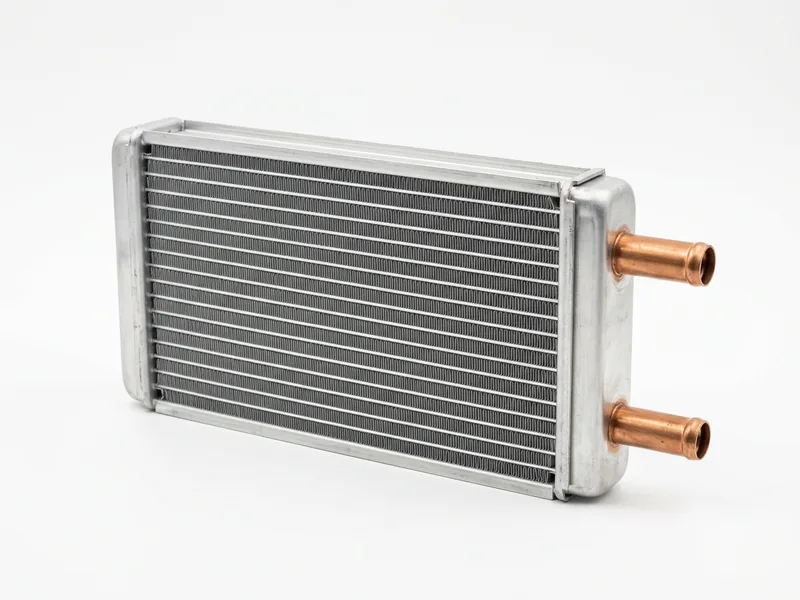
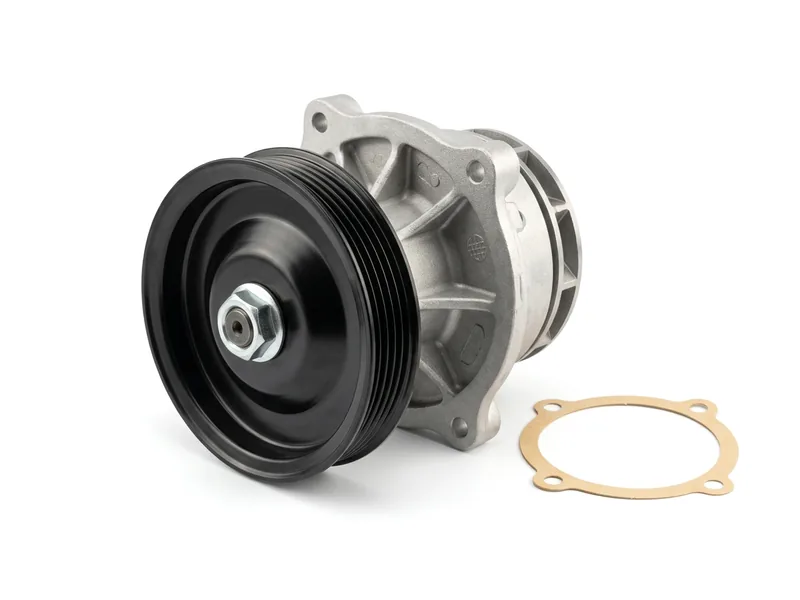
Coolingwe source
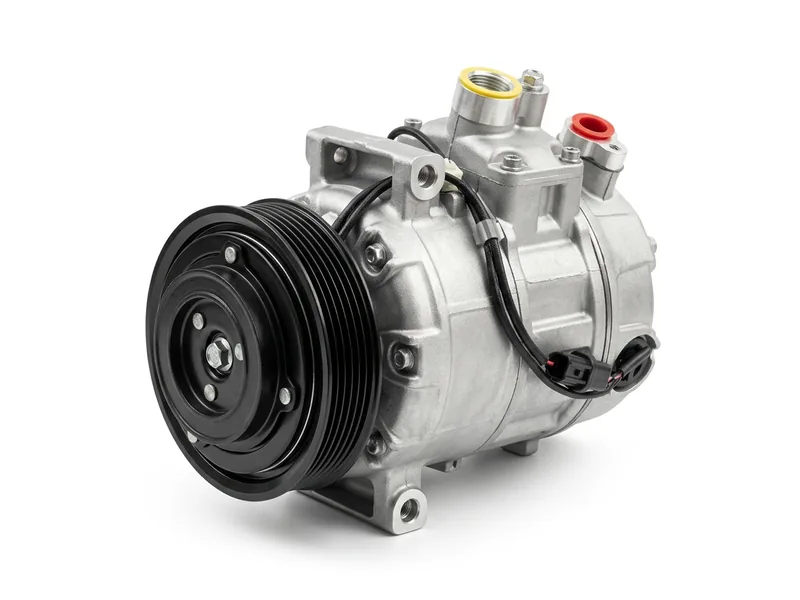
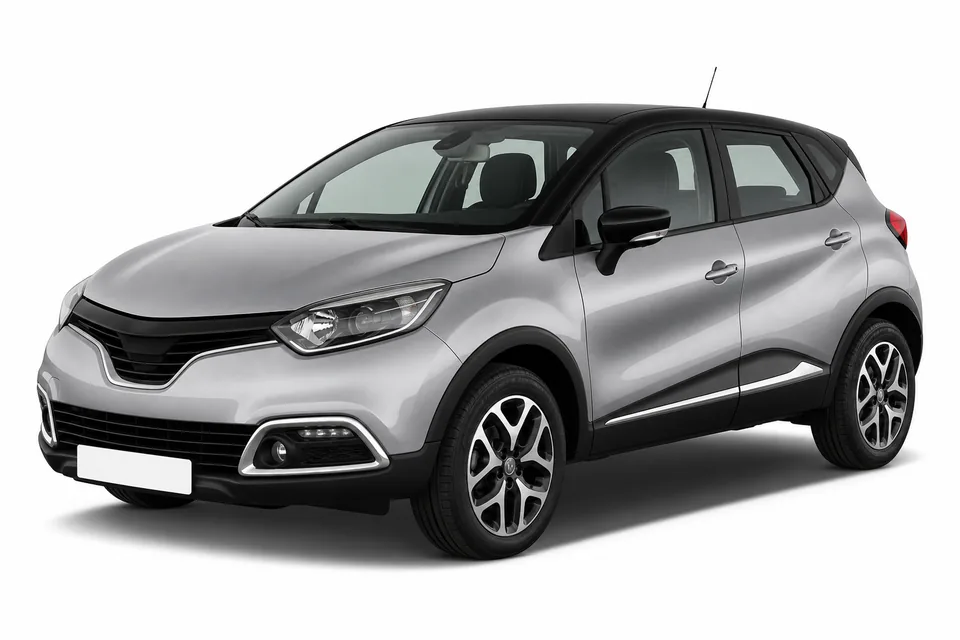

Further reading on cooling
Independent sources, not ours. Worth a look if you want the background before you enquire.
Cooling — what customers usually ask
Why is my car overheating but not losing coolant?
Because the fault is circulation rather than volume. A stuck thermostat, a failed water pump impeller, a radiator blocked internally with scale or externally with debris, an airlock left after a previous repair, or a cooling fan that is not switching on — all of those overheat an engine with a full system. Fan failure is worth checking first because it is cheap to test: if the car is fine at speed and overheats in traffic, suspect the fan.
My Renault Kwid is overheating. What could be causing this?
Work through it in order of cost. Is the coolant level right, and if it is low, where did it go? Is the fan running when the engine is hot and stationary? Is the radiator clear of leaves and plastic bags at the front? Is the thermostat opening? On the three-cylinder Renaults, cars.co.za has documented the plastic thermostat housing warping and leaking, so a slow unexplained coolant loss on one of these has a known candidate. Do not keep driving it — an overheated engine turns a cheap part into a cylinder head very quickly.
How do I solve a car overheating problem?
Stop first. Pull over, switch off, and let it cool completely before opening anything — a hot pressurised system will scald you. Then diagnose rather than top up and hope. The order that usually finds it: check the level and look for leaks, watch whether the fan cuts in, feel whether both radiator hoses get hot (if the top one is hot and the bottom stays cold, the thermostat is not opening), and pressure-test the system. Continuing to drive an overheating car is the most expensive option on the list.
Is the thermostat housing really a common Renault fault?
On the three-cylinder cars, that is what the South African press reports — cars.co.za names it in both the Clio IV and Sandero guides, and puts it generally past 100 000 km on the Clio. Worth keeping the hedge those guides use: they describe it as something they have been told about by local trade and owners, not as a manufacturer bulletin. If your car is a three-cylinder past that mileage and losing coolant slowly, it is the first place we would look.
Can I use water instead of coolant in an emergency?
To get home, yes. As a permanent solution, no. Coolant raises the boiling point, lowers the freezing point and — the part people forget — carries corrosion inhibitors that protect the aluminium in the engine and radiator. Plain water for months will corrode the system from the inside. Have it drained and filled properly, and use the specification the car asks for.