
Renault Coilovers
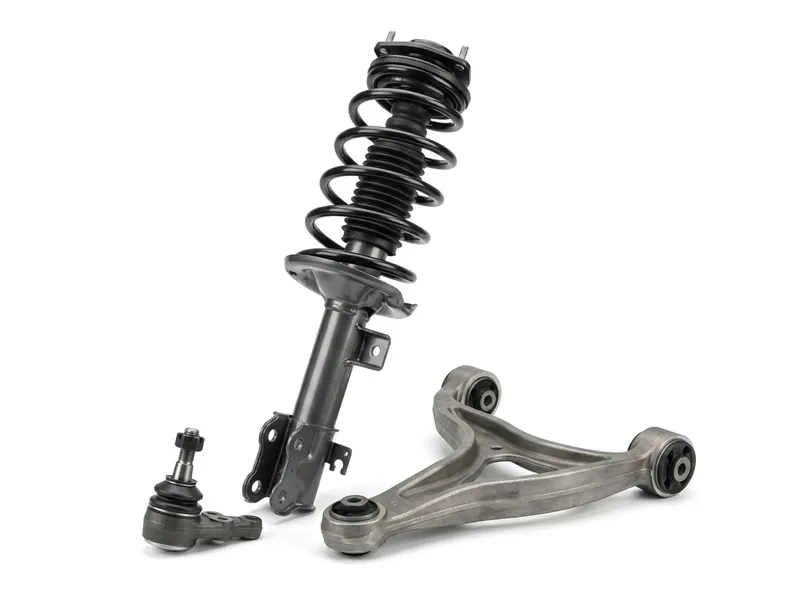
Worth being straight about this one. Almost everyone searching for Renault coilovers actually wants one of two different things: a standard front strut assembly, which is a spring wrapped around a damper and gets loosely called a coilover, or a proper height-adjustable aftermarket kit for a lowered car. The first we source used all day. The second is a modification, not a replacement part.
- Trade counter at 89 Chris Hani Road, Briardene
- Collect from the counter, or courier with the carriage in the quote
- Price, condition and fitment settled on a written quote
Coilovers, explained
This page exists to answer one question honestly, because it is asked constantly and answered badly almost everywhere: can you get coilovers for a Renault?
The answer depends entirely on which of two very different things you mean.
If you mean the standard front suspension unit
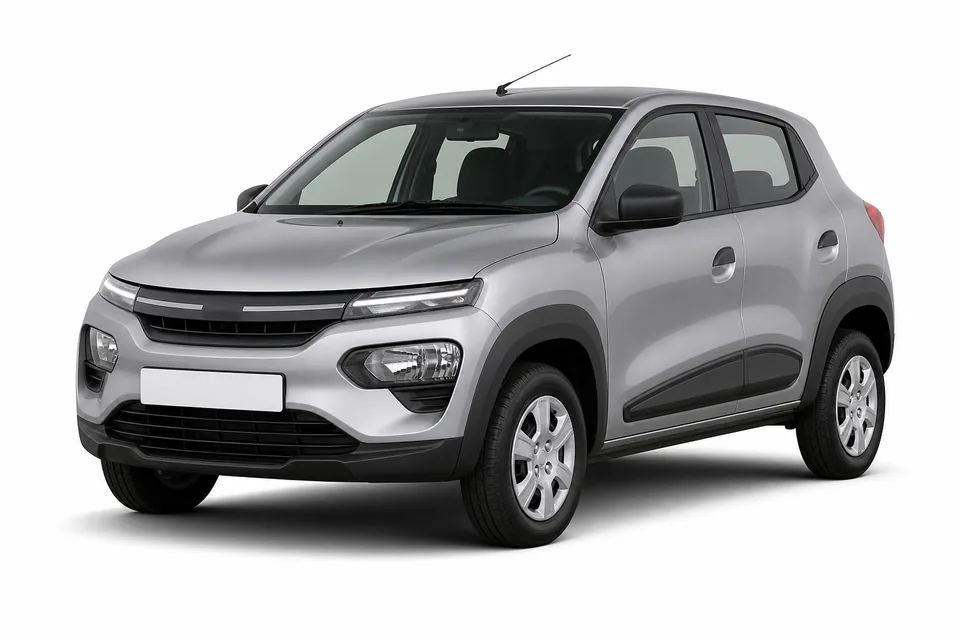
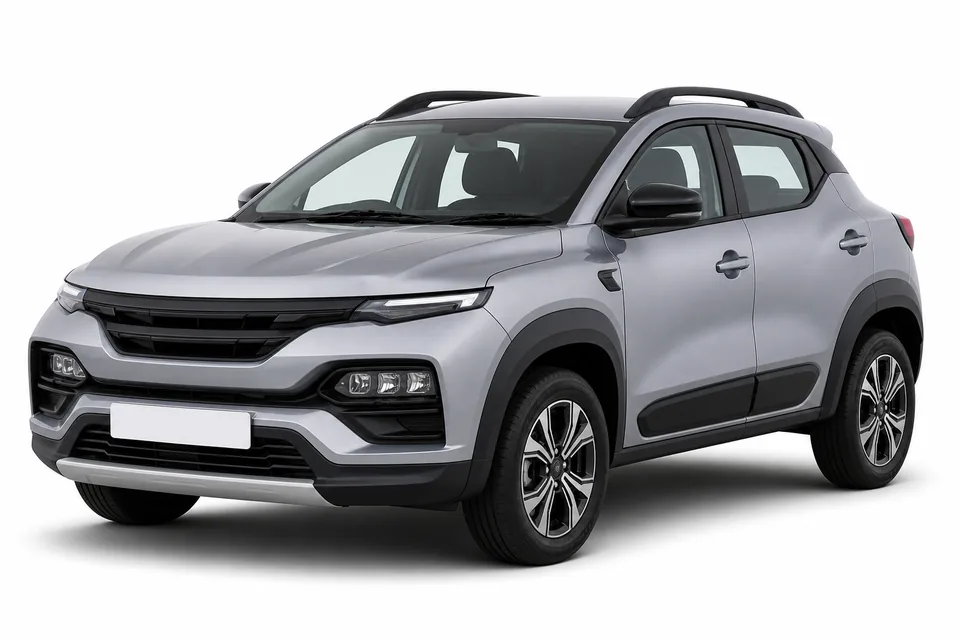
If you mean the standard front suspension unit — a damper with a coil spring around it, bolted between the body and the hub — then yes, and we source those used all the time. Renault SA's own brochures describe the front of the Kwid and the Kiger as a MacPherson strut with a lower transverse link. That strut assembly is what most people are actually holding when they say "my coilover is leaking". It is a service part with a part number.
If you mean a height-adjustable coilover kit
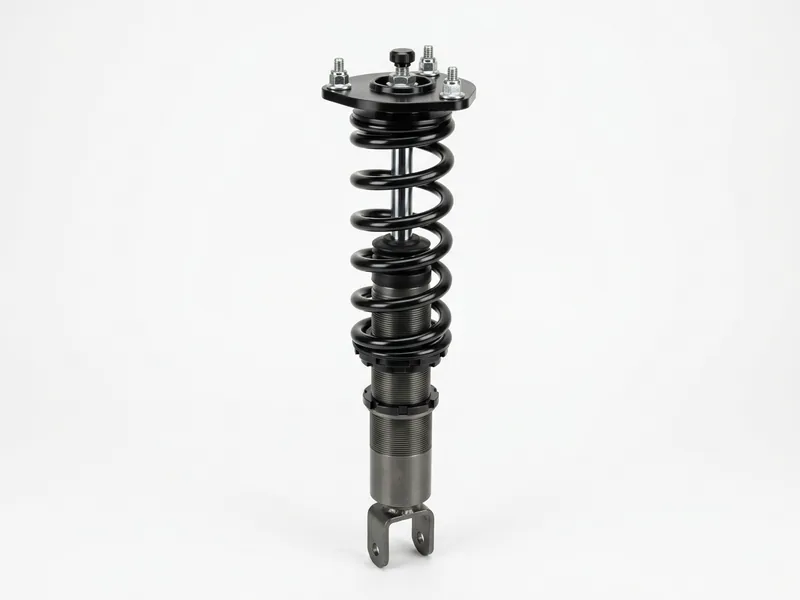
If you mean a height-adjustable coilover kit — the threaded-body, ride-height-adjustable suspension sold for lowering and track use — then that is aftermarket tuning equipment, not a replacement part, and it is not something a Renault in this range left the factory with. We checked as hard as we could and could not find any Renault sold in South Africa in this model range documented as having factory adjustable coilovers.
The one Renault of the era that genuinely did ship on standard Öhlins adjustable dampers all round was the Mégane R.S. Trophy-R — and in July 2019 Renault South Africa told CAR magazine that a local introduction was not in its planning to date.
There is a further point that settles the rear end of these cars entirely. Renault SA describes the rear as a twist beam with a coil spring. On that layout the spring and the damper are separate components in separate places — there is no coilover unit at the back of a Kwid, Kiger or Sandero at all, because there is nothing for the spring to be "over".
So here is where you should actually be, depending on which one you are. If the car floats over bumps, dives under braking, or a damper is weeping oil, what you want is shock absorbers — the fronts being the strut assemblies described above, the rears separate dampers, and both are ordinary used parts. If it knocks over bumps but rides normally otherwise, that is usually a top mount, a strut bearing, a bush or a drop link rather than the damper itself, and those sit under suspension.
If one corner sits visibly low, that is a spring. And if what you genuinely want is to lower the car on height-adjustable suspension, that is a tuning purchase from a performance retailer — not something we pull off a donor Renault, and we would rather say so now than take the enquiry and waste your week. The related-parts links at the foot of this page will get you to the right category.
How you know coilovers are on the way out
Recognise any of that? Tell us the model and year and we will go and check what we can get hold of for you.
Choosing coilovers for a Renault without guessing
- What you are really deciding
- Whether your car is a standard-height version or one of the raised ones.
- Where Renault differs
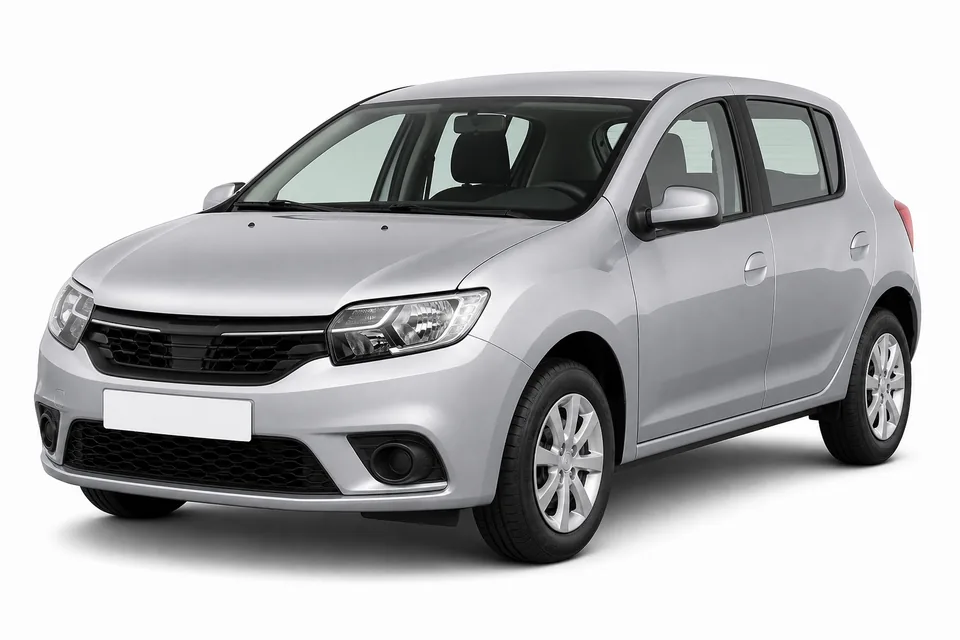
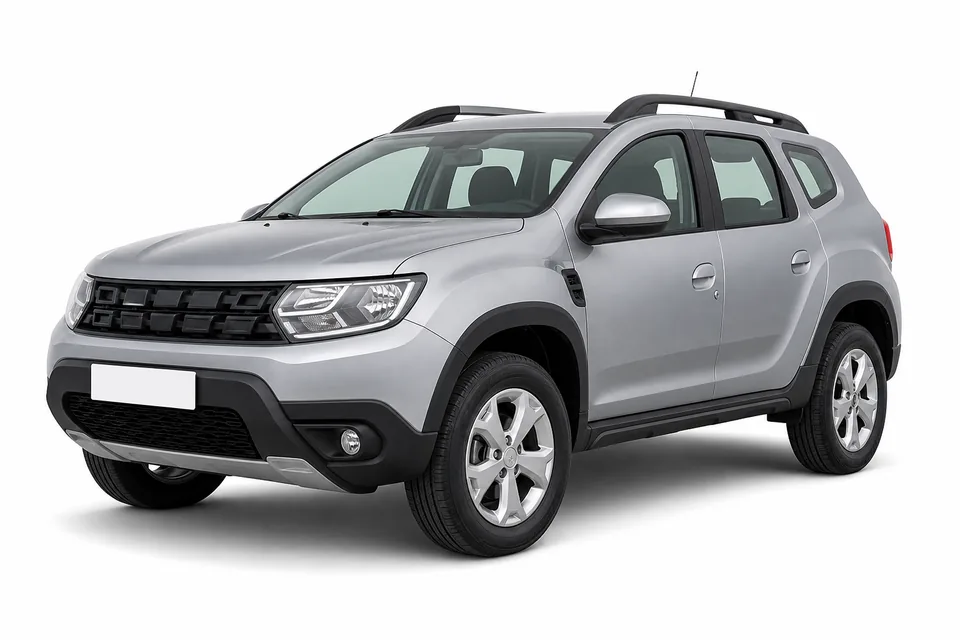
- These are cars sold on ground clearance, and the raised versions use genuinely different components. Renault puts the Kwid at 180 mm and the Kiger at 205 mm, and the Sandero Stepway sits 29 mm above the standard hatch. The bigger trap is the Duster: cars.co.za records that the front-drive second-generation cars used a torsion-beam rear while the 4WD had a multi-arm setup. Different back ends entirely.
- Where the car was built
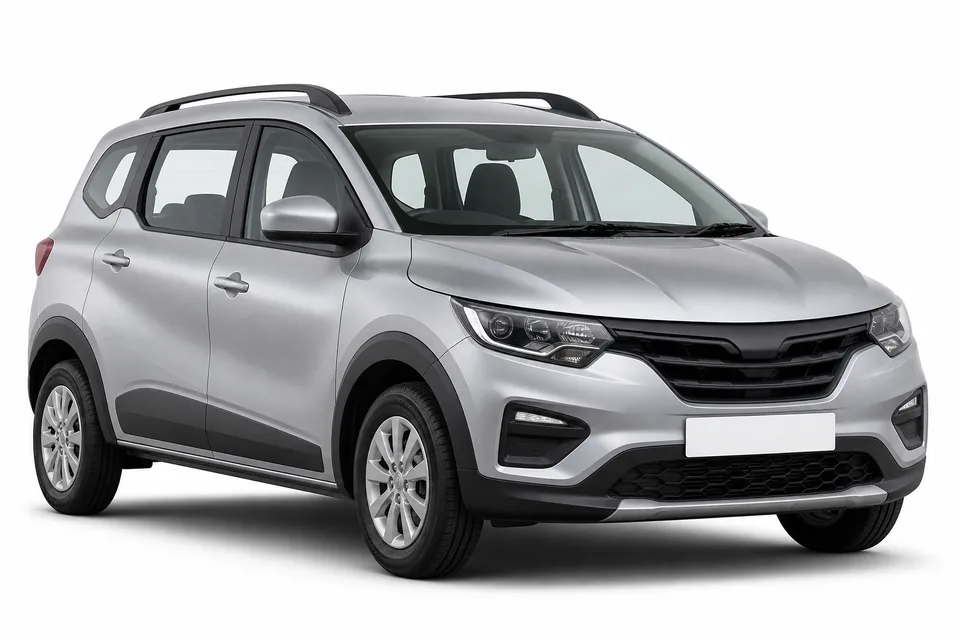
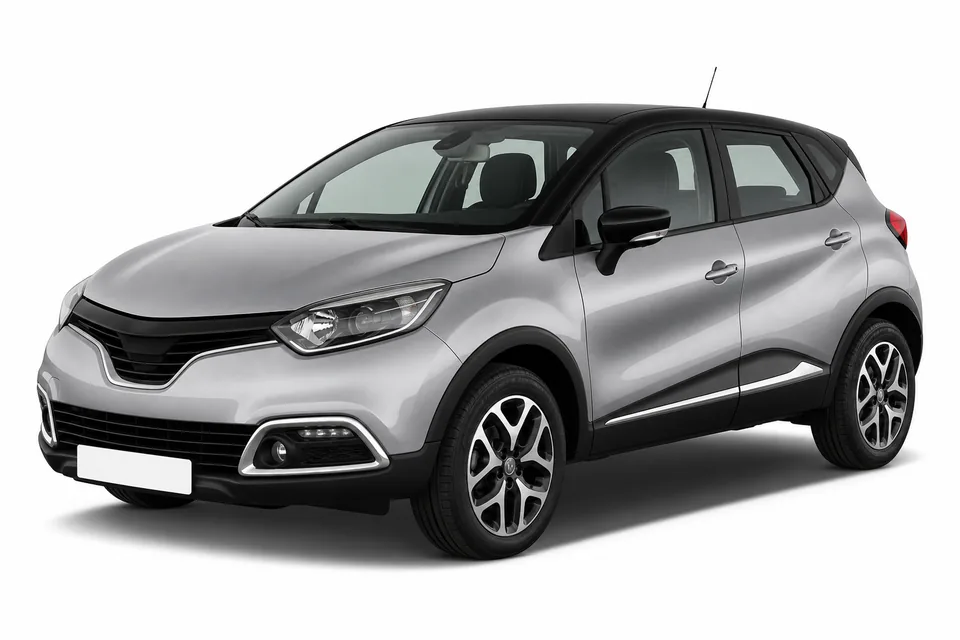
Renault does not build its South African range in one place, and that decides which supply chain a part comes down. The Triber is Indian-made, on a modified CMF-A platform, and the Kwid and Kiger come off the same Indian industrial base. The Sandero was imported from Romania, and every SA-spec second-generation Duster was built at Dacia's Mioveni plant there. The first-generation Captur sold here came from Renault's Valladolid factory in Spain.
It can show up in the metal, too: the first-generation Duster switched from Indian to Romanian production partway through its life, and cars.co.za observed that the Romanian-built cars appear to have benefitted from better rust-proofing and paint quality.
- What to send us
- The exact derivative, and whether it is a 4x2 or a 4x4. With that in front of us we can normally settle the right coilovers without a back-and-forth.
Further reading on coilovers
Independent sources, not ours. Worth a look if you want the background before you enquire.
Coilovers — what customers usually ask
Did any South African Renault come with coilovers from the factory?
Not in this range, as far as we could establish. Renault SA's brochures describe these cars as MacPherson strut at the front and twist beam with a coil spring at the rear — a strut assembly, not an adjustable coilover. The Renault that did leave the factory on adjustable Öhlins dampers, the Mégane R.S. Trophy-R, was confirmed by Renault South Africa to CAR magazine in July 2019 as not planned for this market. We should be precise: that is what we found, and it does not rule out a grey import somewhere. It does mean there is no local supply of factory coilovers to draw on.
Are shocks better than coilovers?
They answer different questions. A standard damper or strut is engineered for your car's weight, geometry and ride height, so it restores the car to how it was designed to behave. An adjustable coilover lets you change ride height and often damping, which is what you want on a track car and frequently not what you want on a South African road. For a car you drive daily on our surfaces, the factory-equivalent part is usually the better buy.
What are the downsides of coilovers?
Ride quality is the obvious one — most kits are firmer, and on rough roads that gets tiring quickly. Beyond that: lowering a car changes its suspension geometry, which affects tyre wear and sometimes handling in ways that need a proper alignment to sort out; ground clearance matters genuinely in South Africa, and these are cars sold with 180 mm to 205 mm of it for a reason; and modified suspension can affect your insurance if it is not declared. None of that means do not do it. It means do it knowingly.
Can I use coilovers instead of shocks?
On the front, physically yes if a kit exists for your car, since a coilover kit replaces the strut assembly. On the rear of the small Renaults, the question does not really apply — those cars have a twist beam with the spring and damper as separate components, so a rear "coilover" is not replacing a like-for-like item. Any kit for one of these cars will address that in its own way, which is a good reason to buy from a supplier who can tell you exactly what is in the box.
Do coilovers last as long as standard shocks?
We are not going to give you a figure, because we have not found a source that supports one and a made-up number helps nobody. What is fair to say is that adjustable kits have more parts that can wear — threaded collars can seize with corrosion and grit, and adjusters can stop adjusting — and that South African road conditions are hard on suspension generally. Quality varies enormously across the price range, far more than it does with standard replacement struts.
So what can you actually supply?
Standard front strut assemblies, dampers, springs, top mounts, strut bearings and the associated hardware, sourced used and matched to your derivative — including getting the raised versions right, since a Sandero Stepway and a standard Sandero do not share ride height. If what you want is an adjustable lowering kit, we will point you at a performance retailer rather than pretend otherwise.