
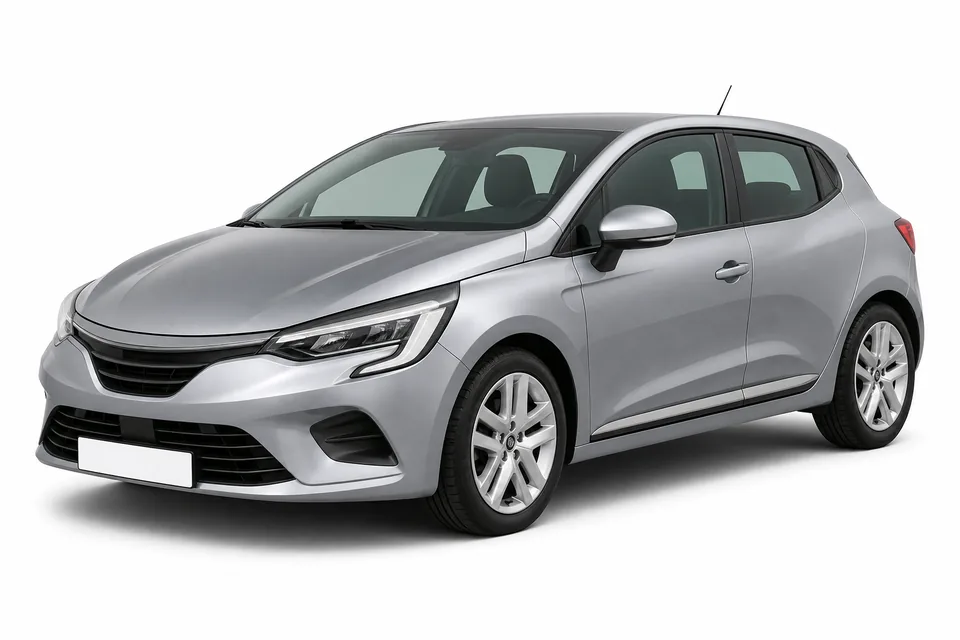
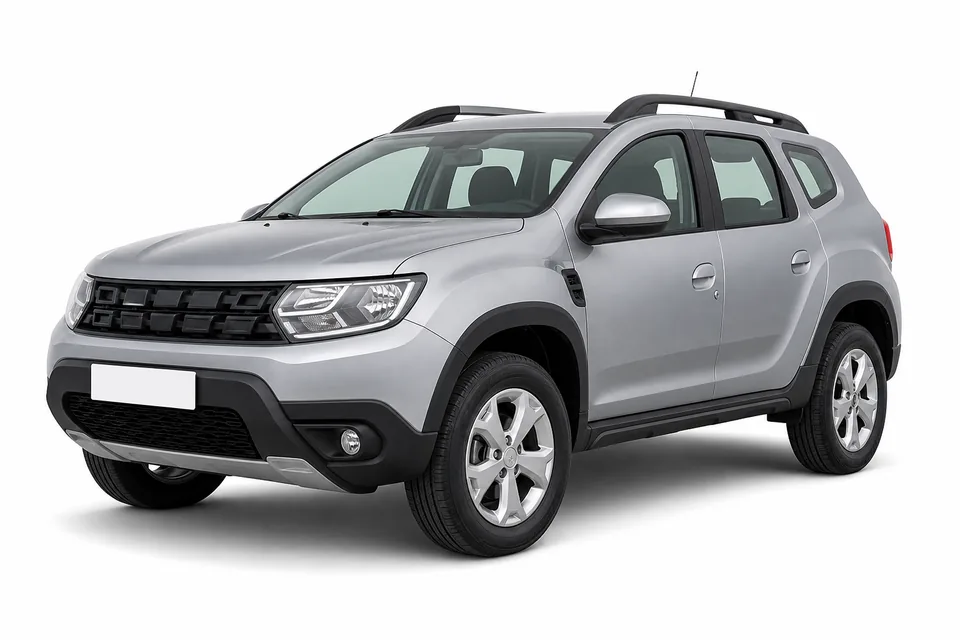
Renault Catalytic Converters For Sale
The part most often asked for by the wrong name. Which converter your Renault takes follows the engine, not the badge on the boot — and if yours is the 1.5 dCi, it does not take one at all.
Used and reconditioned units, identified from your VIN before we quote.
- Matched to your VIN
- Terms set on the quote
- Collection or courier
Checked, not just shifted
Used units get inspected before they are offered to you, and anything reconditioned has had the work done and documented.
Terms in writing
Cover varies by unit and by condition, so we set it out on the quote rather than making a blanket promise on a web page.
Collect it or have it sent
Collection is from our Briardene counter in Durban North. If you would rather it came to you, say where you are and the carriage goes on the quote before you commit to anything.
Renault converters by engine, because that is what decides the part
Six engines cover almost every Renault sold here. Find yours and the enquiry stops being a guess.
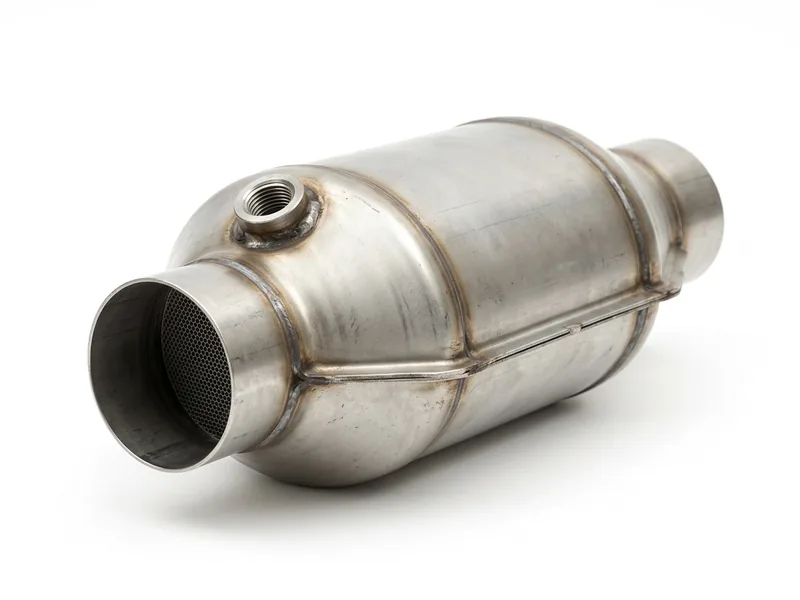
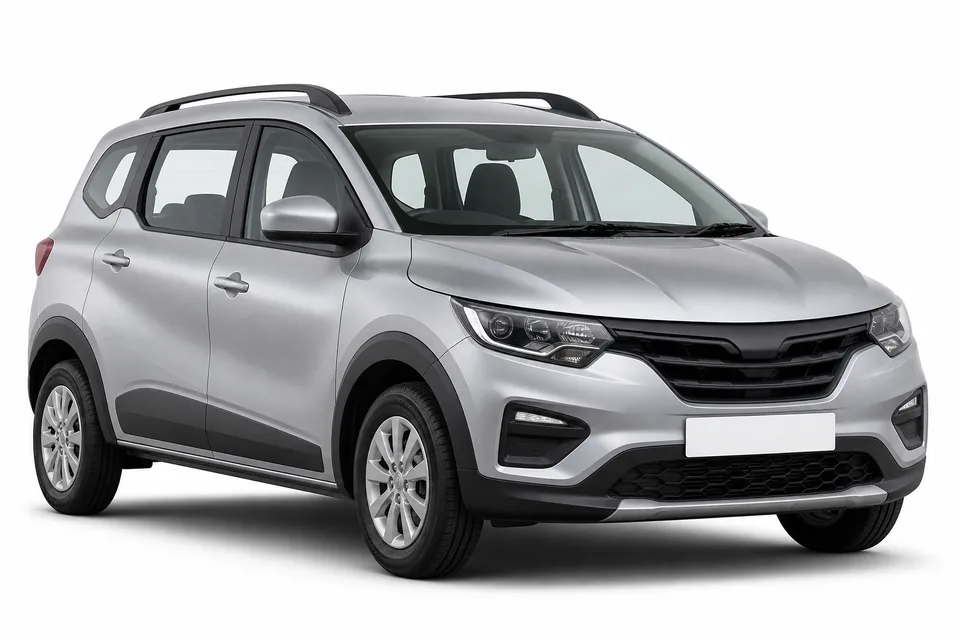
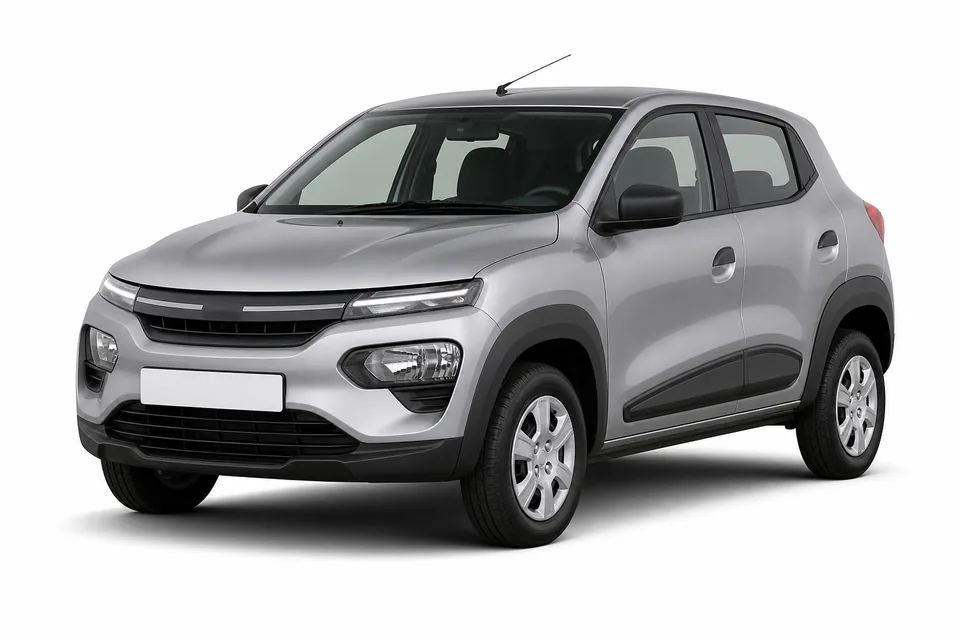
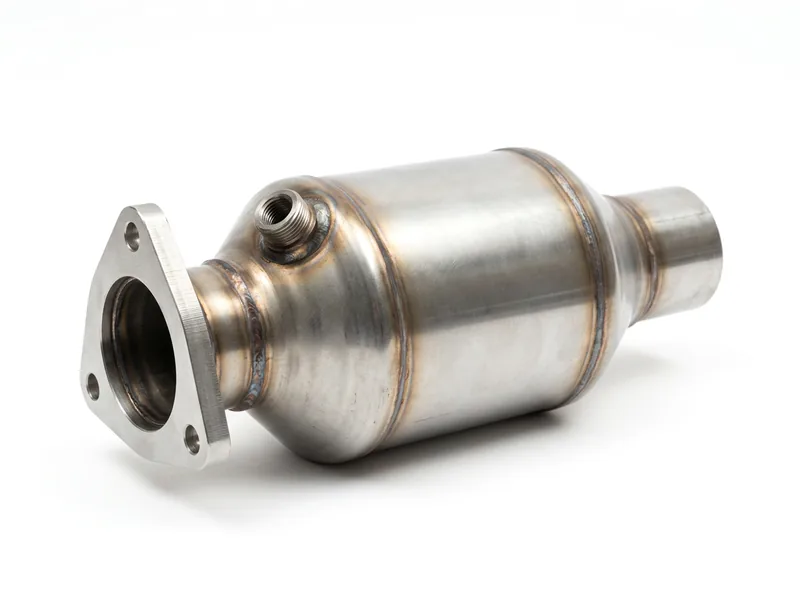
Converter — 1.0 three-cylinder petrol
1.0 SCe
- The petrol cars take a catalytic converter. Only the 1.5 dCi runs a particulate filter instead, which is the distinction this whole page exists to draw
- The Kwid has run this one engine for its entire South African life, so the year narrows the part rather than the motor
- The Kwid’s is the 1.0 SCe and local reviews rate it below the unit in the Triber and Kiger, so we do not treat the three as one part family without checking
Priced against your VIN, because two of these that look identical often are not.
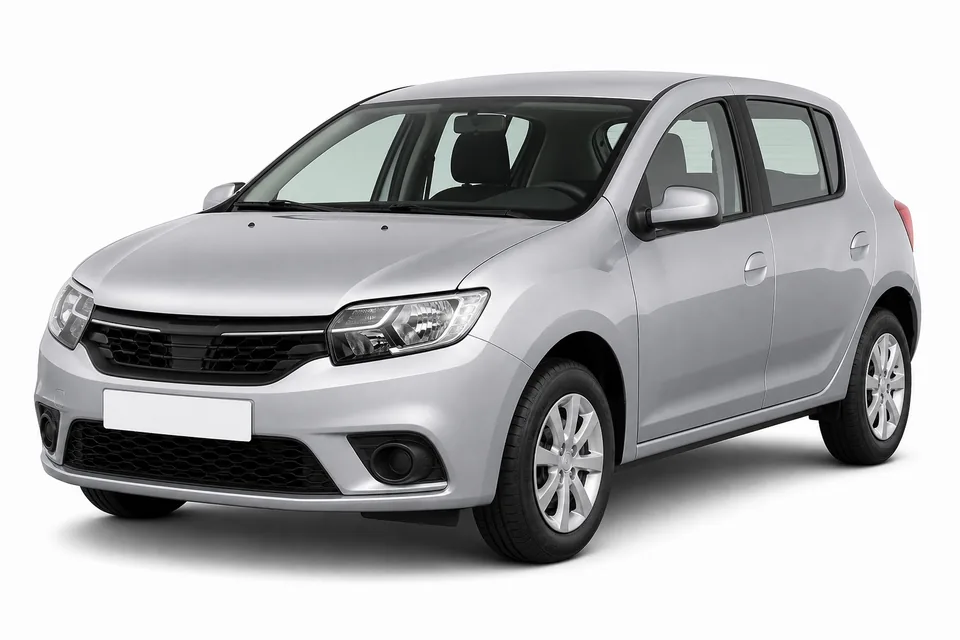
Converter — 0.9 TCe turbopetrol
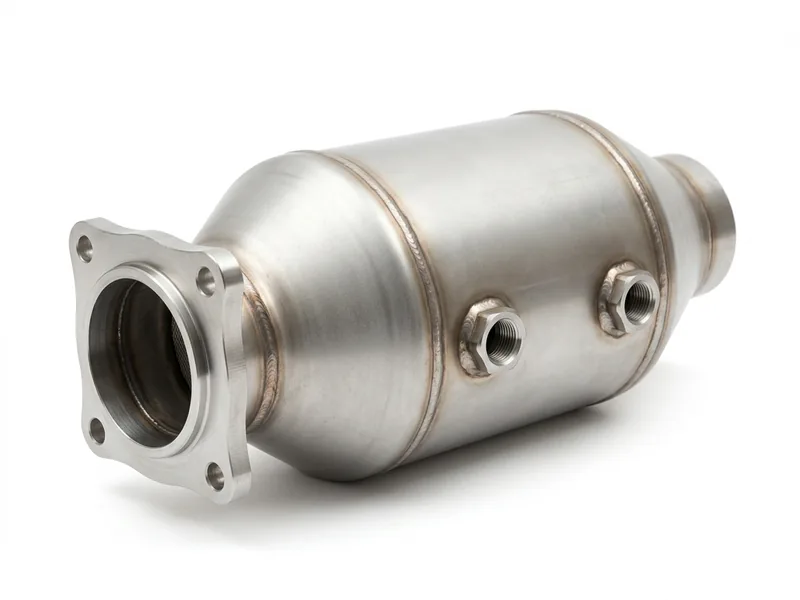
0.9 TCe
- The only engine the South African second-generation Sandero and Stepway ever had, for the model’s whole life
- Also the Clio IV and the pre-facelift Captur, which sit on the same platform
- A turbocharged car carries its converter downstream of the turbo, so a failed turbo and a poisoned converter are commonly quoted together
Priced against your VIN, because two of these that look identical often are not.
Converter — 1.2 TCe turbopetrol
1.2 TCe
- Four-cylinder turbopetrol shared between the Clio IV and the Captur on the same platform
- On a pre-facelift Captur this engine came with a dual-clutch only, so the derivative matters before anything is quoted
- The Kadjar left the South African range in September 2018, so that car’s parc is small and the derivative has to be exact
Priced against your VIN, because two of these that look identical often are not.
Converter — 1.6 16V petrol
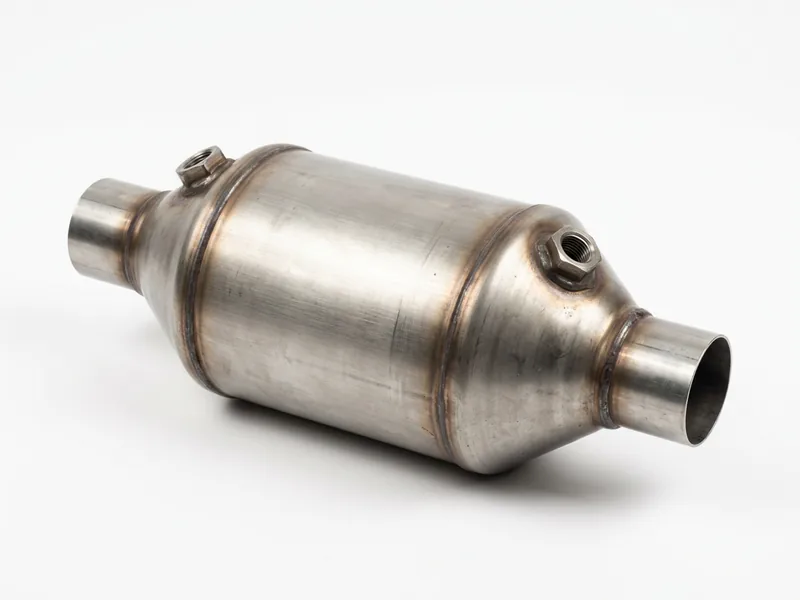
1.6 16V
- One of the few four-cylinder petrols in the local Renault range, where three-cylinders are the rule
- Not the same state of tune across the two Duster generations, so "a 1.6 Duster part" is not one item
- Dropped from the Duster range at the November 2021 facelift
Priced against your VIN, because two of these that look identical often are not.
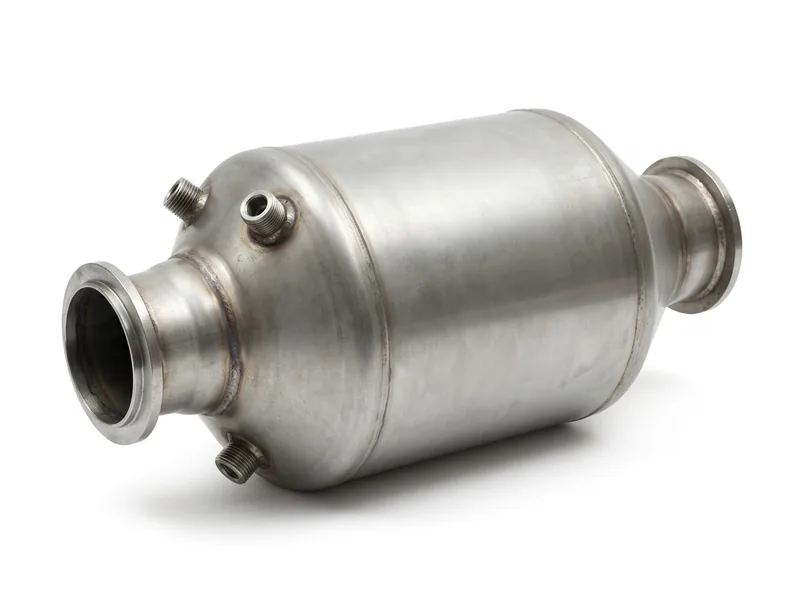
Particulate filter — 1.5 dCi (not a converter)
K9K
- The diesel does not take a catalytic converter. It runs a diesel particulate filter, and that is the part that gives trouble
- cars.co.za records clogged particulate filters on the second-generation Duster’s 1.5 dCi as by no means uncommon
- The same guide reports turbo failures alongside them, so it is worth pricing both at once rather than paying carriage twice
Priced against your VIN, because two of these that look identical often are not.
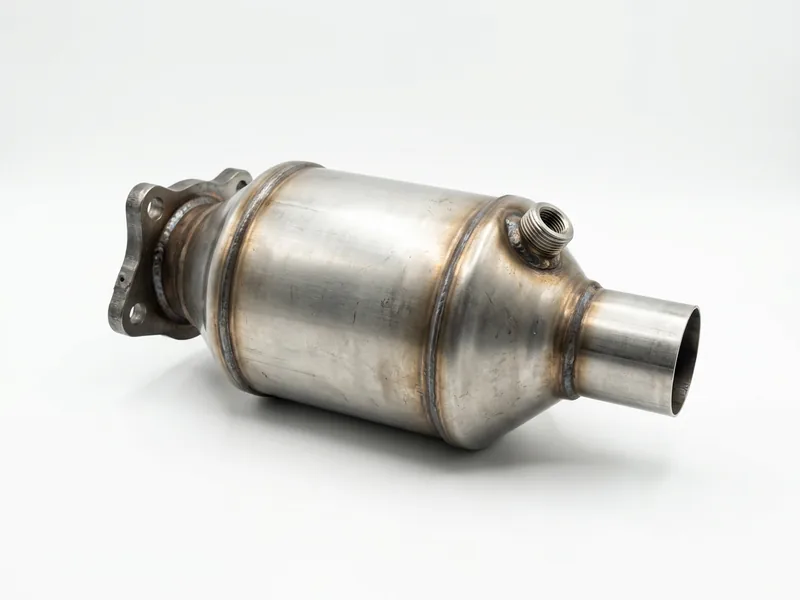
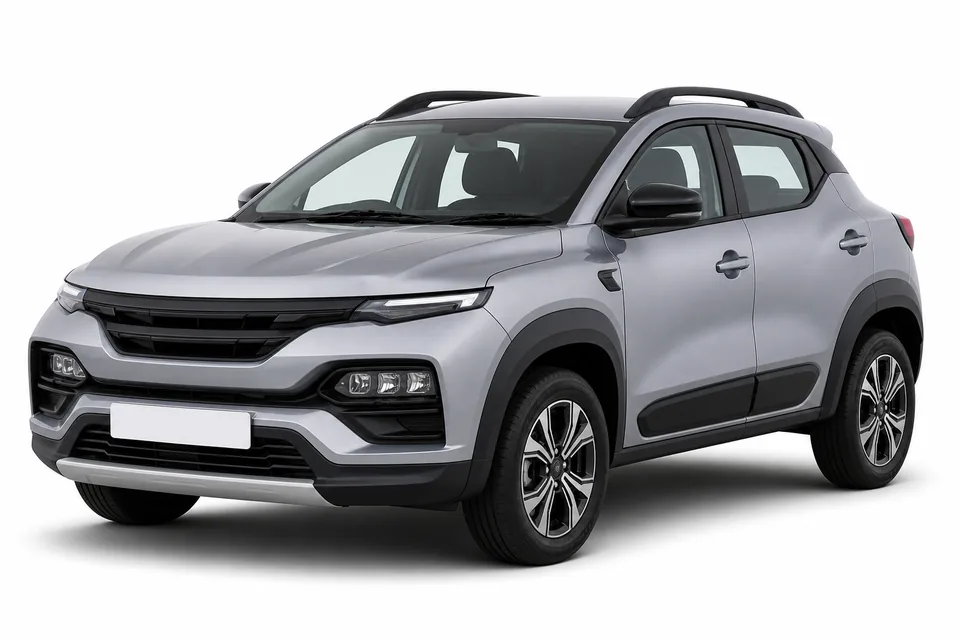
Converter — 1.0 turbopetrol
HR10DET
- cars.co.za records this as the same unit fitted to the Nissan Magnite, which widens where a matching part can be looked for
- On the Kiger it is the turbo car only — the naturally aspirated Kiger is a different engine and a different part
- No automatic was ever offered on the South African Clio V, which is a useful check that a listing is a local car
Priced against your VIN, because two of these that look identical often are not.
There is no price on the cards above, deliberately. A used unit is priced on the donor vehicle it came out of, so the honest answer only exists once we know which car yours is — which is why every button here asks for your details rather than showing you a number we made up.
Renault Catalytic Converter Price Guide
The variants below are the ones that come up most on South African cars. We could not find two independent local sellers advertising a figure for any of them — the note under the table explains why, and it is worth reading before you accept a quote.
| Variant | What it goes in |
|---|---|
| 1.0 SCe | Underfloor converter on the Kwid, Triber and naturally aspirated Kiger. The smallest unit here, and the one most often stolen off a car parked in the open because it is the easiest to reach. |
| 0.9 TCe (898 cm³) | Sits directly behind the turbocharger on the Sandero, Stepway, Clio IV and Captur, which is why a failed turbo and a poisoned converter so often turn up on the same quote. |
| 1.2 TCe | Clio IV, Captur and Kadjar. Two oxygen sensors rather than one, so a catalyst-efficiency code here can be the sensor rather than the converter — worth reading before anyone orders. |
| 1.6 16V | The largest converter on this list, on the Duster petrol. Two states of tune across the two generations mean two calibrations, so the year matters as much as the engine size. |
| K9K 1.5 dCi | Takes a diesel particulate filter, not a catalytic converter. The row that stops the wrong enquiry before anybody pays carriage on a part their car cannot use. |
| HR10DET 1.0 turbo | Kiger Turbo and Clio V, and shared with the Nissan Magnite — so a matching unit can be looked for under either badge, which widens a thin local pool considerably. |
Not sure which row you are? Send the VIN and let us work it out.
Catalytic Converters, explained
In most countries a catalytic converter is something you replace when it wears out. In South Africa it is more often something you replace because somebody stole it.
The reason is what is inside. South African reporting notes that rare elements such as platinum, rhodium and palladium are often found in converters, and that on some models removing one can be as simple as taking out a few screws — it fits in a backpack and it can be done in minutes. The same reporting describes thefts in Johannesburg, Cape Town and Gqeberha, and says a converter is typically most prominent in SUVs and trucks.
The second route to needing one is a misdiagnosis. A converter is a chemical device with no moving parts, and it does not really wear out — it gets poisoned or melted. An engine running rich, burning oil, or misfiring dumps unburnt fuel into the converter and destroys the substrate. Fit a replacement without fixing the engine fault and you will destroy that one too. If your car has thrown a catalyst-efficiency code, the fault to chase first is upstream.
Some local context worth having. A 2025 paper in the peer-reviewed South African Clean Air Journal notes that our compulsory specifications currently stipulate compliance with Euro II-equivalent standards, and that ultra-low sulphur diesel should be the norm from July 2027 when an update to the Petroleum Product Act comes into effect. Fuel quality is part of why emissions equipment on South African cars has a harder life than the same part overseas.
How you know catalytic converters are on the way out
Recognise any of that? Tell us the model and year and we will go and check what we can get hold of for you.
Choosing catalytic converters for a Renault without guessing
Strip away the catalogue language and what you are actually choosing between here is whether your car runs a catalytic converter or a diesel particulate filter.
Renault South Africa's own maintenance wording lists the exhaust as a serviced wear item rather than something the warranty covers. What hangs under the car depends on the fuel: the petrols run a catalytic converter, and the 1.5 dCi runs a particulate filter that cars.co.za says clogs on the second-generation Duster by no means uncommonly.
So we price catalytic converters against your specific car, not against a badge. Send through the model, the fuel type, and which section has actually failed, and we will come back to you on what fits , what it will cost, and how soon we can have it moving.
Why nobody can quote you a converter from the model name alone
Almost every enquiry that reaches this desk for a catalytic converter arrives with a model and a year and nothing else, and that is not enough to price one. A converter is matched to the engine and its emissions calibration, not to the shape of the car. Two Kigers on the same forecourt, one naturally aspirated and one turbo, take different parts. So do a pre-facelift and a facelift Captur. Send the engine code, or the VIN, and the guesswork disappears.
The distinction that saves the most wasted time is petrol against diesel. The petrol cars take a catalytic converter. The 1.5 dCi does not — it runs a diesel particulate filter, which is a different part with a different failure mode and a different price. If your Renault is the dCi and you have been quoted for a "cat", somebody has read the badge rather than the engine.
It is also worth saying plainly that a converter rarely fails on its own. It has no moving parts, so it does not wear out in the way a clutch does — it gets poisoned or melted by something else that is wrong upstream. An engine burning oil, running rich or misfiring will destroy a new converter as surely as it destroyed the old one. If a catalyst-efficiency code is what brought you here, the fault worth chasing first is the one feeding it, and that is usually in the engine or the fuel system.
Related: Renault exhaust parts · used engines
Further reading on catalytic converters
Independent sources, not ours. Worth a look if you want the background before you enquire.
Catalytic Converters — the questions we field most
Ready to talk catalytic converters?
Give us the VIN, or the model and year if the VIN is out of reach. We match the unit to your Renault first, then come back with the price and the carriage in one go.