
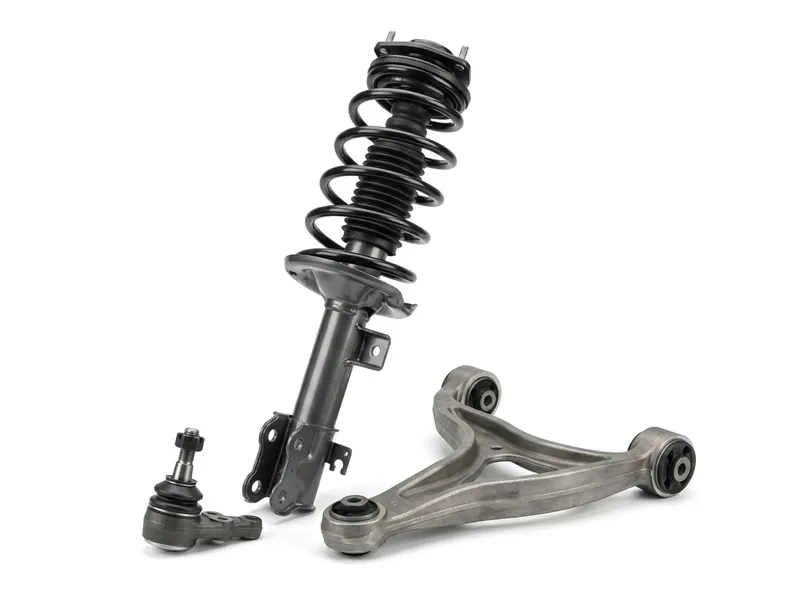
Renault Brakes
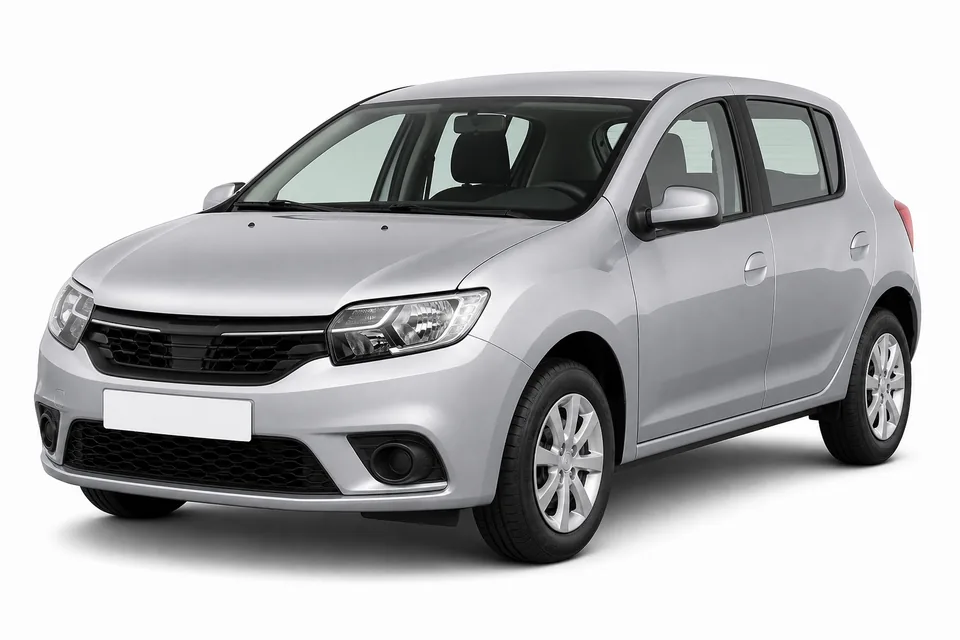
"Rear brakes" does not mean the same thing on every Renault sold here. cars.co.za records that every South African second-generation Sandero derivative "made do with drum brakes at the rear", and a drum needs shoes and a wheel cylinder rather than pads and a disc. Get that wrong and the box you receive is useless. We settle the derivative first, then quote.
- Trade counter at 89 Chris Hani Road, Briardene
- Collect from the counter, or courier with the carriage in the quote
- Price, condition and fitment settled on a written quote
Brakes, explained
Before anything else on a Renault brake enquiry, we need to know what is on the back axle, because on this range that genuinely varies and it is the difference between the right box and the wrong one.
Renault South Africa's own brochures
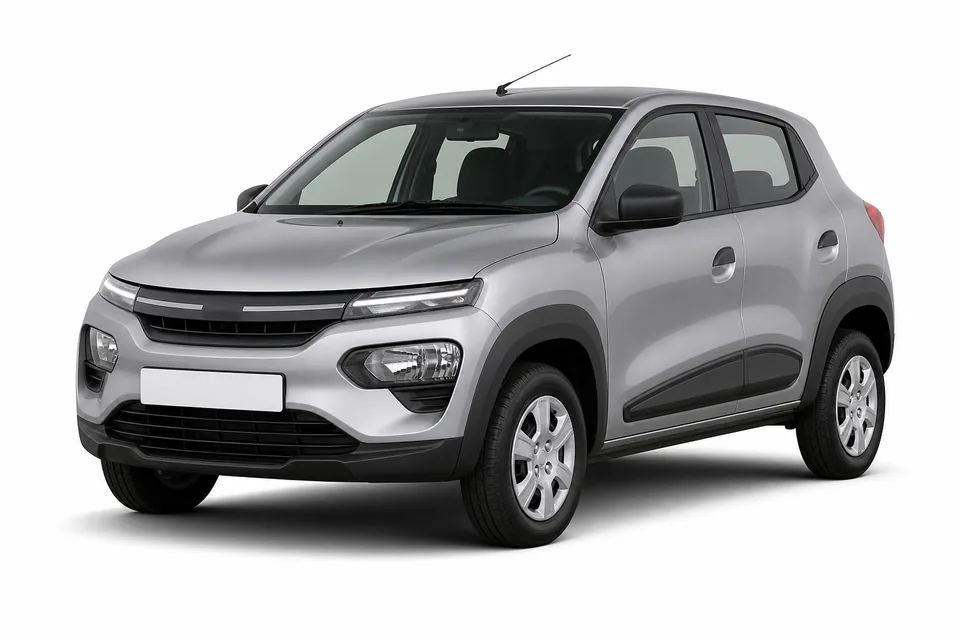
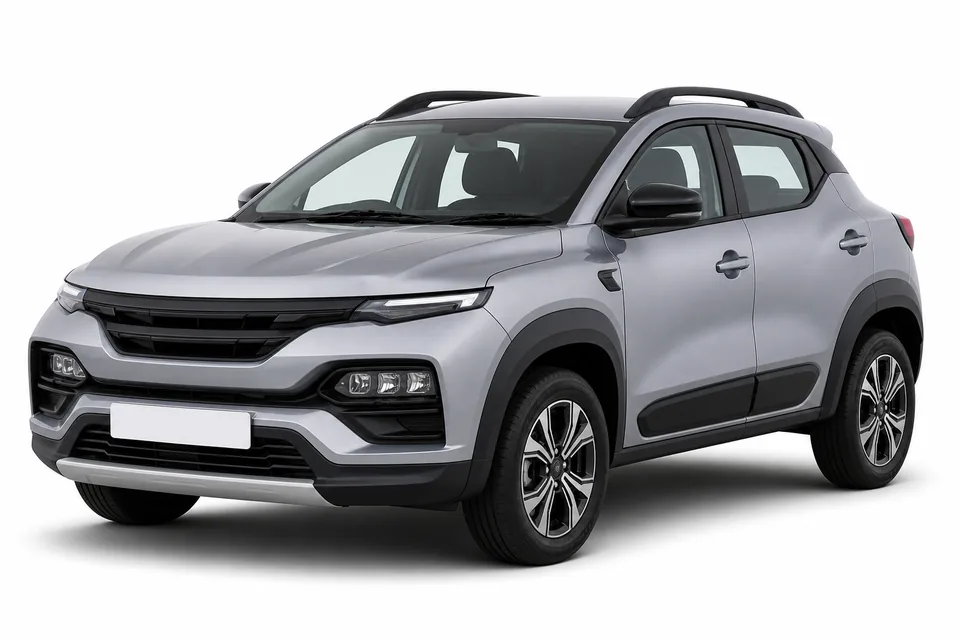
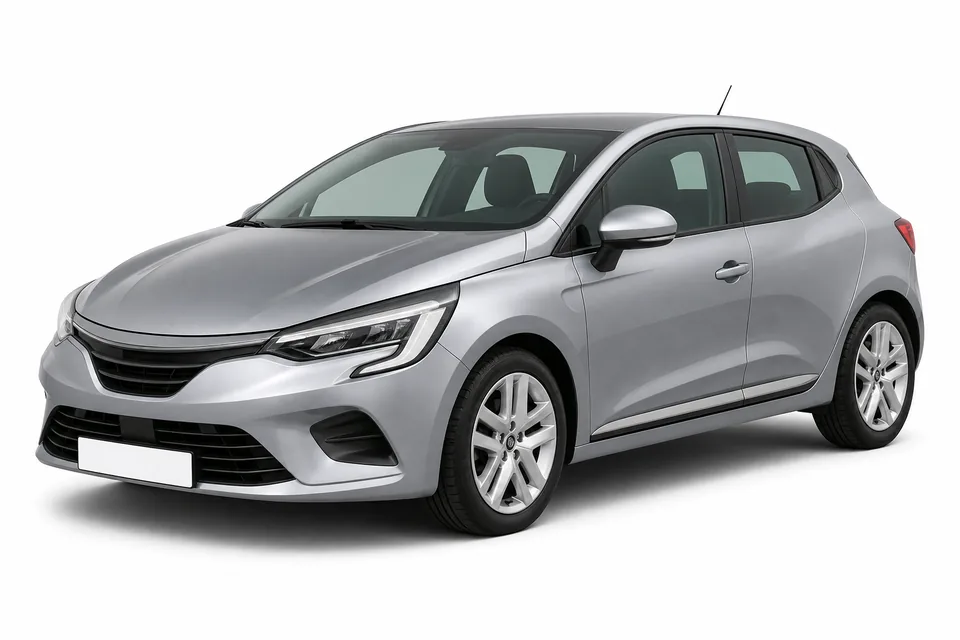
Renault South Africa's own brochures put front discs and rear drums on both the Kwid and the Kiger. cars.co.za says of the second-generation Sandero that all derivatives made do with drum brakes at the rear. And on the Clio V, Renault listed rear brake discs as a feature the Intense grade adds over the trims below it — so on that car, rear brakes are a trim-level question rather than a model-level one.
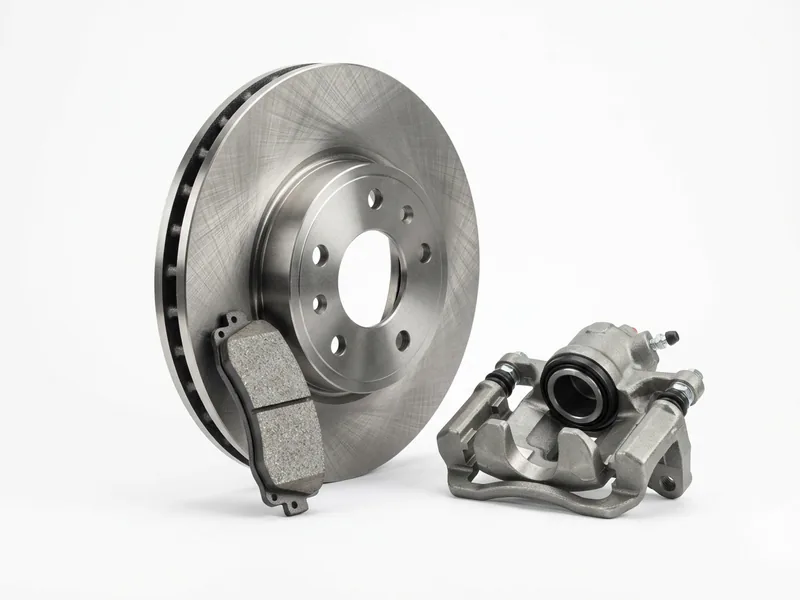
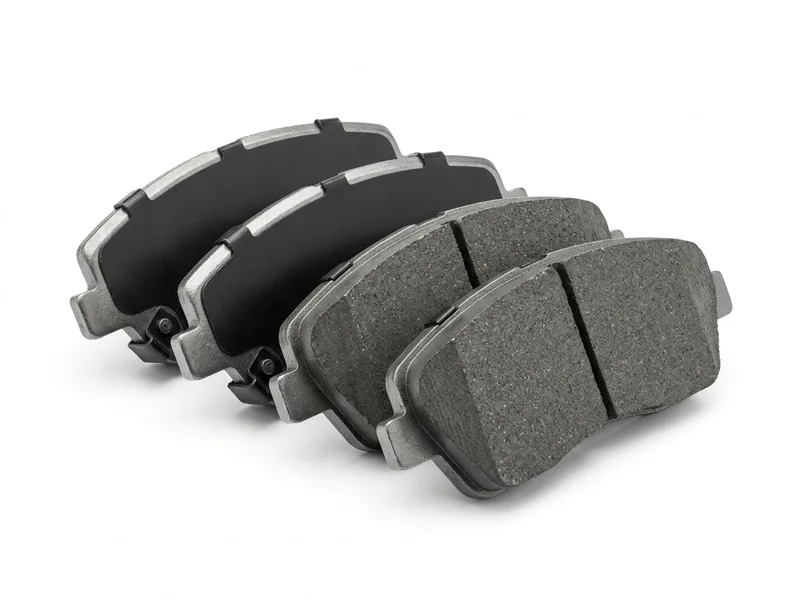
That matters because a drum and a disc are not variations of the same part. A drum brake takes shoes, a wheel cylinder, springs and an adjuster. A disc takes pads, a caliper and a rotor. Asking for "rear brakes for a Sandero" and being sent pads is a wasted courier run in both directions.
One documented wear note worth having
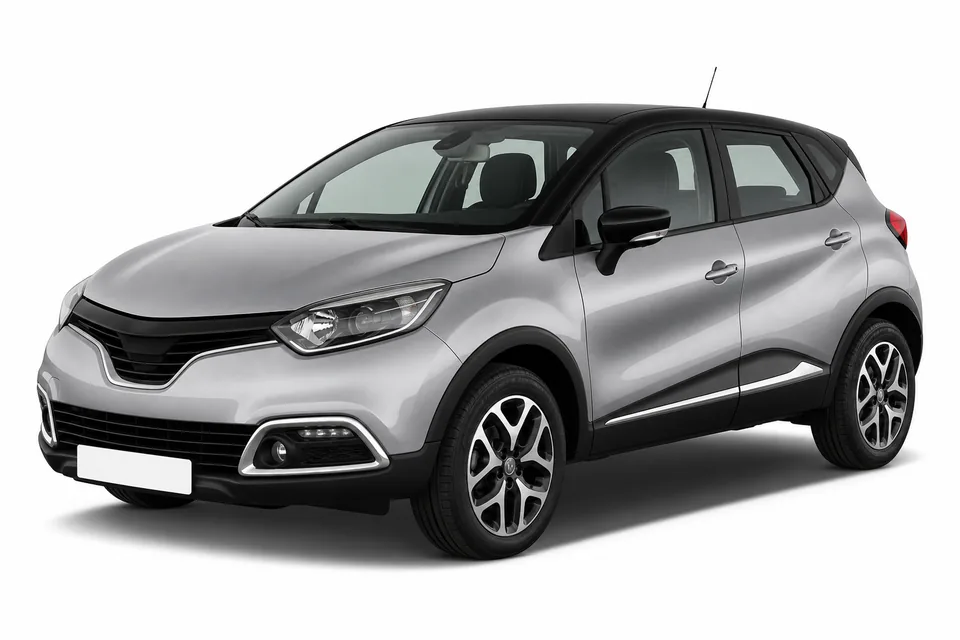
One documented wear note worth having: cars.co.za reports numerous local instances of premature wear on the brakes of the Captur. If yours is a Captur and the brakes seem to be going through pads faster than you would expect, that is a reported pattern rather than something unique to your car.
How you know brakes are on the way out
Recognise any of that? Tell us the model and year and we will go and check what we can get hold of for you.
The questions we ask before we price brakes
- What you are really deciding
- Whether the back of your car takes pads and a disc, or shoes and a wheel cylinder.
- Where Renault differs
- Rear drums are common across this range rather than exceptional. Renault SA's own brochures put front discs and rear drums on the Kwid and the Kiger, and cars.co.za states that every South African second-generation Sandero derivative had drums at the rear. On the Clio V, rear discs were listed as something the higher Intense grade added — so on that car it is a trim question.
- Where the car was built
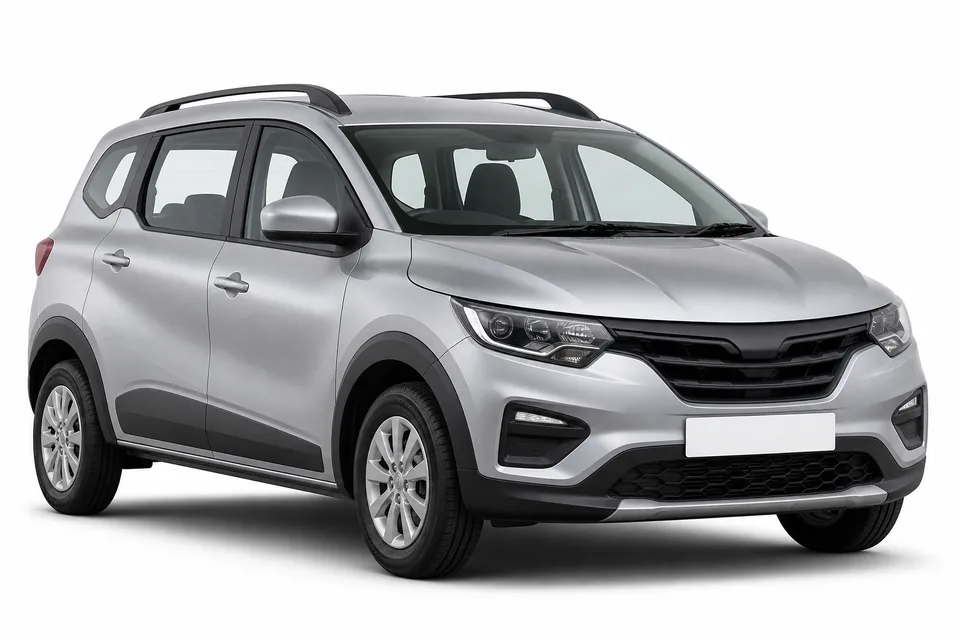
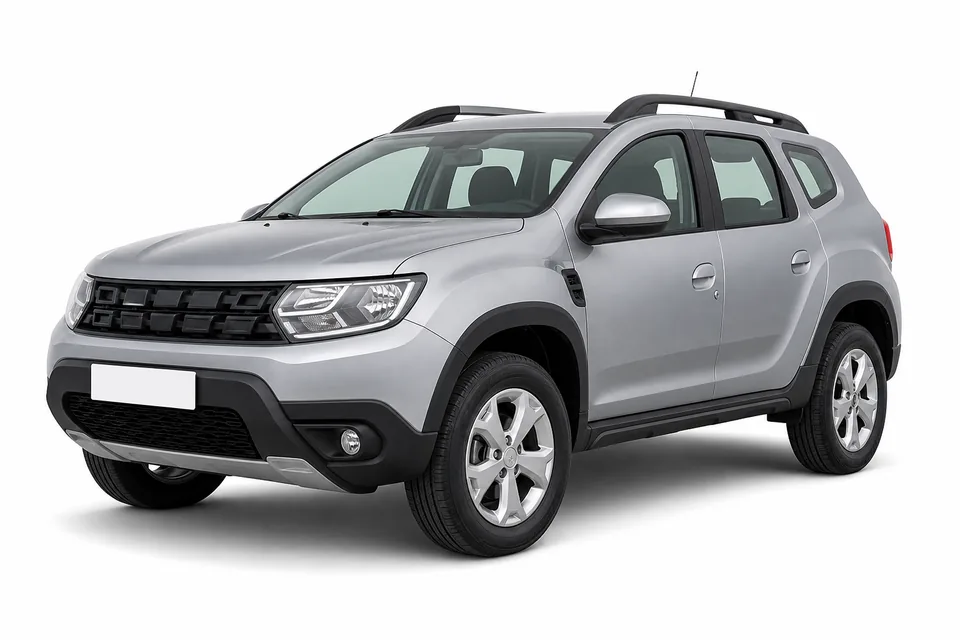
Renault does not build its South African range in one place, and that decides which supply chain a part comes down. The Triber is Indian-made, on a modified CMF-A platform, and the Kwid and Kiger come off the same Indian industrial base. The Sandero was imported from Romania, and every SA-spec second-generation Duster was built at Dacia's Mioveni plant there. The first-generation Captur sold here came from Renault's Valladolid factory in Spain.
It can show up in the metal, too: the first-generation Duster switched from Indian to Romanian production partway through its life, and cars.co.za observed that the Romanian-built cars appear to have benefitted from better rust-proofing and paint quality.
- What to send us
- The derivative, and which axle you need. With that in front of us we can normally settle the right brakes without a back-and-forth.
Brakeswe source
Further reading on brakes
Independent sources, not ours. Worth a look if you want the background before you enquire.
Brakes — what customers usually ask
Does my Renault have rear discs or rear drums?
It depends on the model and sometimes the trim. Renault South Africa's Kwid and Kiger brochures both list front discs and rear drums. cars.co.za states that every South African second-generation Sandero had rear drums. On the Clio V, Renault listed rear brake discs among the features the Intense grade adds. For the Duster, Captur, Koleos, Megane and Kadjar we have not found a South African source that states it either way, so we check the car rather than guess. Send the VIN and we will confirm before anything ships.
How much does it cost to replace brake discs in South Africa?
We quote per enquiry. The honest reason is that "brake discs for a Renault" spans a very wide range depending on whether the discs are solid or ventilated, what diameter they are, and whether you want originals or a quality aftermarket equivalent — and on some of these cars the rear does not take a disc at all. Tell us the model, the derivative and which axle, and you will get a real figure instead of a range that does not describe your car.
Can I replace brake discs myself?
If you have done it before, have proper axle stands and a torque wrench, and know how to bed new discs in, it is within reach on most of these cars. Two cautions. Discs and pads should be done together, and always in axle pairs — never one side. And on any car with an electric parking brake, the rear calipers must be put into service mode with a diagnostic tool before the pistons will retract, and forcing them causes damage. If you are not certain, this is a job worth paying for.
Why do my Captur brakes wear so quickly?
You may not be imagining it. cars.co.za, writing about the South African Captur, reports numerous local instances of premature wear on the brakes. Beyond that, the ordinary causes apply: a sticking caliper slide pin holding a pad in light contact, a seized handbrake cable, or simply a lot of stop-start city driving. A sticking caliper is worth ruling out because it destroys a new set of pads as fast as it destroyed the last one.
Should I buy used brake parts?
For friction material, no, and we will say so — pads, shoes and discs are wear items where new is the right answer and the saving is not worth the risk. Where used makes sense is the hardware around them: calipers, carriers, backing plates, drums, master cylinders and ABS units, particularly on older models where new parts have become scarce. That is the split we work to.