
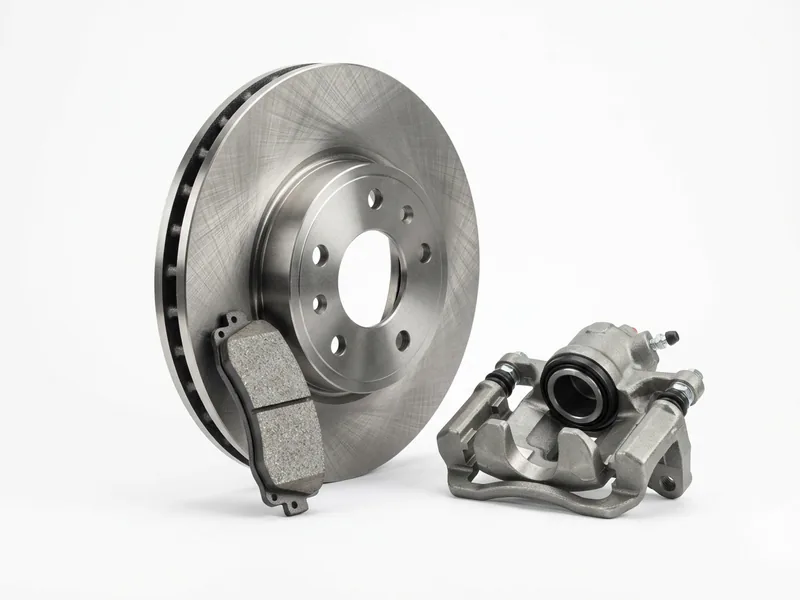
Renault Brake Pads
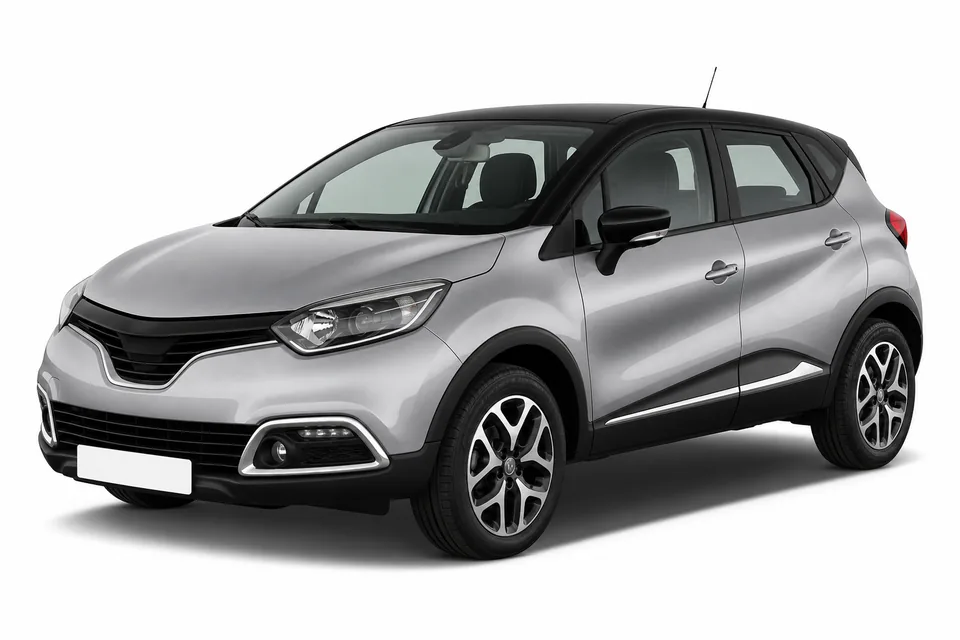
Ask for "a set of pads" for a Renault and the first thing we need to know is whether the back of your car has discs or drums, because every South African Sandero ran drums at the rear and drums take shoes. cars.co.za also reports "numerous local instances of premature wear on the brakes" on the Captur, so on that one it is worth checking the discs at the same time.
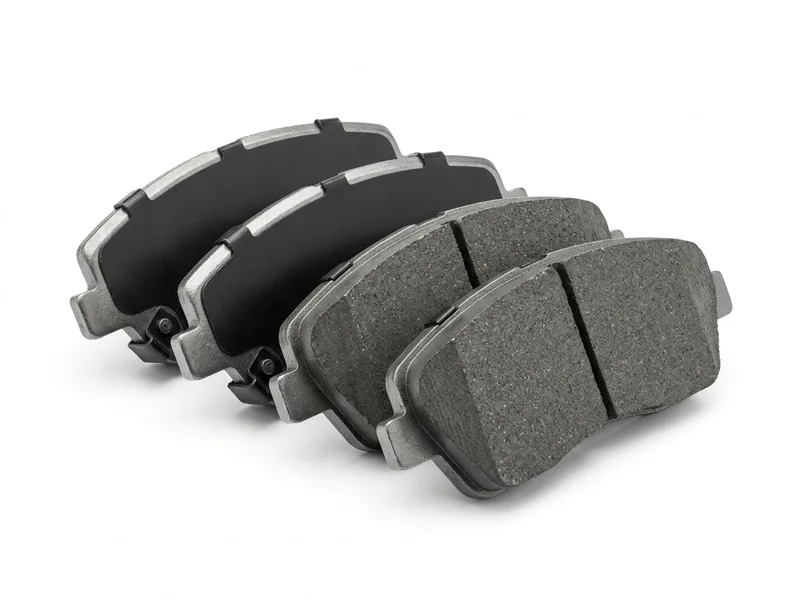
- Trade counter at 89 Chris Hani Road, Briardene
- Collect from the counter, or courier with the carriage in the quote
- Price, condition and fitment settled on a written quote
Brake Pads, explained
The most useful thing we can tell you about Renault brake pads is that on several of these cars the back axle does not take pads at all.
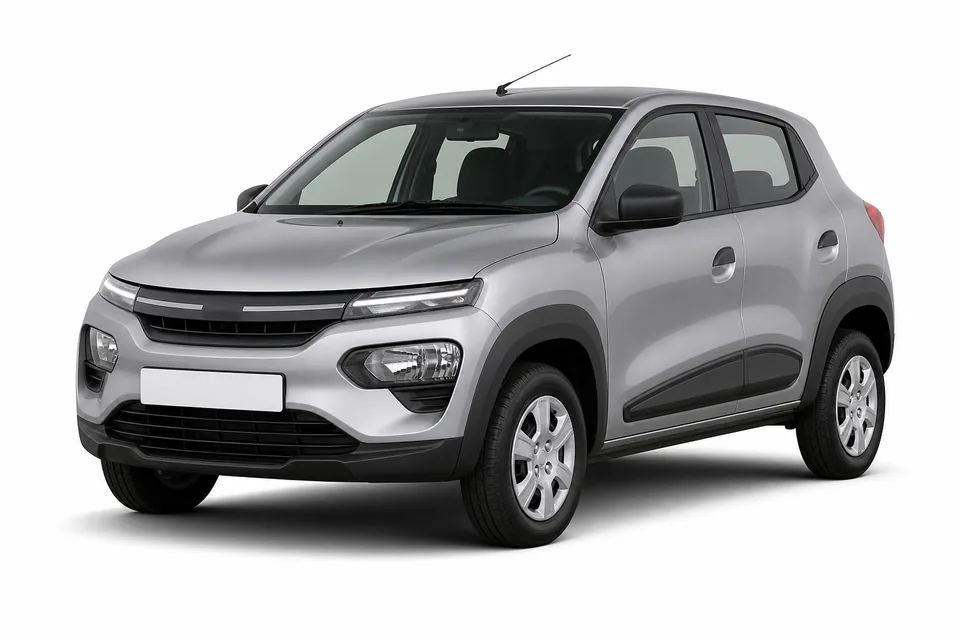
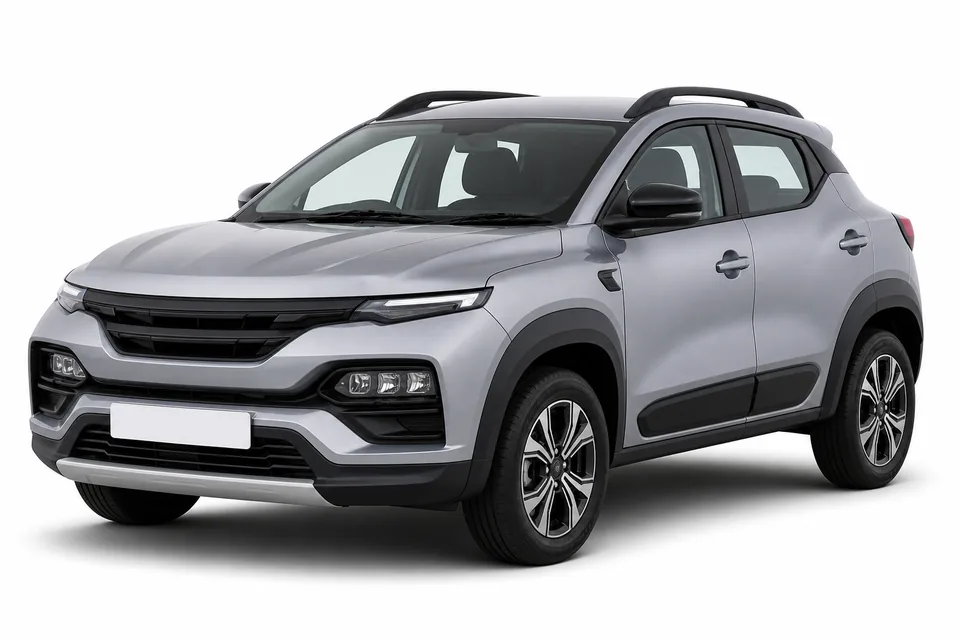
Renault South Africa's brochures list rear drums on the Kwid and the Kiger
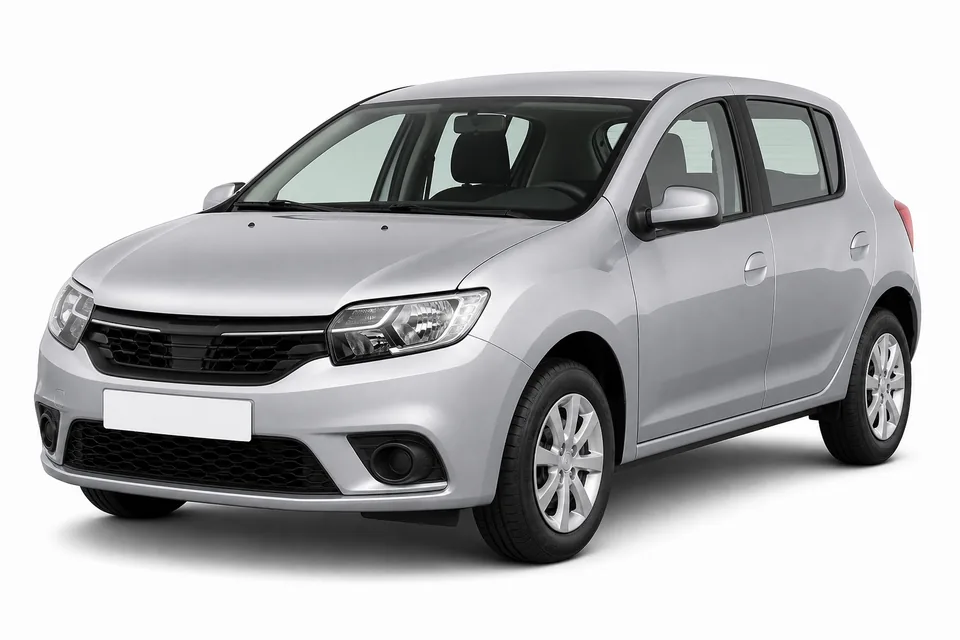
Renault South Africa's brochures list rear drums on the Kwid and the Kiger. cars.co.za states that every South African second-generation Sandero derivative had drums at the rear. A drum brake takes shoes, not pads — different shape, different part, different price. So when someone asks us for a full set of pads for a Sandero, the first thing we establish is whether they mean front pads and rear shoes, because that is what the car actually needs.
On the front, all of these cars run discs, and pads are pads. What varies is disc diameter and caliper type between derivatives — a road test of the Sandero Stepway Techroad, for instance, records 258 mm front discs — so the trim and the wheel size are worth mentioning when you enquire.
Two practical notes
Two practical notes. Pads are always replaced in axle pairs, never one side, because uneven friction across an axle is a genuine handling problem. And if a set has worn unusually fast, the pads are rarely the cause — look at the caliper slide pins first.
How you know brake pads are on the way out
Recognise any of that? Tell us the model and year and we will go and check what we can get hold of for you.
Why two identical-looking Renaults take different brake pads
- What you are really deciding
- Whether the back of your car takes pads and a disc, or shoes and a wheel cylinder.
- Where Renault differs
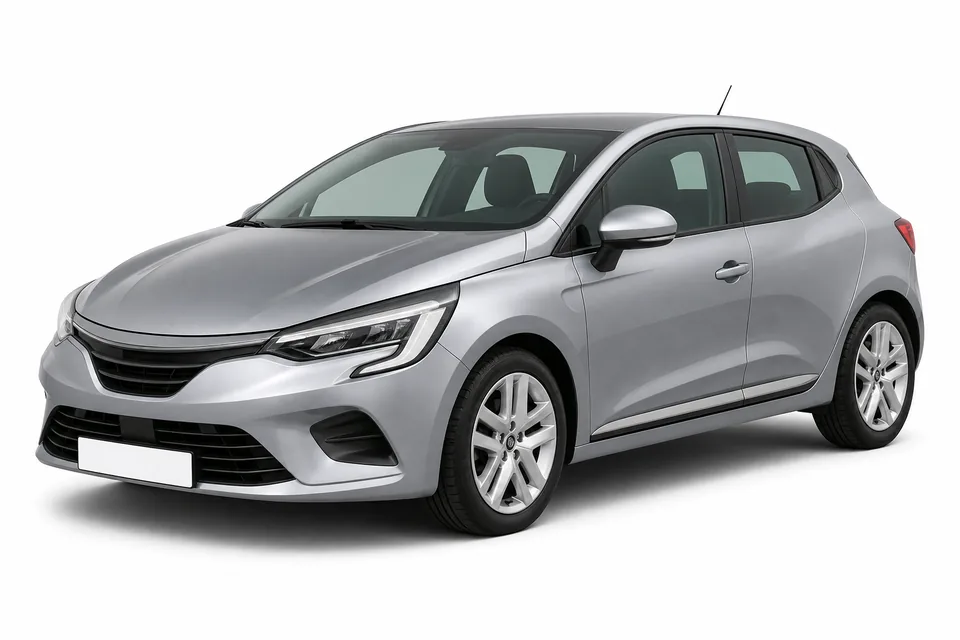
- Rear drums are common across this range rather than exceptional. Renault SA's own brochures put front discs and rear drums on the Kwid and the Kiger, and cars.co.za states that every South African second-generation Sandero derivative had drums at the rear. On the Clio V, rear discs were listed as something the higher Intense grade added — so on that car it is a trim question.
- Where the car was built
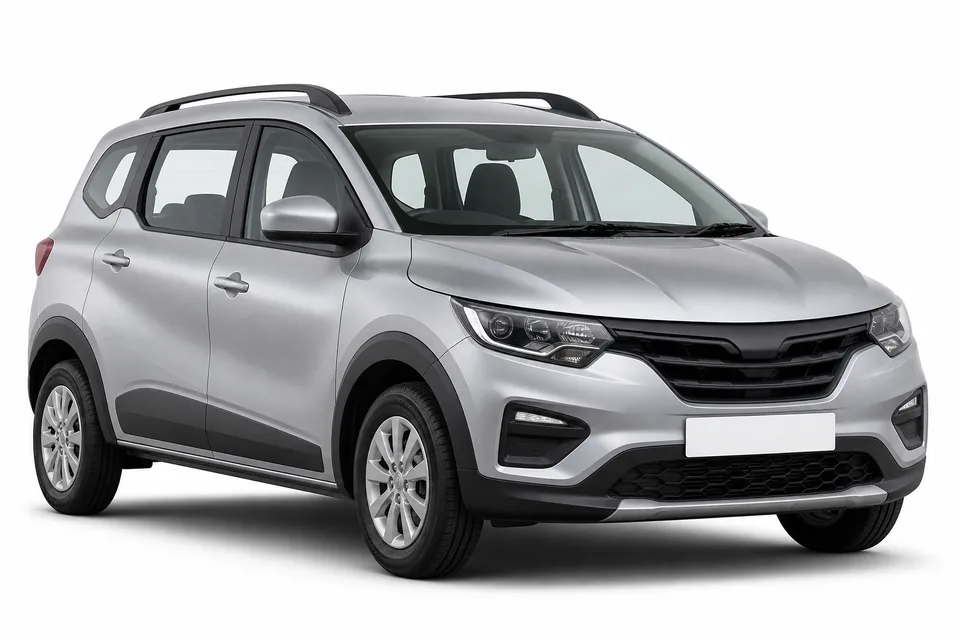
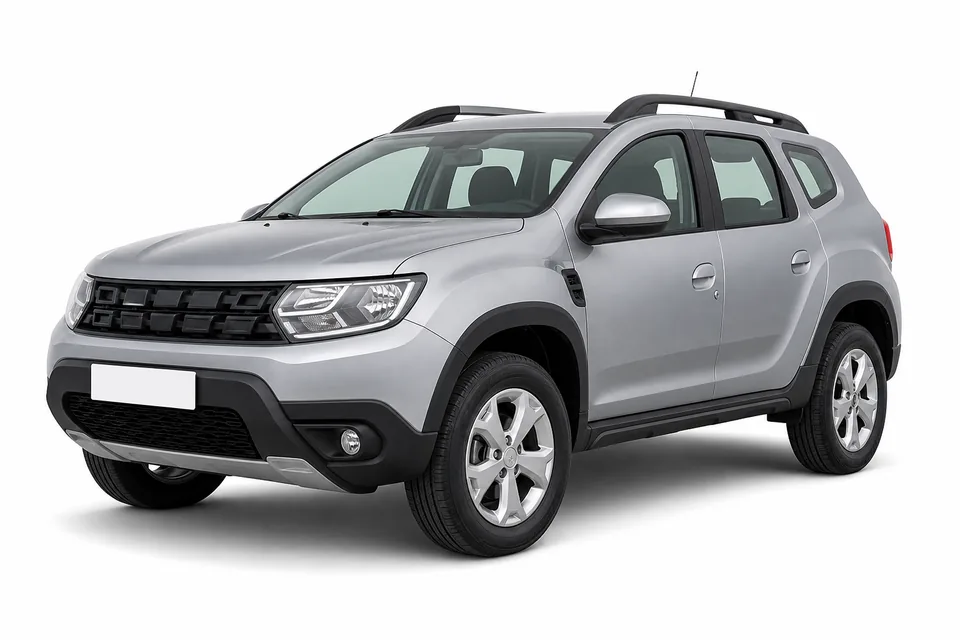
Renault does not build its South African range in one place, and that decides which supply chain a part comes down. The Triber is Indian-made, on a modified CMF-A platform, and the Kwid and Kiger come off the same Indian industrial base. The Sandero was imported from Romania, and every SA-spec second-generation Duster was built at Dacia's Mioveni plant there. The first-generation Captur sold here came from Renault's Valladolid factory in Spain.
It can show up in the metal, too: the first-generation Duster switched from Indian to Romanian production partway through its life, and cars.co.za observed that the Romanian-built cars appear to have benefitted from better rust-proofing and paint quality.
- What to send us
- The derivative, and which axle you need. With that in front of us we can normally settle the right brake pads without a back-and-forth.
Further reading on brake pads
Independent sources, not ours. Worth a look if you want the background before you enquire.
Brake Pads — what customers usually ask
How much do brake pads cost for a Renault Kiger?
We quote rather than publish a figure, but there is a specific thing worth knowing on the Kiger before you shop: Renault South Africa's own MY22 brochure lists the Kiger with front discs and rear drums. So a "full set of pads" for a Kiger is really front pads plus rear shoes, and any quote you get for four pads is describing a car that is not yours. Tell us front, rear or both and we will price it correctly.
How much do brake pads cost for a Renault Clio?
It depends which Clio and which trim, more than people expect. On the Clio V, Renault listed rear brake discs as something the Intense grade adds — so two Clios of the same year can need different rear parts entirely. The Clio IV also spanned several engines including the RS models, which have quite different brakes from a 0.9 Expression. Send us the derivative and we will quote the actual car.
How much are Renault brake pads generally?
We do not publish a price, and we would rather explain why than pretend it is a secret. A rand figure for "Renault brake pads" would have to cover a Kwid and a Megane RS, front and rear, original and aftermarket — a range so wide it tells you nothing useful about your car. What we will do is quote your derivative, your axle and the quality level you want, and tell you plainly where the aftermarket option is a sensible saving and where it is not.
How often should Renault brake pads be replaced?
There is no fixed interval, and anyone quoting you one in kilometres is guessing about how you drive. Pads are a wear item — Renault South Africa's own warranty text lists brake pads among the wear-and-tear items its warranty does not cover — and city driving in traffic wears them several times faster than highway distance. Have them measured at every service and replace on thickness rather than on kilometres.
Do I need to replace the discs at the same time?
Not always, but check the thickness rather than assuming. Discs have a minimum thickness stamped on them, and a disc below that is unsafe regardless of how it looks. If the discs are scored, lipped at the edge or below minimum, replace them with the pads. Fitting new pads to worn discs gives you poor bedding-in, noise, and pads that wear unevenly from day one.
Are cheap aftermarket pads a false economy?
Not necessarily — there are good aftermarket brands used by workshops every day. What we would steer you away from is the very bottom of the market, where the friction material is unknown and the difference shows up as fade when the brakes get hot and as accelerated disc wear. Brakes are the one system where we would rather sell you the middle option than the cheapest one.