031 943 9999

Mon–Thu 8–5 · Fri 8–4 · Sat 8:30–12

Renault Parts

The Renault parts we source for South African cars, grouped by system. Tell us the model, the year and the engine code and we will confirm what fits before we quote.

Renault engine parts of the kind we source in South Africa

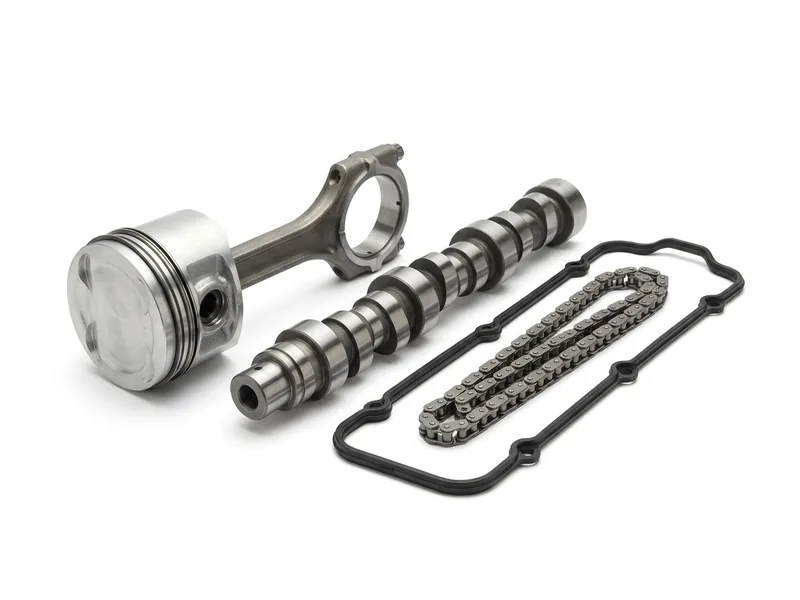
Engine Parts

Most of the Renaults on South African roads today are three-cylinder cars — the 0.9 turbopetrol in the Sandero, Clio and Captur, the 1.0 in the Kwid, Triber and Kiger. That matters when you are buying engine parts second-hand, because a three-pot shares almost nothing with the 1.6 petrol or the 1.5 dCi. Tell us which one you have and we will work from there.
Renault transmission of the kind we source in South Africa

Transmission

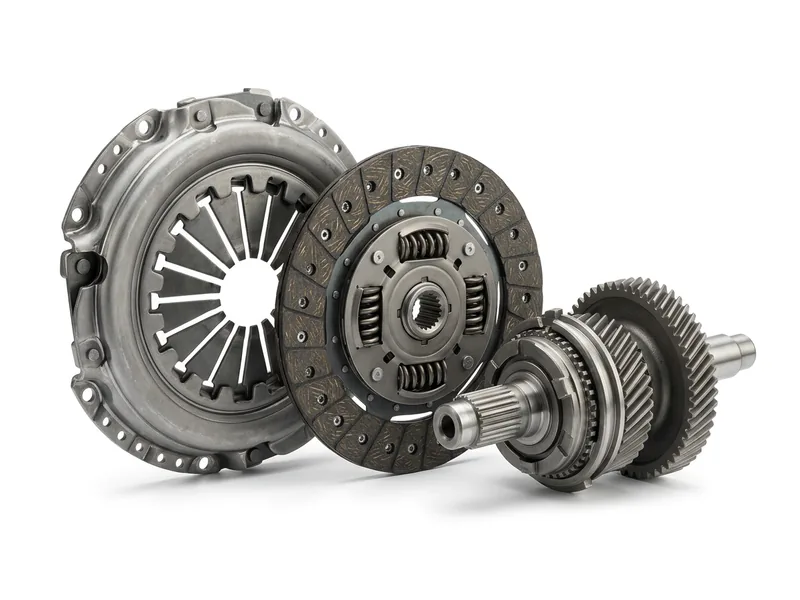
Renault has sold four completely different kinds of automatic in South Africa, never mind the manuals: the Easy-R automated manual in the Kwid and Triber, a CVT in the Koleos and the turbo Kiger, and an EDC dual-clutch that came as a six-speed on some cars and a seven-speed on others. They share a badge and almost nothing else. Which one you have is the whole job here.

Renault brakes of the kind we source in South Africa

Brakes

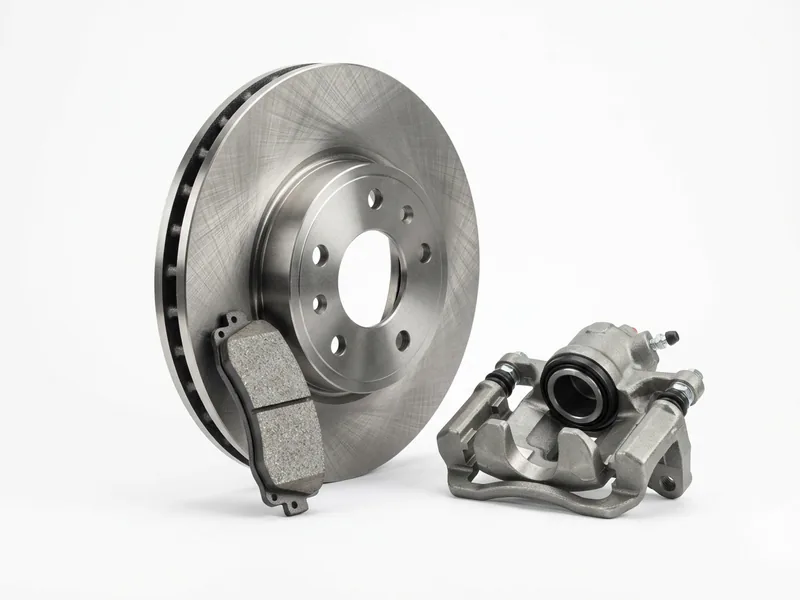
"Rear brakes" does not mean the same thing on every Renault sold here. cars.co.za records that every South African second-generation Sandero derivative "made do with drum brakes at the rear", and a drum needs shoes and a wheel cylinder rather than pads and a disc. Get that wrong and the box you receive is useless. We settle the derivative first, then quote.

Renault suspension of the kind we source in South Africa

Suspension

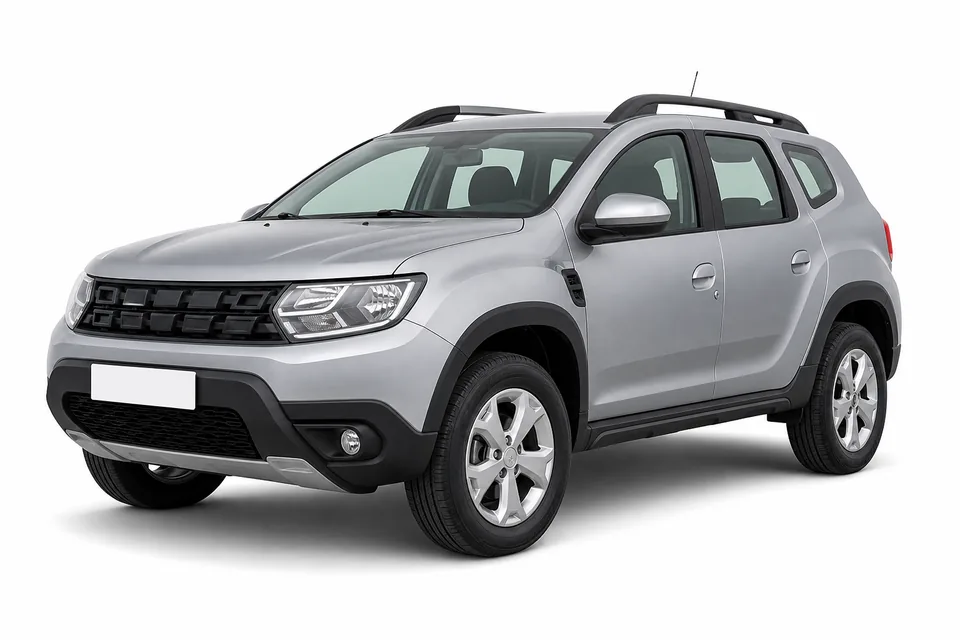
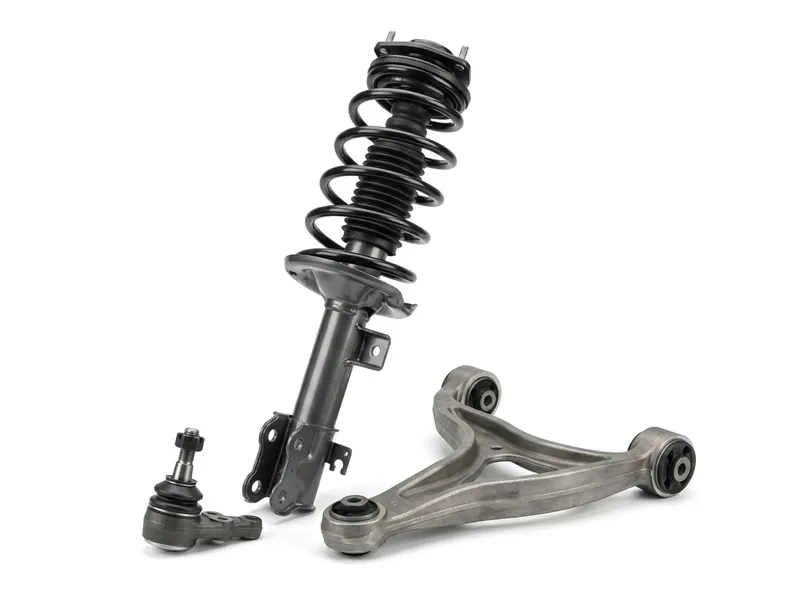
Renault SA's own brochures put a MacPherson strut at the front and a twist beam at the rear of the Kwid and the Kiger, which is the pattern across the small cars. The exception matters: on the second-generation Duster the front-drive versions used a torsion-beam rear and the 4WD upgraded to a multi-arm setup, so those two have entirely different back ends. Ride height differs too — 180 mm on the Kwid, 205 mm on the Kiger, and a Sandero Stepway sits 29 mm above the standard hatch.

Renault cooling of the kind we source in South Africa

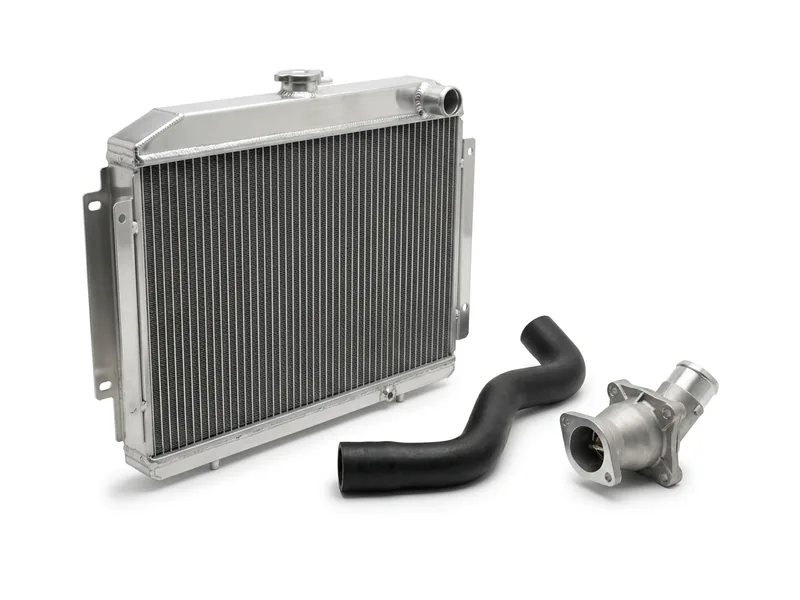
Cooling

Cooling is the system this range actually gets talked about for. Reviewing the Clio IV, cars.co.za reported a tendency for the plastic thermostat housing on three-cylinder models to warp over time and leak coolant, and its Sandero guide flags the same thing. If your Renault is dropping coolant with no obvious puddle, that housing is worth looking at before you condemn anything expensive.

Renault electrical of the kind we source in South Africa

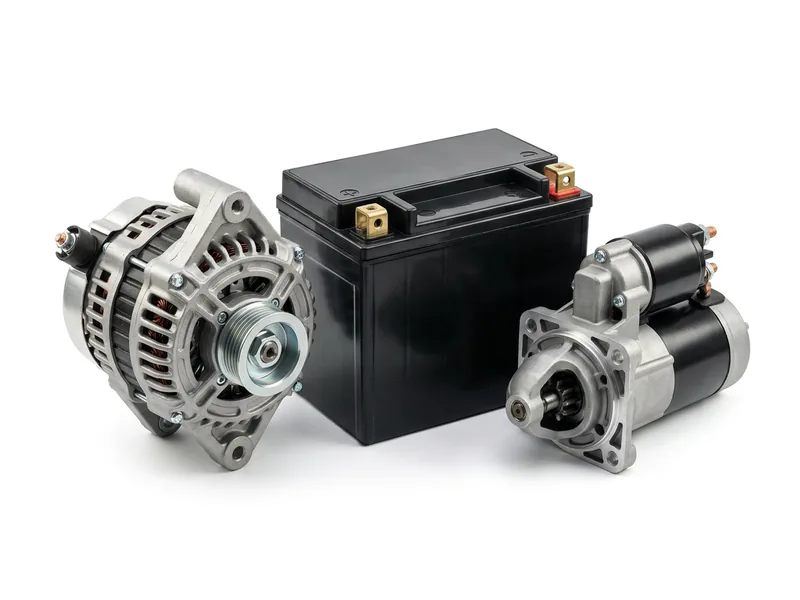
Electrical

Electrical faults are what Renault gets a reputation for, fairly or not, and a used electrical part is the one most likely to arrive correct and still not work — because it is coded, or because the trim it came off had a different loom. Batteries, alternators and starters are straightforward. Body computers and ECUs are not. We tell you which side of that line your part sits on before you pay for it.

Renault fuel system of the kind we source in South Africa

Fuel System

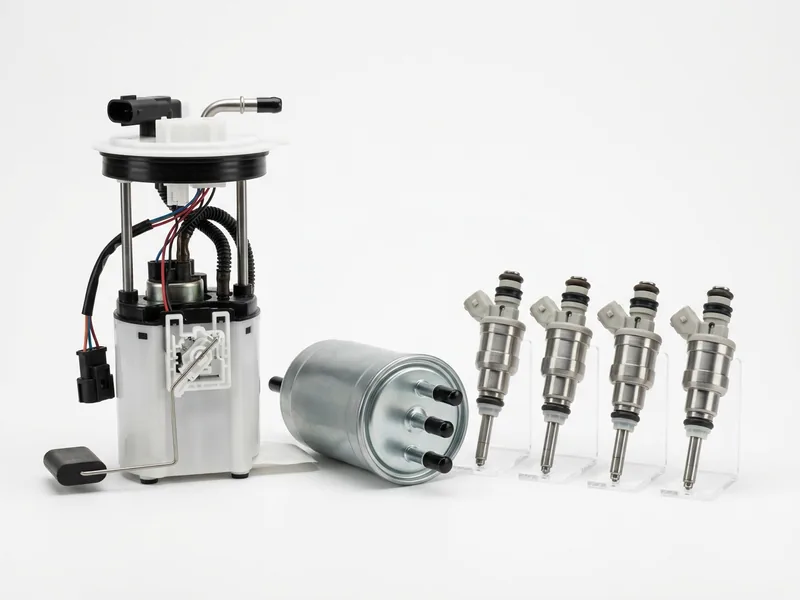
Two very different fuel systems live in this range. The petrols run port injection at ordinary fuel pressures; the 1.5 dCi in the Duster and Captur is common-rail diesel running at pressures where a worn injector does real damage. The cars.co.za Clio IV guide also lists a failing fuel sensor unit as a reported fault. Petrol or diesel is the first question we ask.

Renault exhaust of the kind we source in South Africa

Exhaust

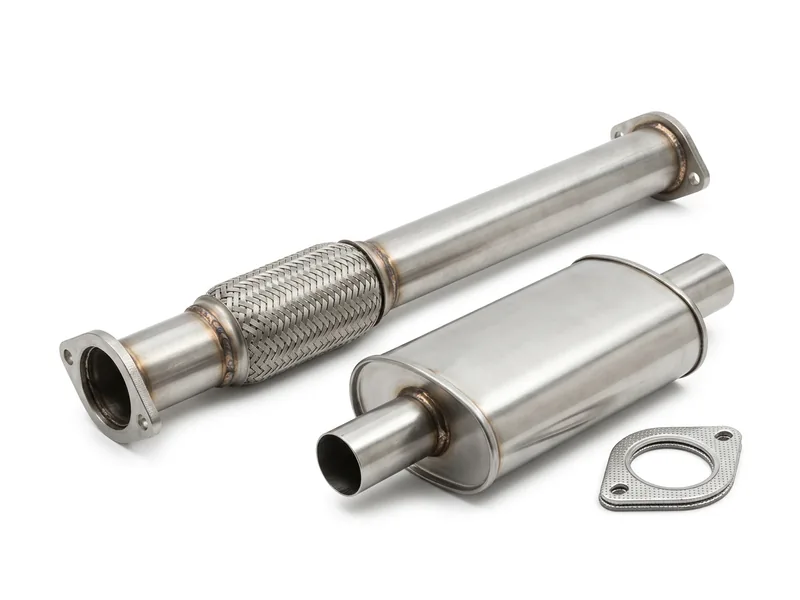
What hangs under a Renault depends entirely on whether it burns petrol or diesel. The petrols run a catalytic converter; the 1.5 dCi runs a diesel particulate filter, and cars.co.za notes that clogged DPFs on the second-generation Duster are "by no means uncommon". Those are different parts, different money and different problems.

Renault lighting of the kind we source in South Africa

Lighting

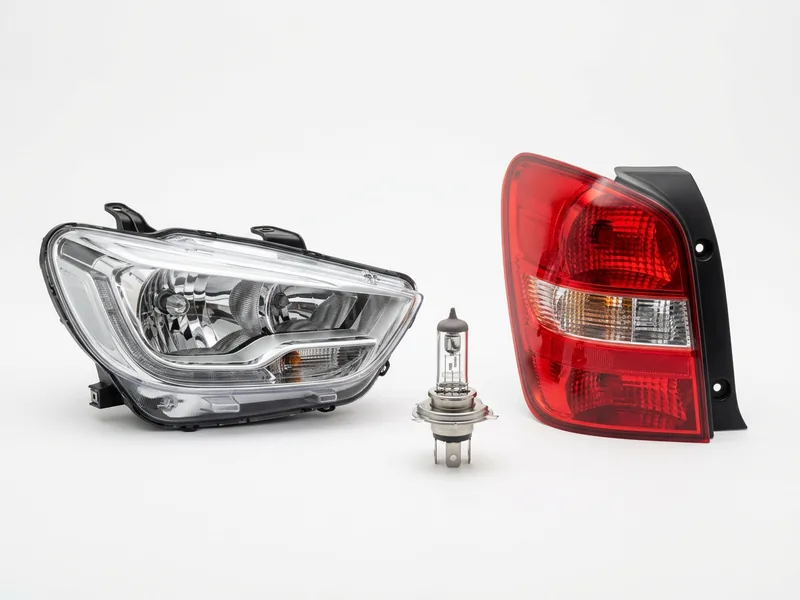
The National Road Traffic Regulations, as published by Arrive Alive, require a dipped beam with a cut-off that runs diagonally up to the left, and state it "shall not deflect to the right". A headlamp built for a left-hand-drive country does exactly the opposite: it throws its bright zone at oncoming drivers and leaves the left verge dark. Aiming it lower does not fix that. It is the first thing we check.

Renault body parts of the kind we source in South Africa

Body Parts

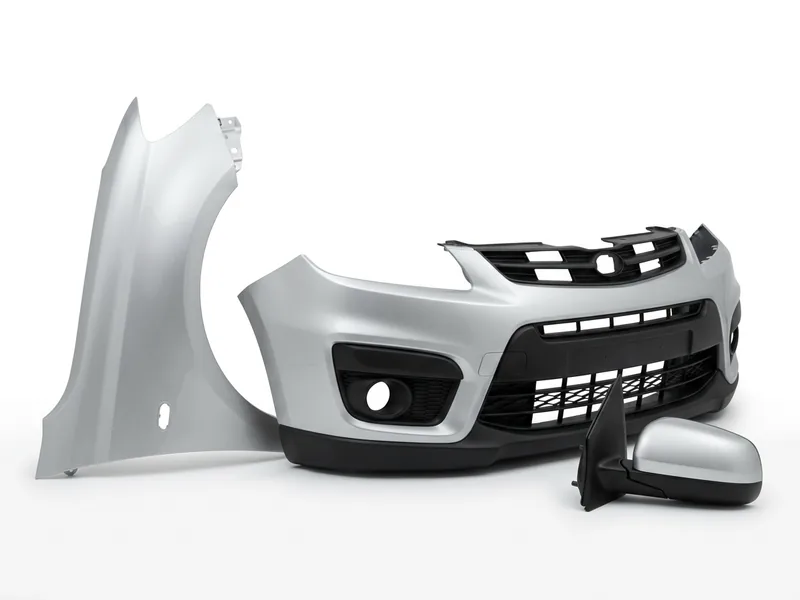
There is no such thing as "a Renault panel" here, because these cars came from three different countries. The Triber is Indian-made, the Sandero and the second-generation Duster came from Romania, and cars.co.za records that the Captur sold in South Africa was sourced from Renault's Valladolid factory in Spain. On the first-generation Duster, which switched from India to Romania mid-life, the same guide notes the Romanian cars appear to have had better rust-proofing and paint.

Renault interior of the kind we source in South Africa

Interior

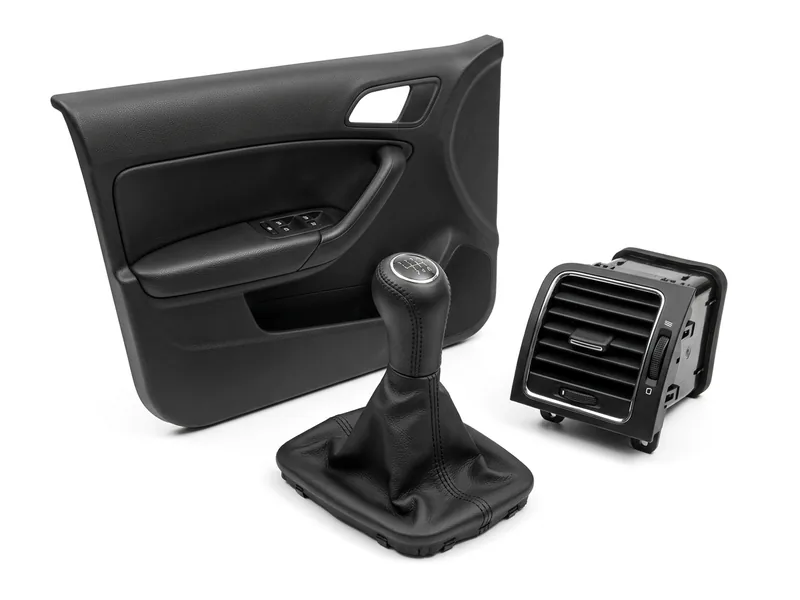
Front seats are the trap. At the Triber's South African launch, cars.co.za reported two airbags on the Expression and Dynamique and side airbags on the Prestige — four in total. The seats look the same. Put a Prestige seat in a Dynamique and you have an airbag the car cannot fire; go the other way and you have a seat that will never deploy. Trim level first, always.

Renault accessories of the kind we source in South Africa

Accessories

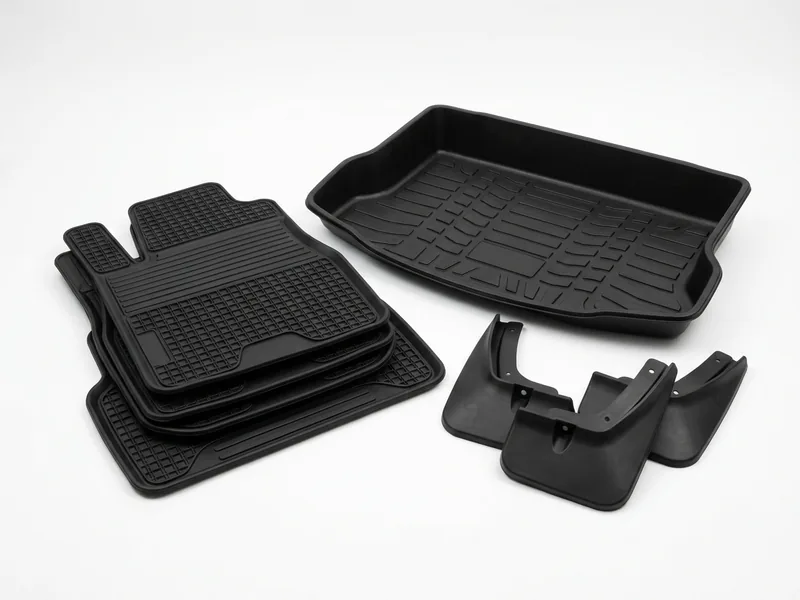
Accessories on this range are mostly dealer-fit or aftermarket rather than built into the car — mats, boot liners, roof bars, mudflaps, tow bars, styling kits. They are the parts most often lost, stolen or binned before a car is resold, which is exactly why people come looking for them second-hand. Tell us the model and year and we will see what we can turn up.

Call WhatsApp