
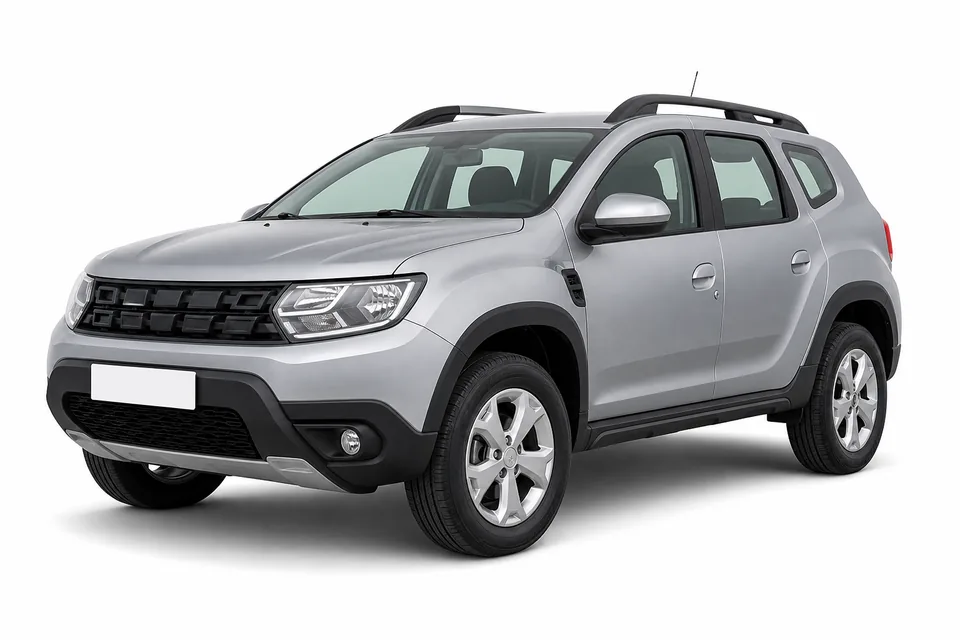
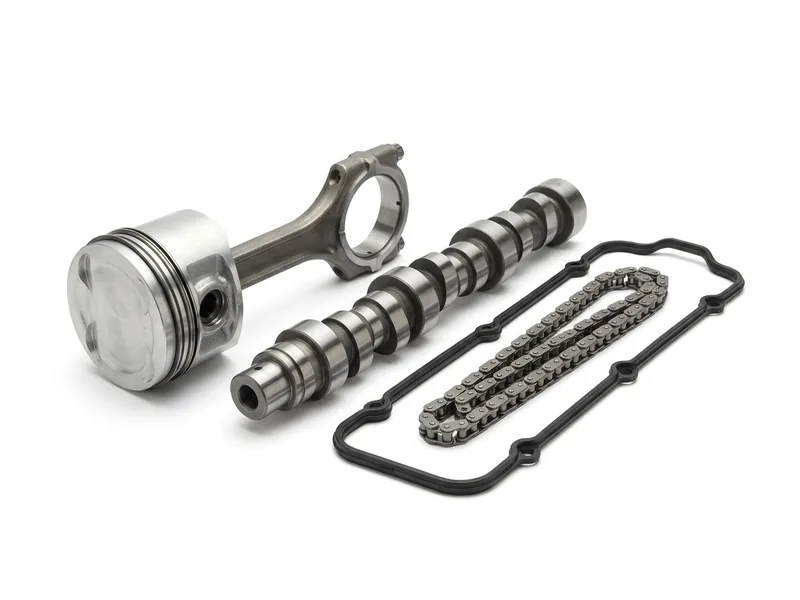
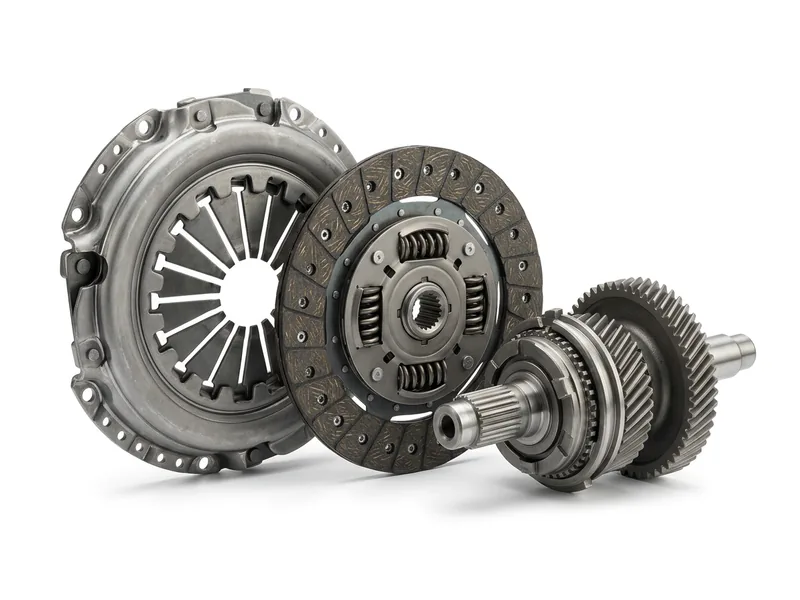
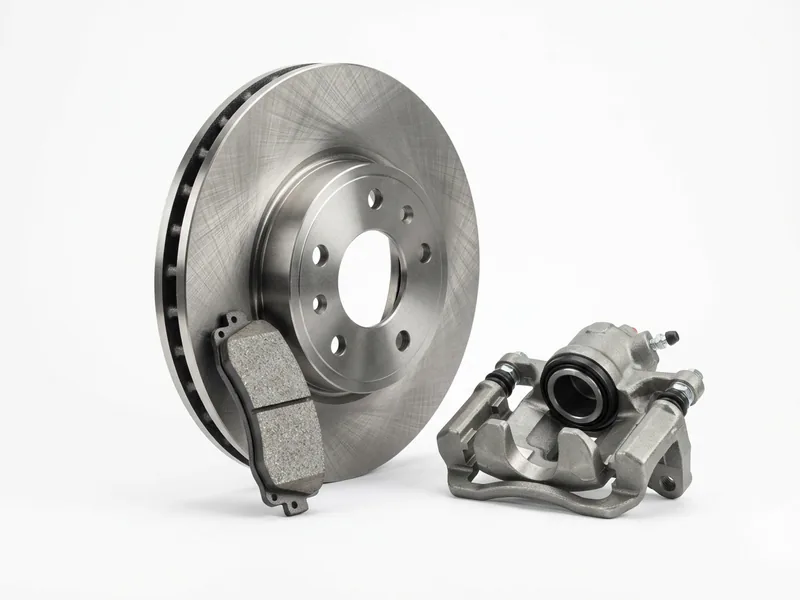
Renault Triber Spares
Renault has sold the Triber here since 2020, and every one of them uses the same naturally aspirated 1.0-litre three-cylinder. What changes is how it drives the wheels: a five-speed manual, or the Easy-R automated manual, which is a manual gearbox with actuators bolted on to work the clutch for you. The badge on the boot will not tell us which you have, so please say.
Local engines: 1.0 naturally aspirated 3-cylinder petrol.
Renault Triber engine
Petrol engines
- 1.0 naturally aspirated 3-cylinder petrol
Triber Spares: the things that actually decide fitment
The Triber has arrived in South Africa as two versions since 2020, the launch car and the 2025 restyle, each sold with a five-speed manual or the Easy-R automated manual, and that on its own changes the answer. The fork on a Triber is the gearbox, not the engine.
cars.co.za describes Easy-R as a conventional five-speed manual with hydraulic actuators added to work the clutch and change gears, so an automated car carries actuator and clutch-control hardware that a manual simply does not have — and the badge on the tailgate does not distinguish the two.
The second thing to settle is where the car sits in the trim history, because the names have turned over completely. The early cars were sold as Life, Zen and Prestige; the range cars.co.za lists after the 2025 revision is Evolution, Techno and Iconic, with the Iconic available as either a manual or an AMT.
Nothing carries across cleanly between those two lists, so a trim name on its own does not tell us the model year and a model year on its own does not tell us the trim. Give us both. The third thing, and the one most often left out of an enquiry, is whether the car is an Express.
topauto.co.za describes the Express as the light commercial version of the Triber, and a panel van is a different set of body and glass parts from the rear doors back, even though everything ahead of the B-pillar is the people carrier you would expect. If yours is the van, say so first — it saves the whole conversation being about the wrong car.
- 1
Track down the generation code for your Triber. It is on the VIN plate, and it is on the original registration paperwork if you still have it.
- 2
Nail down the engine. This market got 1.0 naturally aspirated 3-cylinder petrol in the Triber.
- 3
Send us both, along with the spares you need and the engine code off the plate, or the VIN if you cannot find it. The matching happens before we quote.
The Triber sits on the CMF-A+ platform
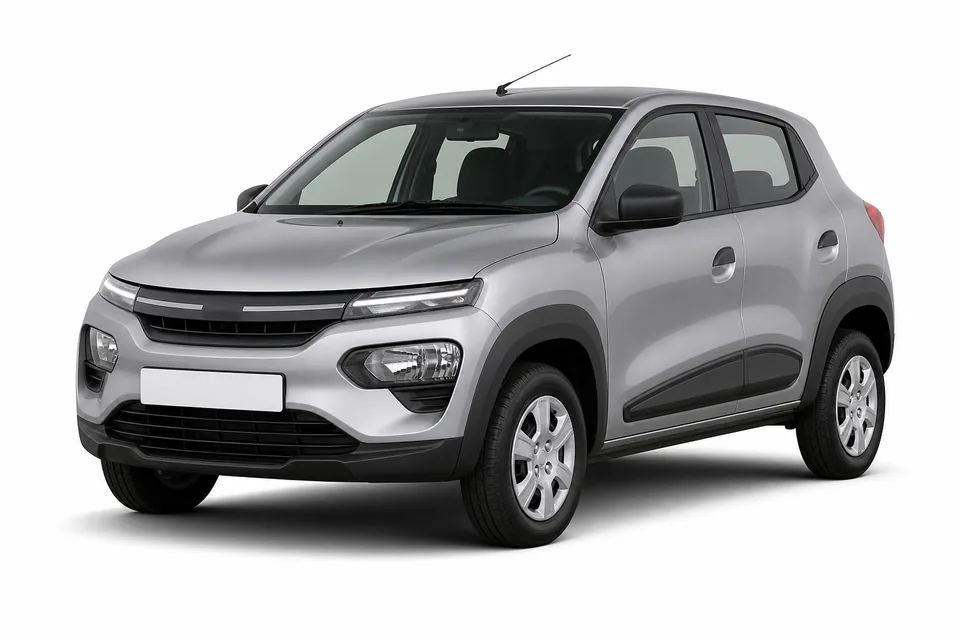
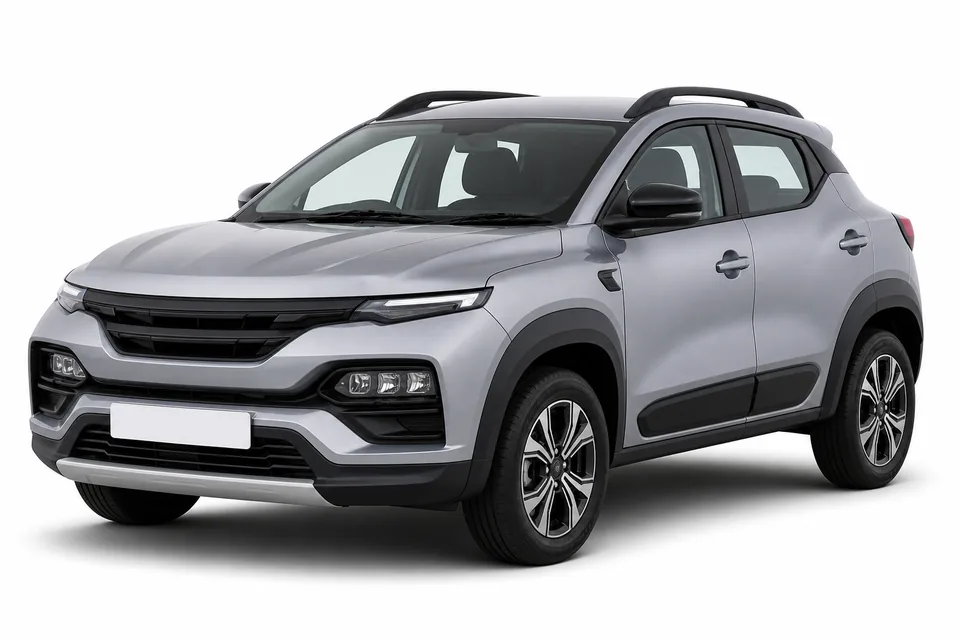
Sourcing note: the Triber sits on the CMF-A+ platform it shares with the Kiger and the Nissan Magnite, all three built in India — and CMF-A+ is itself a stretched version of the CMF-A floorpan under the Kwid, so the four cheapest Renaults and one Nissan are all cousins of a sort. Be careful how far you take that, though. A shared floorpan is a reason for us to go and look at a Magnite or a Kiger when a Triber item is nowhere to be found; it is not a reason to assume a panel, a lamp or a bracket crosses over.
The Triber is the only seven-seater of the group and it is a different shape from the B-pillar back, which is precisely where the sharing stops being useful, which widens the net when local stock runs thin.
Locally, the Triber is mostly bought as cheap seven-seat family transport, which usually means a full load, a long commute and hard kilometres rather than a gentle life. Seven seats in a small car also means the interior trim, the seat mechanisms and the rear doors take far more handling than they would in a five-seater, and that is a category of wear people rarely think to mention when they phone.
That is the wear pattern we source against, and it is why we ask what the car does rather than only what it is.
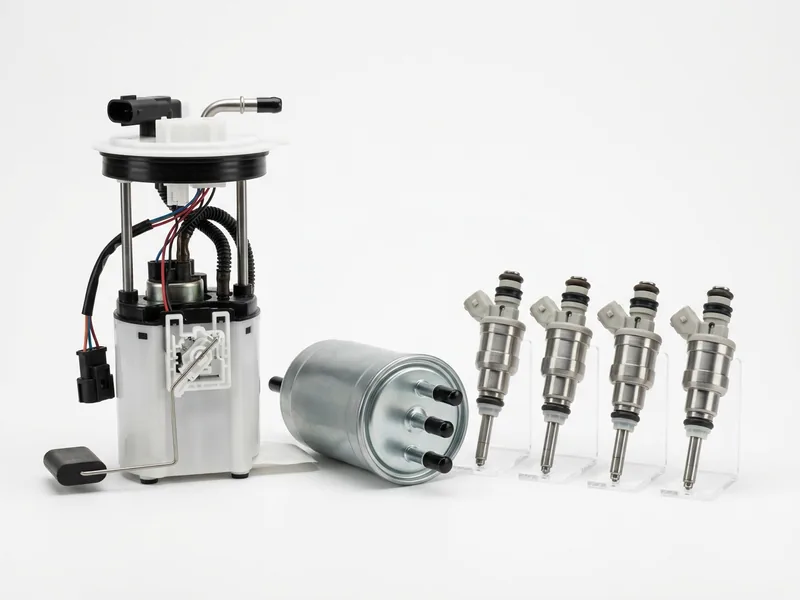
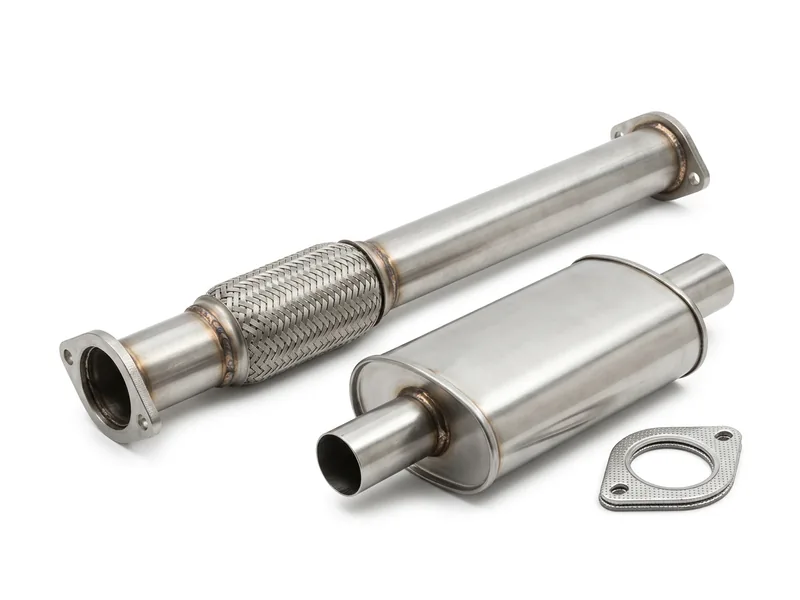
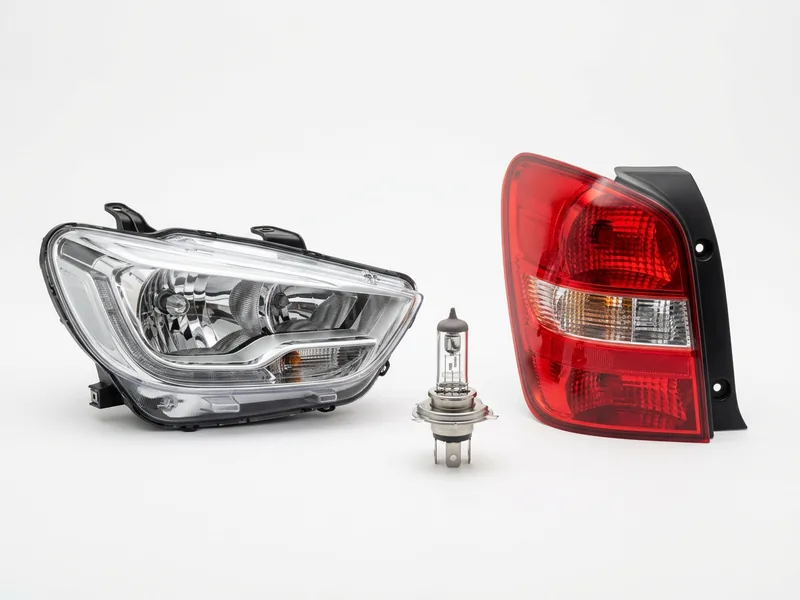
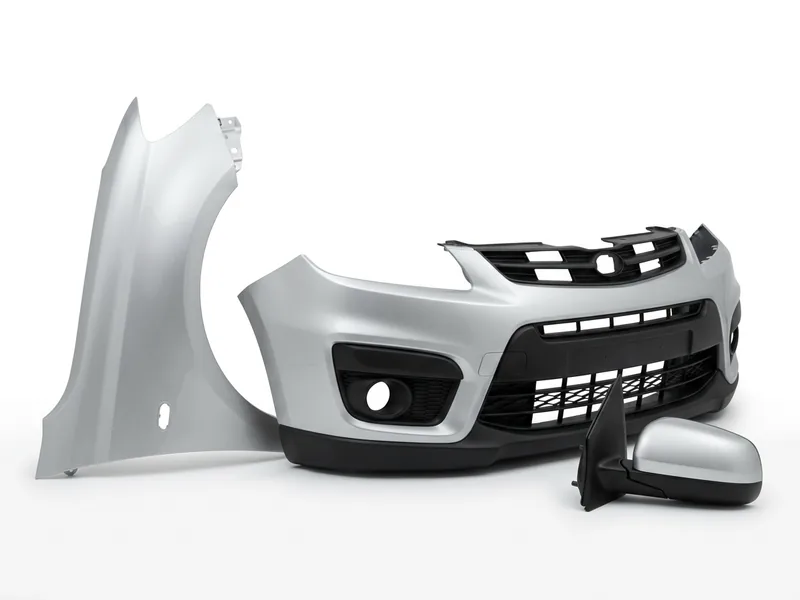
What we source for the Triber
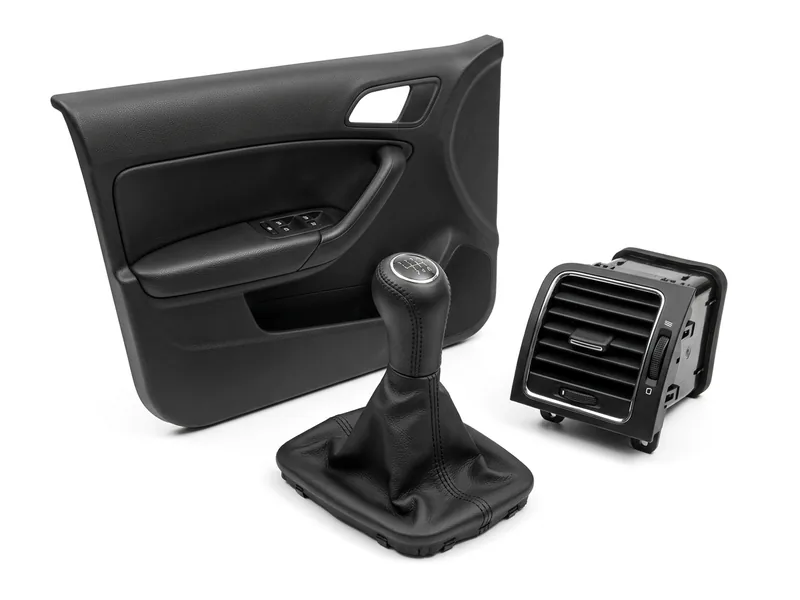
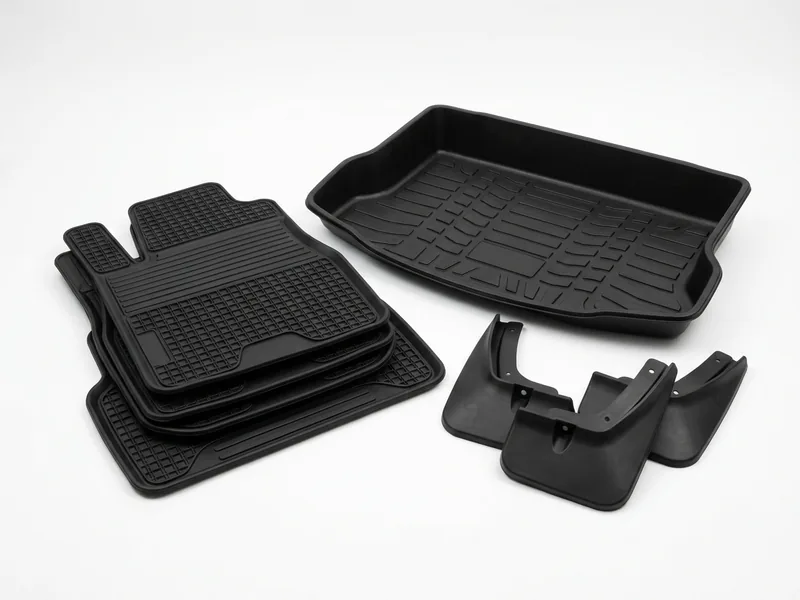
If you are not certain which Triber you have, send the VIN off your licence disc and we will work it out.