
Renault Kwid Spares
The Kwid landed here at the end of 2016 with one engine, the 1.0 SCe three-cylinder, and it has never had another. For parts the line that matters is the 2020 restyle: new headlamps front and back, and wheels that grew from 13 to 14 inches. A pre-facelift car and a post-facelift car are the same model and, in several places, not the same parts.
Local engines: 1.0 SCe naturally aspirated 3-cylinder petrol.
Renault Kwid engine
Petrol engines
- 1.0 SCe naturally aspirated 3-cylinder petrol
How we pin spares to your particular Kwid
What shifts across the years
There is no single Kwid for parts purposes — one engine throughout and two body eras, before and after the 2020 restyle that took the wheels from 13 to 14 inches have all been sold here.
2020 is the line that matters
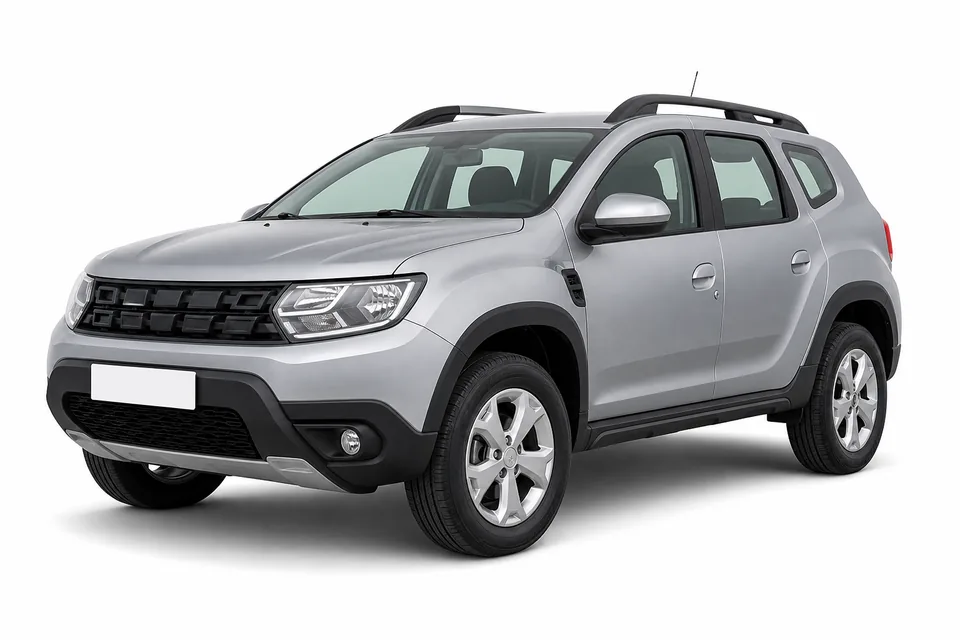
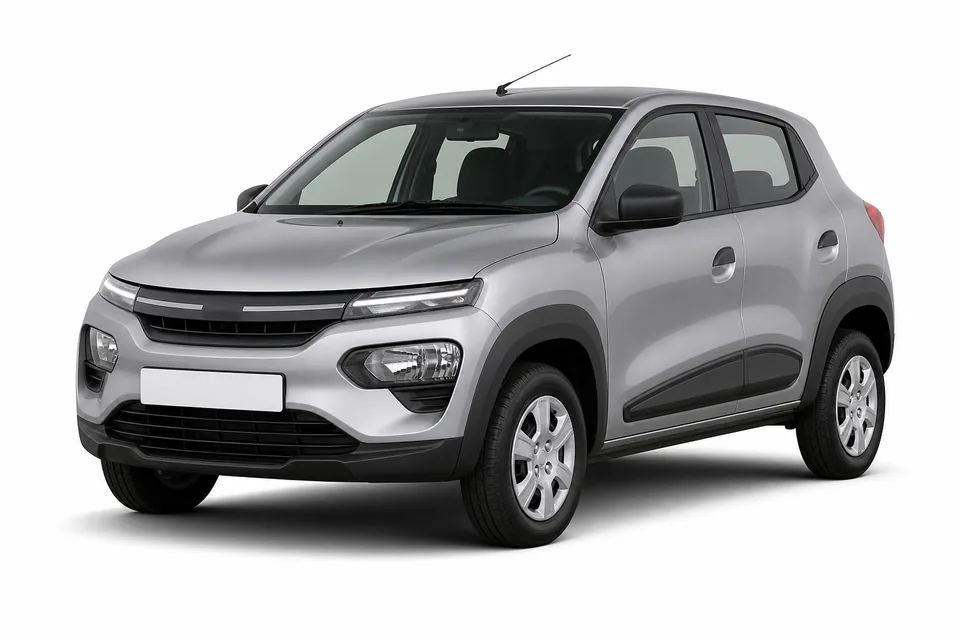
2020 is the line that matters on this car, and it matters more than a restyle usually does. carmag.co.za records that update as bringing a two-tier headlight arrangement with LED daytime running lights, new tail-light clusters with C-shaped light guides, a bigger infotainment screen, dual airbags as standard, and wheels that went up from 13 to 14 inches with redesigned covers. So both ends of the car changed and the rolling stock changed with them: headlamps, tail-lamps, wheel covers, rims and tyres are all items where a pre-facelift part and a post-facelift part are simply different, and where a listing that says only “Kwid” tells you nothing.
The trim names moved as well
The trim names moved as well. Early cars were Expression, Dynamique and Climber; the range cars.co.za lists now is Evolution, Techno and Climber, each in five-speed manual or AMT form. Climber is the only name that spans both eras, which makes it the one most likely to be quoted for the wrong car. Every Kwid sold here has been Indian-built and has run the same 1.0 SCe three-cylinder, so the engine is never the variable — the year is.
The Kwid was the first car built on the Renault-Nissan CMF-A platform
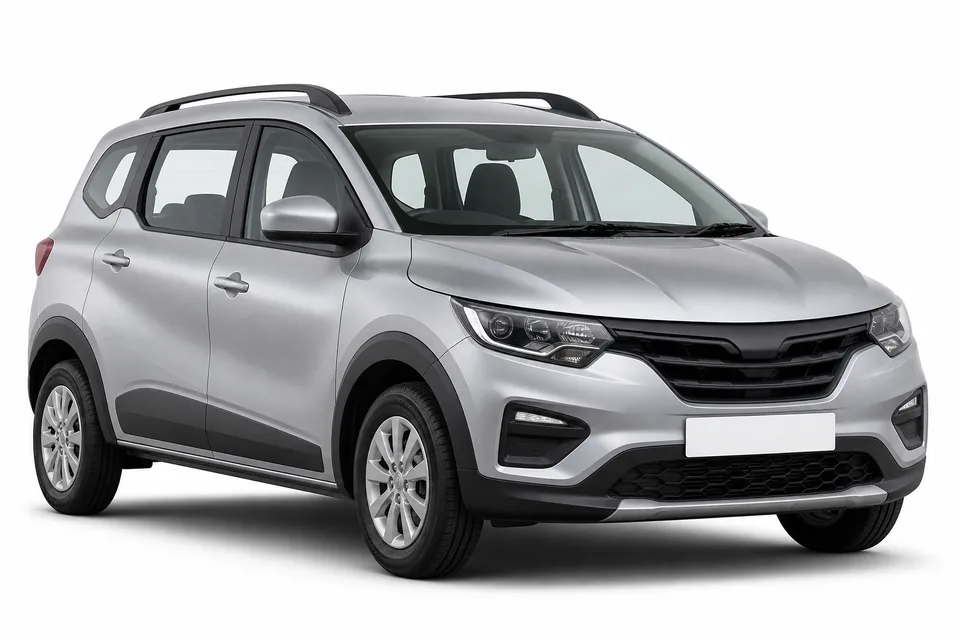
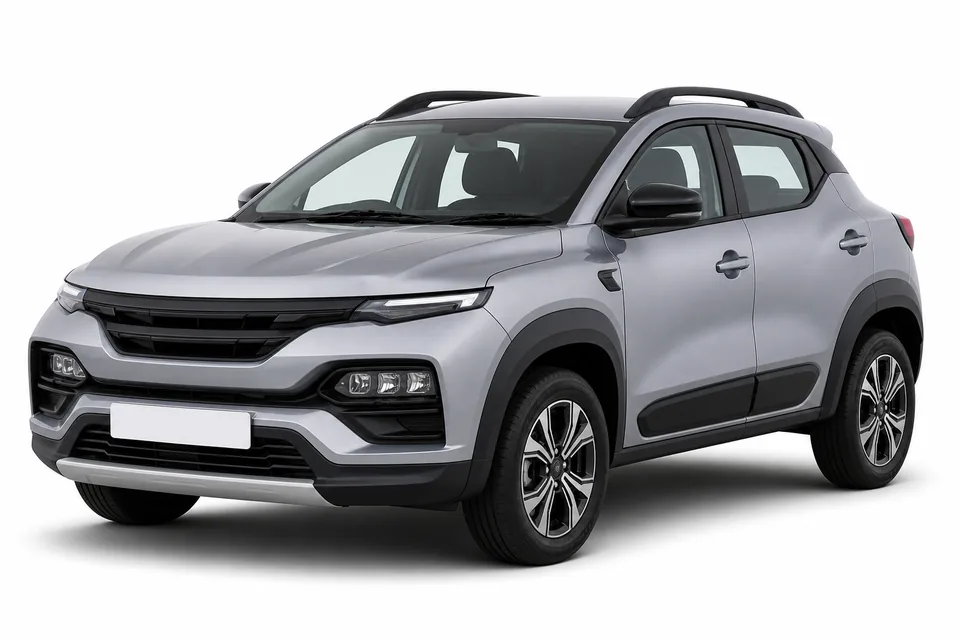
Useful to know: the Kwid was the first car built on the Renault-Nissan CMF-A platform, while the Triber and Kiger use the stretched CMF-A+ — which makes them relatives rather than twins. That distinction is worth saying out loud, because the three cars sit next to each other on a dealer floor and look like they ought to interchange. The engines are not even quoted the same: local reviews put the Kwid’s 1.0 SCe below the naturally aspirated unit in the Triber and Kiger, so we do not treat them as one part family without checking.
What we check on spares
- •The generation code — the Kwid parts list splits on it
- •Which engine you have; this one was sold with 1.0 SCe naturally aspirated 3-cylinder petrol
- •The engine code off the plate, or the VIN if you cannot find it
- •Where the car sits either side of its facelift
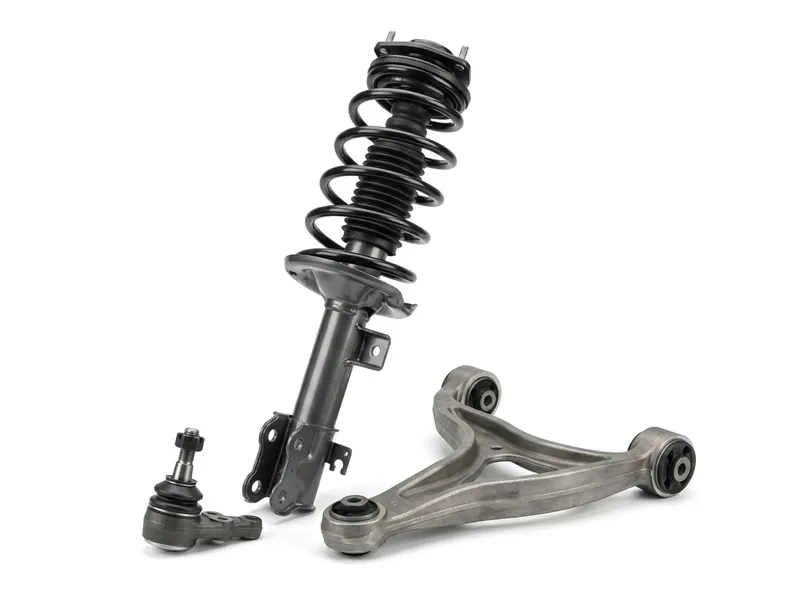
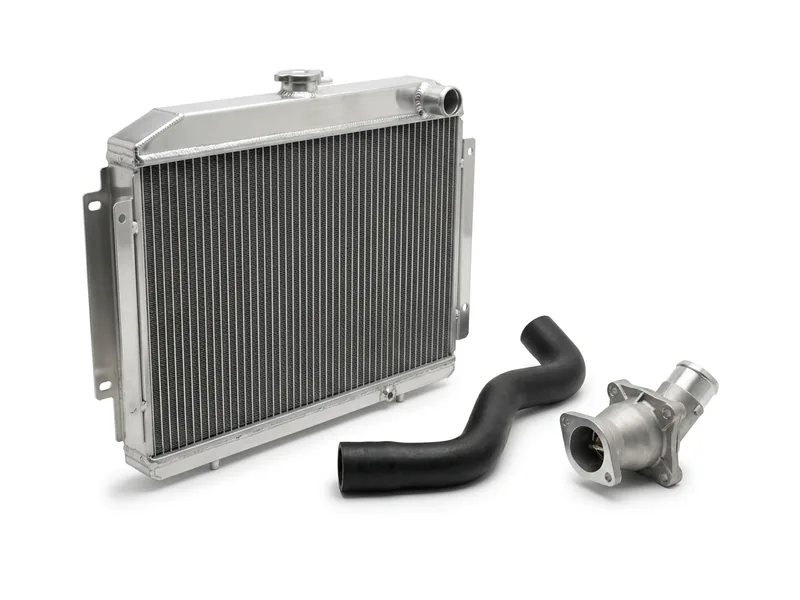
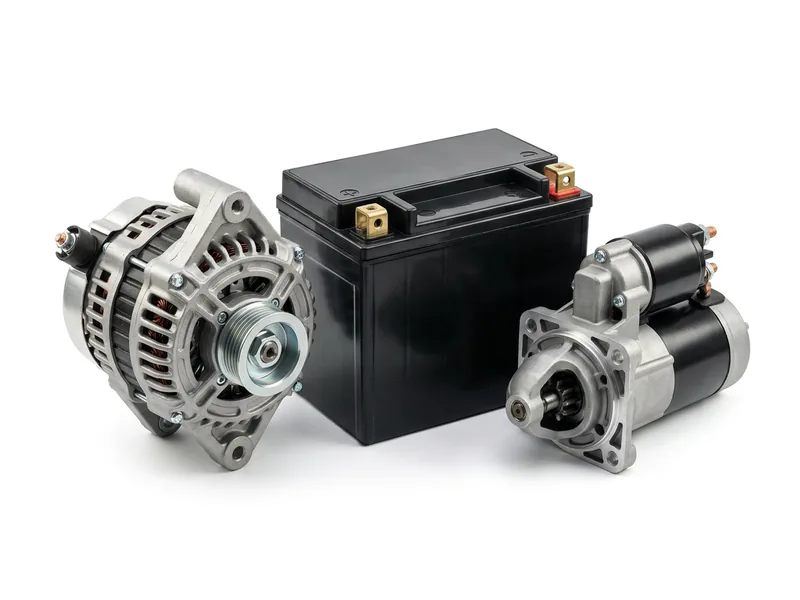
Locally, the Kwid is mostly a high-mileage city car bought at the very bottom of the new-car market, so it comes to us for wear and light damage rather than for anything exotic. It is also a car that gets repaired rather than written off, which is why the demand skews so hard towards lamps, panels, suspension and the cheap electrical items — the things that stop a roadworthy rather than the things that stop the engine.
That is the wear pattern we source against, and it is why we ask what the car does rather than only what it is.
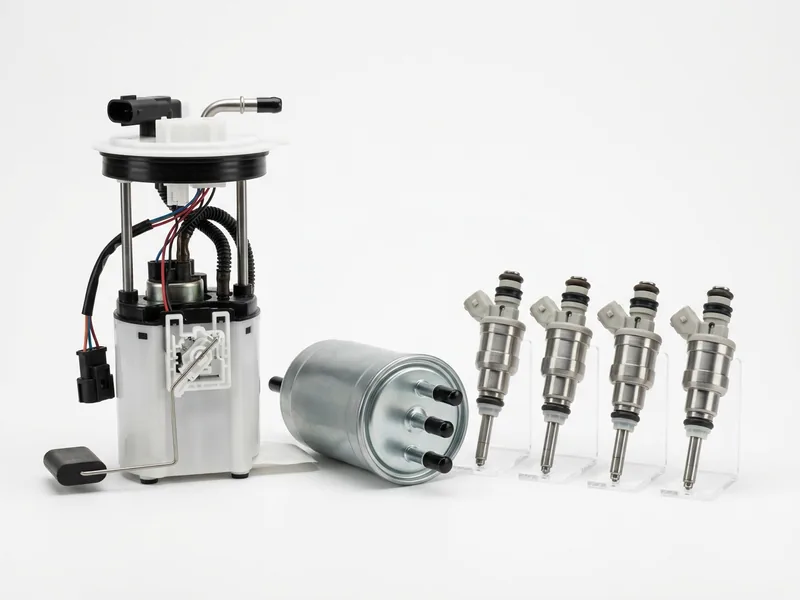
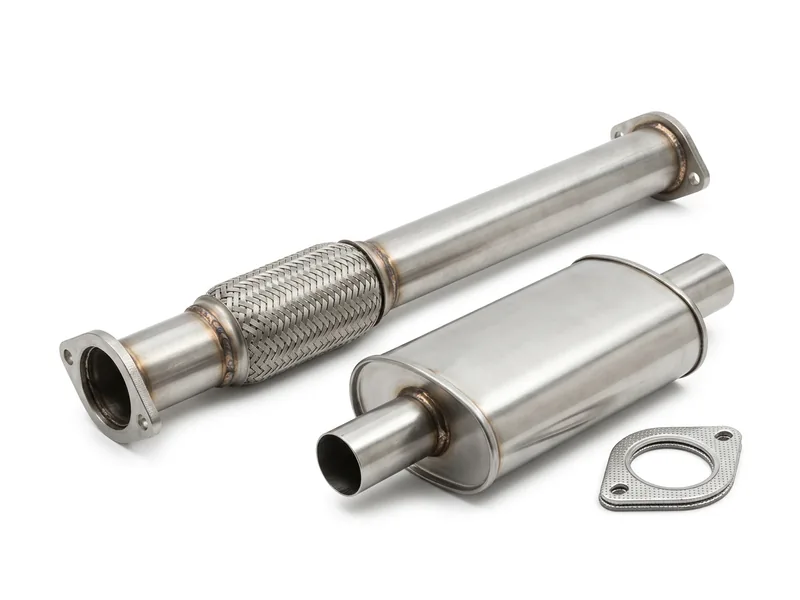
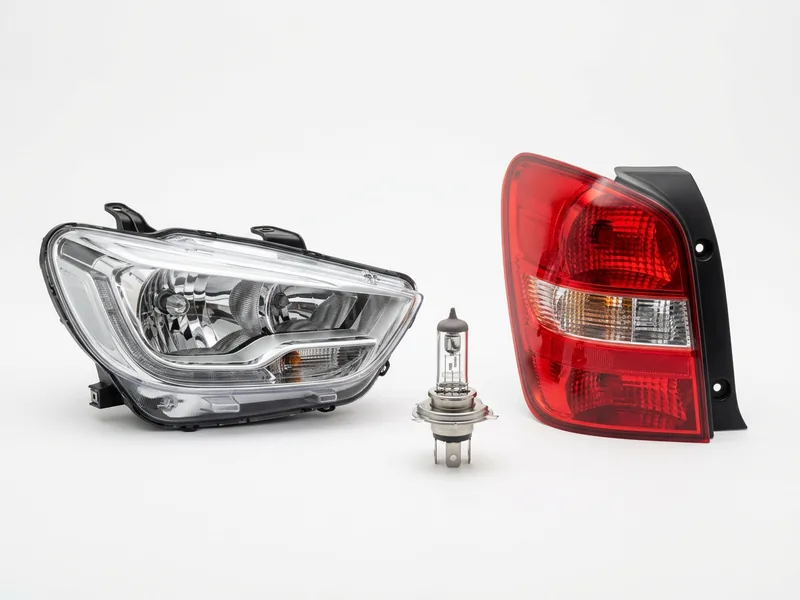
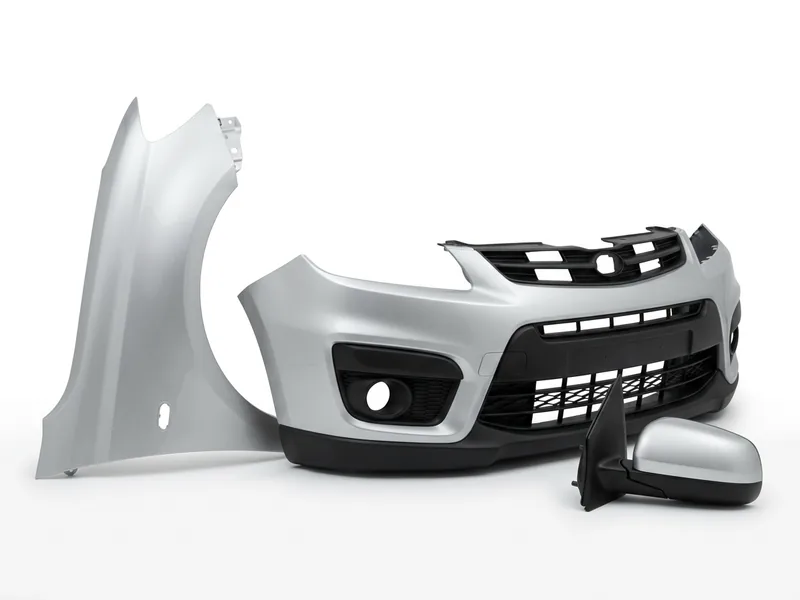
If you are not certain which Kwid you have, send the VIN off your licence disc and we will work it out.