
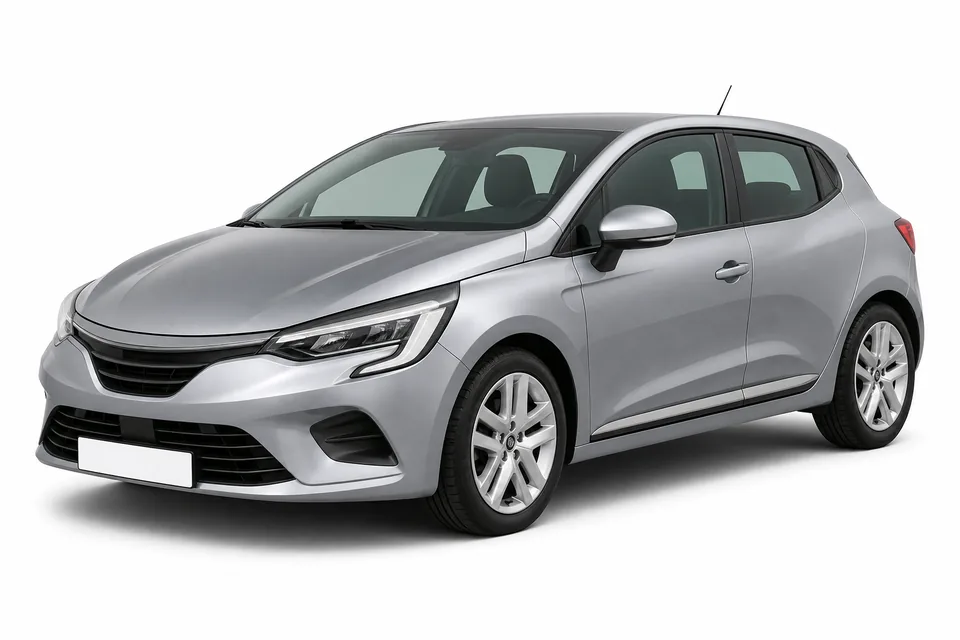
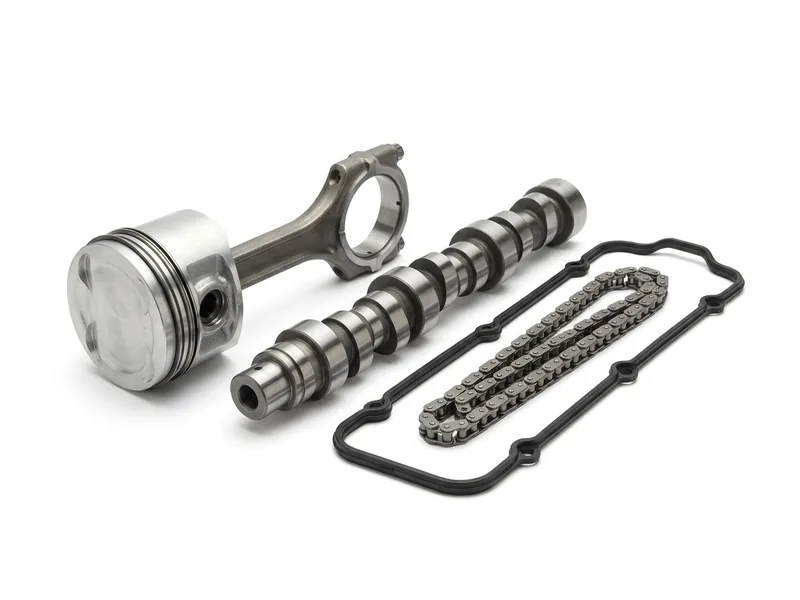
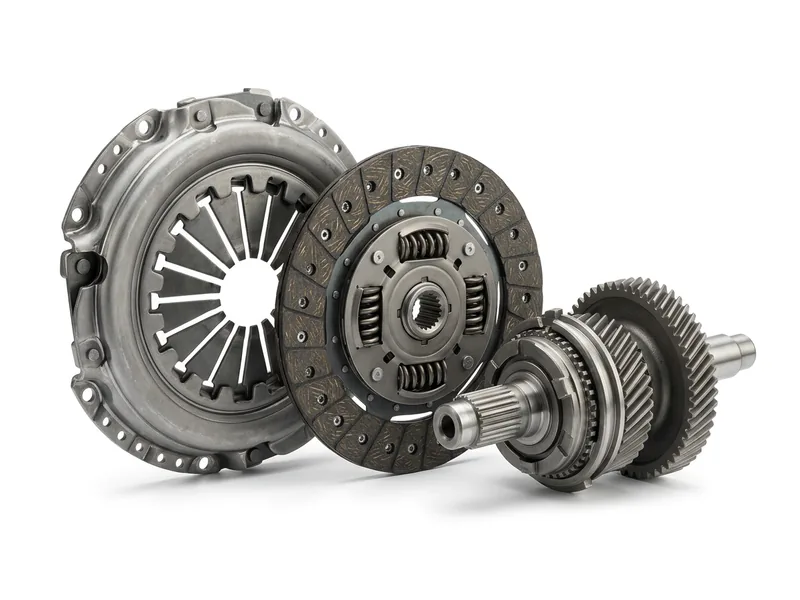
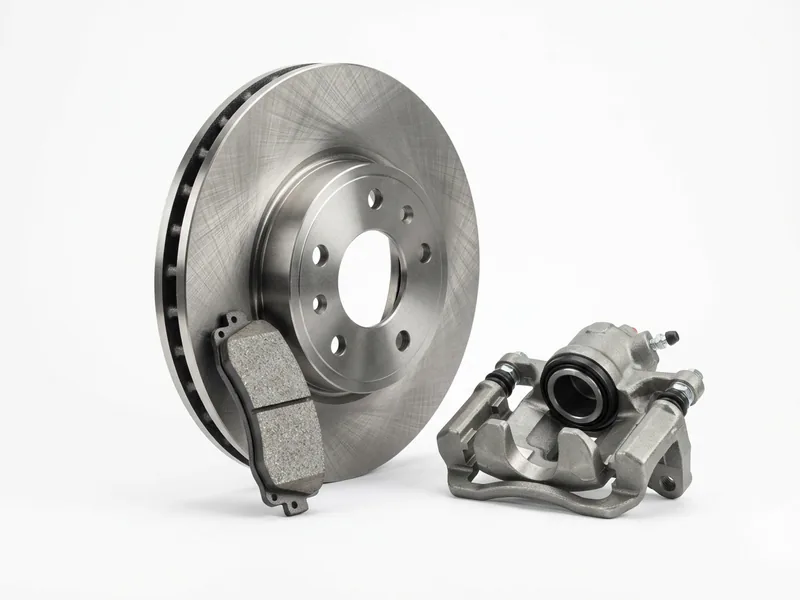
Renault Duster Spares
On the Duster, the country of build matters as much as the model year. First-generation cars arrived in October 2013 built in India and moved to Romanian production when the revamped version came in, which is why two Dusters of similar age can differ. The HM-series that followed in October 2018 was Romanian throughout; its 1.6 petrol was dropped at the November 2021 facelift, leaving the 1.5 dCi to see that generation out. Two newer Dusters have arrived since and both are petrol — so if yours is a diesel, it is one of the earlier cars.
Local engines: 1.6 16V naturally aspirated 4-cylinder and 1.5 dCi turbodiesel (K9K).
Renault Duster engines
Petrol engines
- 1.6 16V naturally aspirated 4-cylinder
Diesel engines
- 1.5 dCi turbodiesel (K9K)
How we pin spares to your particular Duster
What shifts across the years
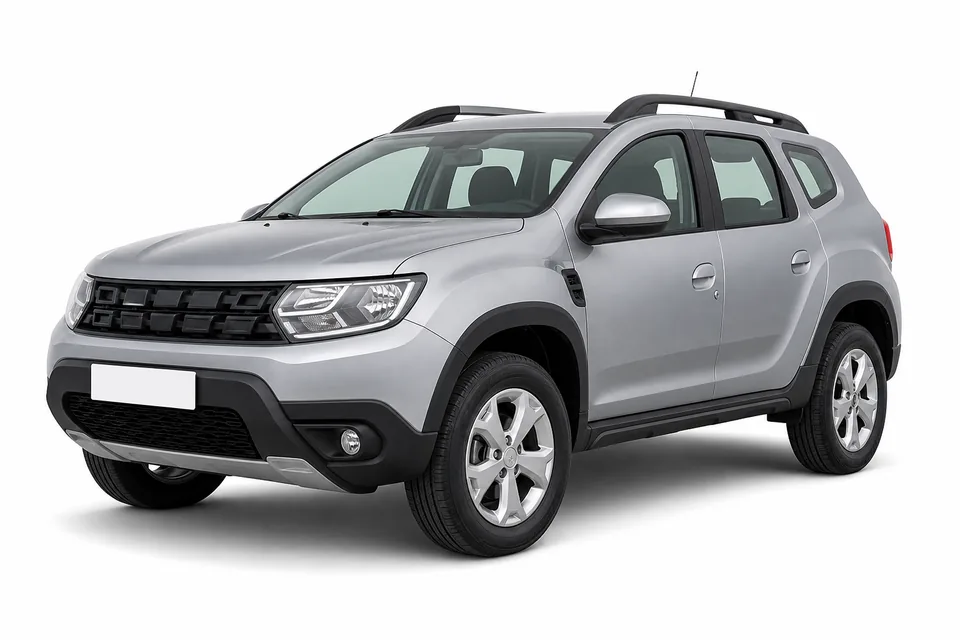
Owners are often caught out by how much rides on the generation code, and the Duster ran four different vehicles wearing one badge, the 2013 to 2018 original, the HM-series of October 2018 to 2025, a Romanian-built car from March 2025 and an Indian-built replacement from August 2026 here.
Start by establishing which Duster you actually have
Start by establishing which Duster you actually have, because the badge now covers four different vehicles here and only two of them have a used-parts market. The 2013 to 2018 car and the HM-series that ran from October 2018 to 2025 are the ones we source for. A Romanian-built Duster arrived in March 2025 and an Indian-built one replaced it in August 2026; both are petrol, and cars.co.za is explicit that the March 2025 car dropped the 1.5 dCi altogether.
If your Duster is a diesel it is one of the older two
If your Duster is a diesel it is one of the older two, and that single fact settles most of the rest. Within the first generation, two cars of the same age are not necessarily the same car. cars.co.za says Dusters sold here were built in India and that production shifted to Romania when the revamped version arrived — so the split sits at the facelift rather than at a tidy year boundary, and if the exact changeover matters to your part we would rather check the individual car than quote you a date.
The same guide notes the earlier Indian-built cars showed more rust than the Romanian ones, so it is worth checking the tailgate hinges, A-pillars, rain gutters and door sills before spending money on anything that bolts to them. One more that catches people: the 1.6 petrol was not the same state of tune across the two generations, so “a 1.6 Duster engine” is not one item. The same guides list the rest of what to look for, and it is a useful list because almost every item is a part rather than a repair: a driver’s seat that goes loose at the height-adjustment mechanism, ignition coil failure on the petrol cars, and water finding its way into the rear footwells on early examples through a channel in the underbody.
On the second-generation diesels the guide reports turbo failures and clogged diesel particulate filters as far from uncommon, and a clip holding the hose from the intercooler to the throttle body that fails early. The drivetrain question is the last one and it is decisive: from March 2019 the four-wheel-drive Duster came with a six-speed manual and no automatic at all, so a 4WD car and an EDC car are mutually exclusive on this model.
Trim names moved twice
Trim names moved twice, from Expression, Dynamique and Prestige at the 2018 launch, to TechRoad replacing Dynamique on the front-wheel-drive cars in July 2019, to Zen and Intens at the November 2021 facelift, which is also when the petrol engine was dropped.
The Duster is a Renault-badged Dacia
Useful to know: the Duster is a Renault-badged Dacia, and cars.co.za records every South African HM-series car as coming out of Dacia’s Mioveni plant in Romania — useful to know when a listing is written to one name and the car wears the other, because a search for “Duster” and a search for “Dacia Duster” do not return the same results. The second-generation car also sits on a revised version of the same B0 platform the earlier one used, which is why some things carry across the generation break and a great many do not.
The practical version of that: do not assume, and do not let a seller assume either. Send us the VIN off the licence disc and the guessing stops. One piece of trade knowledge worth having before you shop for a 1.5 dCi: South African engine suppliers routinely list the K9K in two forms, a front-starter and a back-starter version, as separate items. That is how the local trade catalogues them rather than a factory designation, but it is a real distinction and it decides whether an engine will drop in — so it is worth asking which one a seller is holding before anything is paid for.
What we check on spares
- •The generation code — the Duster parts list splits on it
- •Which engine you have; this one was sold with 1.6 16V naturally aspirated 4-cylinder and 1.5 dCi turbodiesel (K9K)
- •The engine code off the plate, or the VIN if you cannot find it
- •Where the car sits either side of its facelift
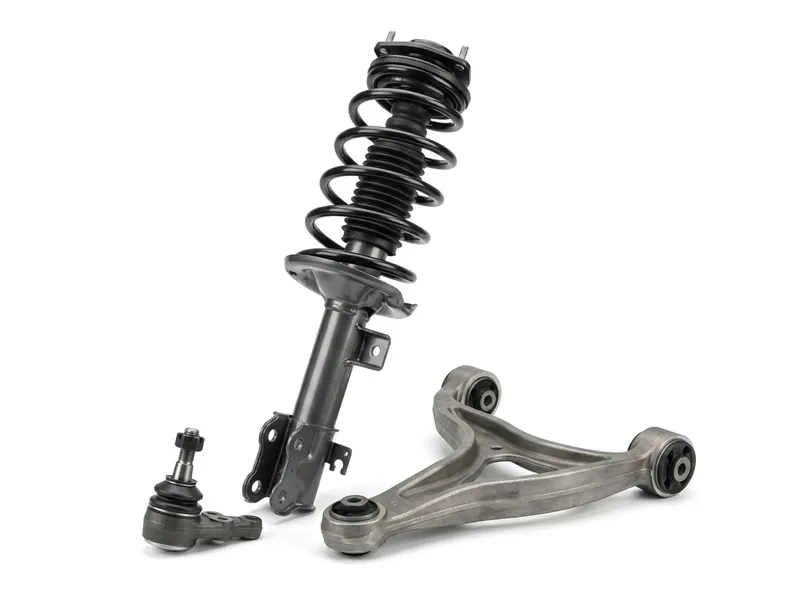
Locally, the Duster is mostly used more or less as intended — gravel, farm roads, towing and long trips — which is why underbody and suspension work dominates what we are asked to find for it. It is also the one Renault on this site where we routinely get asked to check the condition of a part against corrosion rather than against mileage, and that is a fair question to ask us.
That is the wear pattern we source against, and it is why we ask what the car does rather than only what it is.
What we source for the Duster
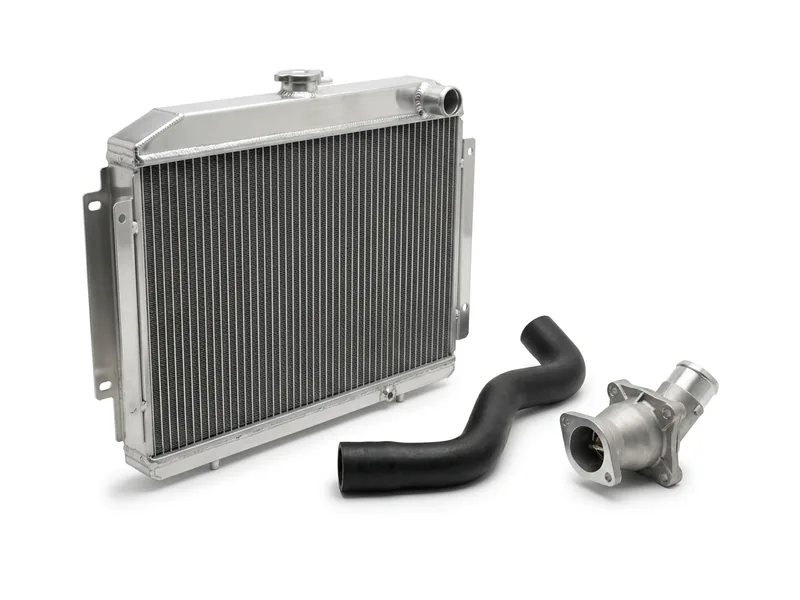
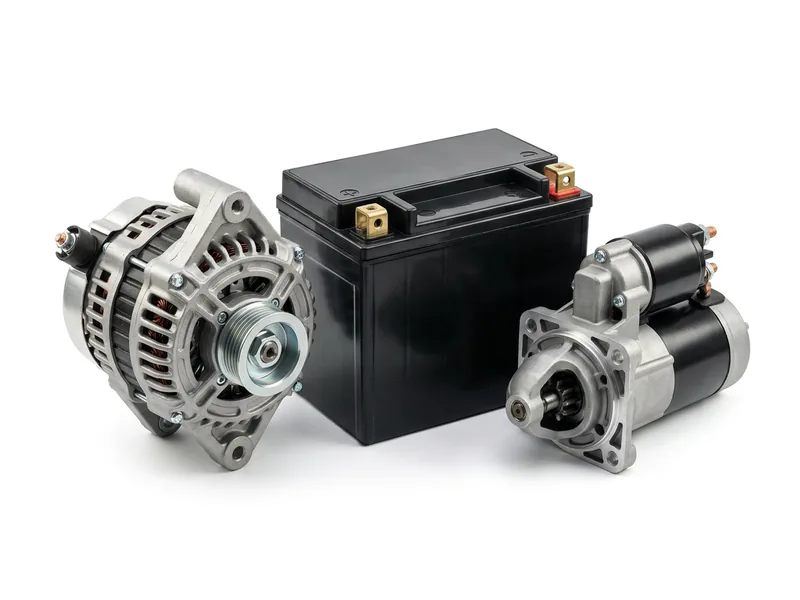
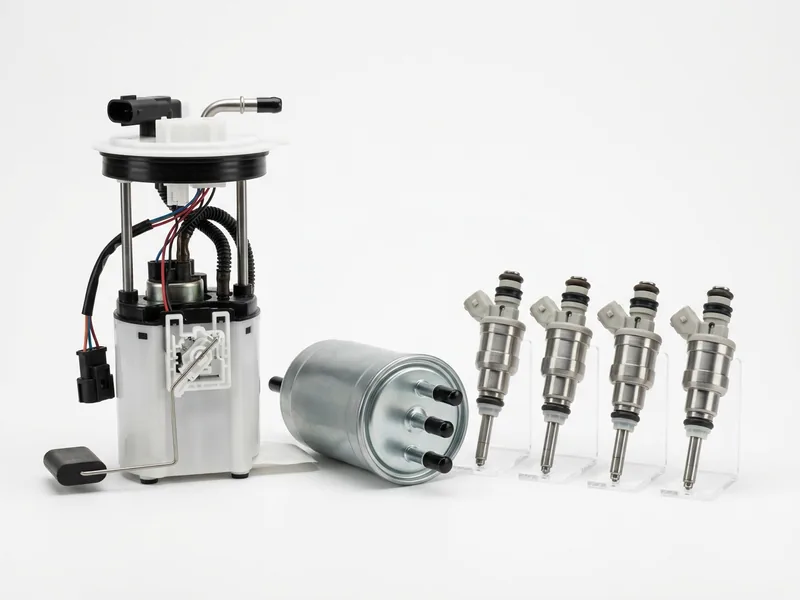
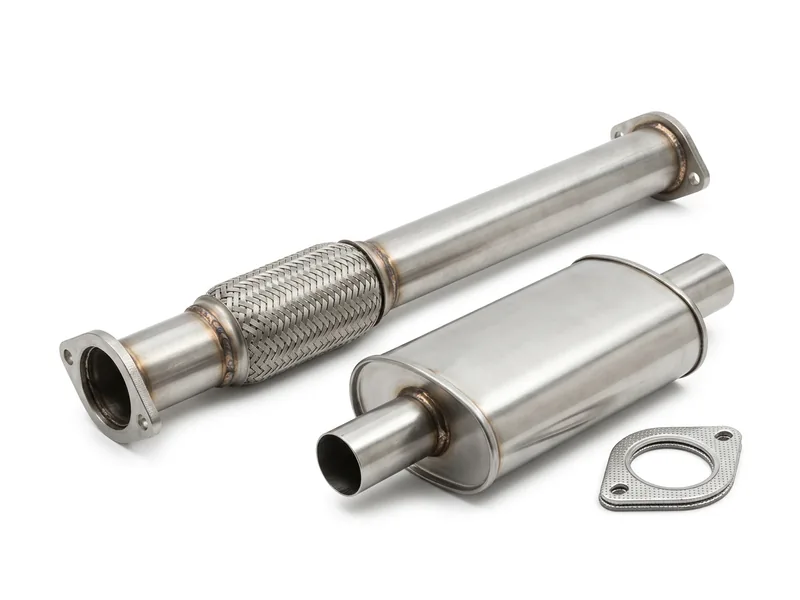
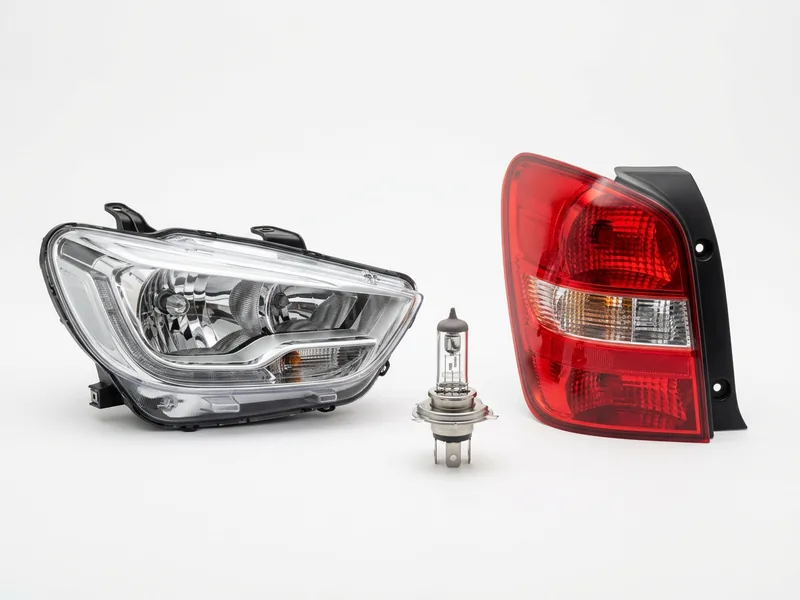
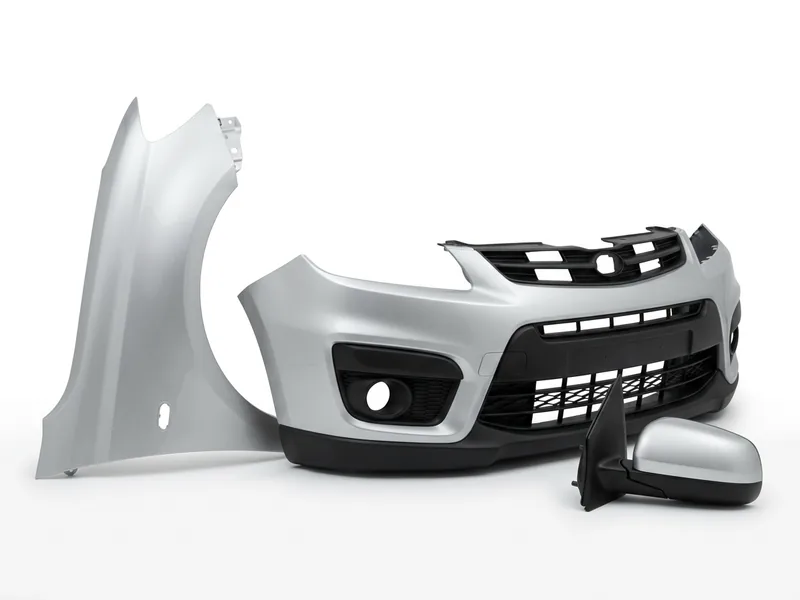
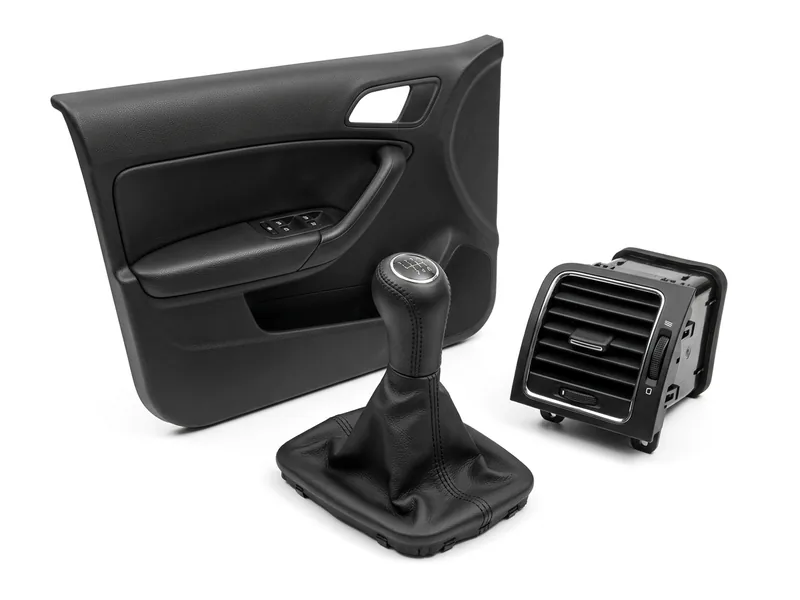
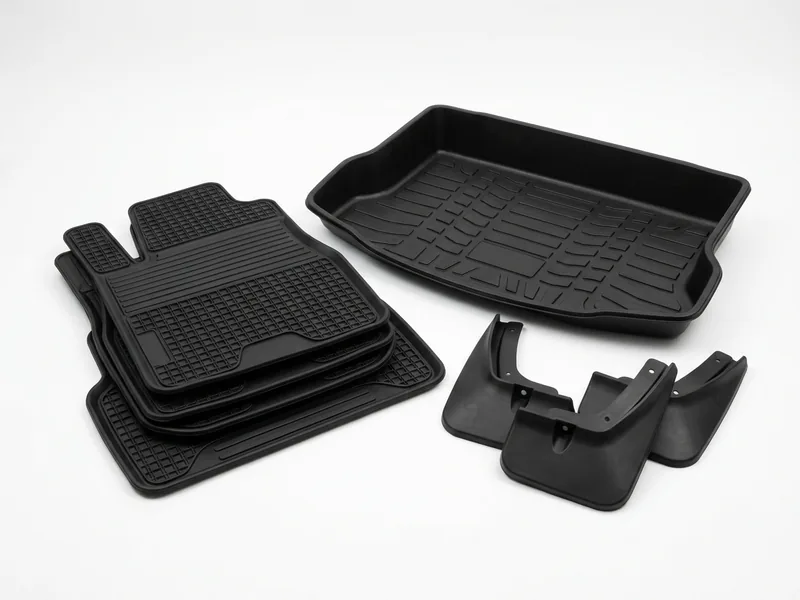
If you are not certain which Duster you have, send the VIN off your licence disc and we will work it out.